
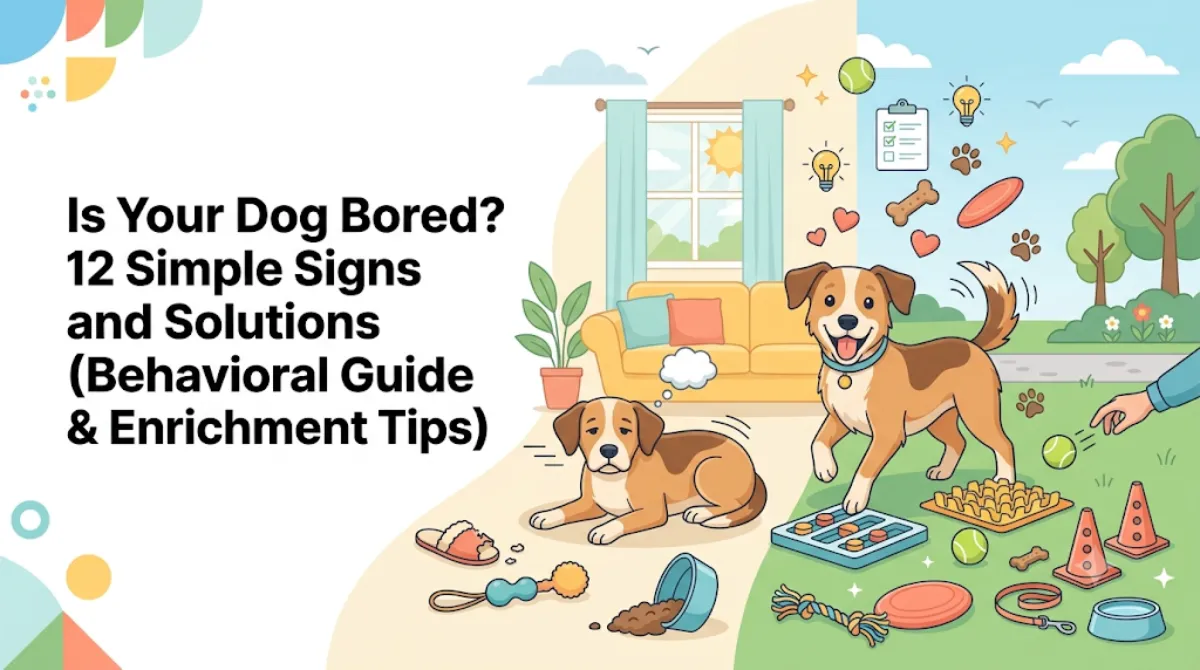
12 Signs of a Bored Dog and Solutions (Behavioral Guide & Enrichment Tips)
Noticing unusual household destruction or constant shadowing around your home often indicates that your canine companion lacks mental stimulation. Recognizing the true signs of a bored dog prevents minor restlessness from escalating into chronic behavioral challenges. Many pet parents struggle with how to tell if your dog is bored, frequently mistaking destructive chewing or excessive vocalization for simple disobedience rather than unmet cognitive needs. Unpacking these distinct warning signals allows handlers to intervene with targeted environmental enrichment. This comprehensive guide outlines twelve unmistakable physical indicators of under-stimulation and provides practical, actionable solutions to keep your dog mentally engaged, balanced, and happy.
Finding the right match requires balancing aesthetic appeal with practical functionality. By reviewing the linguistic roots and cultural significance behind these words, you can confidently assign a moniker that honors your dog’s unique personality.
The Neurology of Canine Under-Stimulation
Domestic canines possess working backgrounds and high cognitive capacity that require regular problem-solving challenges to maintain emotional equilibrium. When a dog spends hours resting in an unchanging environment without interactive engagement, their nervous system builds up pent-up adrenaline and mental frustration. Understanding this neurological dynamic helps pet parents realize that physical exercise alone cannot replace cognitive enrichment.
Why Mental Fatigue Matters as Much as Physical Exhaustion
While a long game of fetch tires out a dog’s muscles, an active brain requires focused mental tasks to achieve genuine relaxation. High-drive working breeds and intelligent companions can easily run for miles yet remain mentally restless if their brains are not challenged through scent work, puzzle-solving, or obedience training. Structured cognitive challenges regulate heart rates and promote calm neurochemistry, reducing baseline anxiety and preventing undesirable habits from forming.
12 Unmistakable Behavioral Indicators of Under-Stimulation
Recognizing the subtle shifts in your dog’s daily habits helps you identify boredom before it transforms into destructive household chaos. Here are twelve common boreded dog behaviors that indicate your dog requires greater mental enrichment:
- Destructive Chewing on Household Items: Chewing furniture legs, shoes, or drywall provides a physical release for pent-up frustration.
- Excessive Self-Licking and Grooming: Licking paws or flanks repetitively serves as a self-soothing mechanism triggered by psychological boredom.
- Restless Pacing and Shadowing: Following you from room to room without resting indicates an inability to settle down independently.
- Chronic Attention-Seeking Vocalizations: Whining, barking, or nudging your hands constantly points toward a desperate need for interaction.
- Digging Up Yard Landscaping: Creating craters in flower beds channels natural foraging and excavation instincts due to a lack of alternative outlets.
- Compulsive Whirling or Tail Chasing: Spinning in circles or chasing limbs indicates high nervous energy looking for an immediate outlet.
- Exuberant Greeting Behaviors: Jumping aggressively or mouthing family members upon arrival home stems from unspent daily adrenaline.
- Stealing and Hoarding Items: Gathering laundry, socks, or pillows without destroying them allows bored dogs to initiate games of chase.
- Lethargy and Apathy: Lying listlessly or staring blankly into space can signify mental depression brought on by an under-stimulating environment.
- Trash Raiding and Counter Surfing: Exploring kitchen surfaces for food offers a high-reward foraging challenge for neglected minds.
- Pawing and Scratching at Doors: Scratching barriers signals a desire for environmental change or outdoor exploration.
- Inappropriate Elimination Habits: House-trained dogs may soil indoor spaces simply because their daily routine lacks structure and engagement.
Pet Owner Note: Keep a daily behavioral log for one week to track when your dog exhibits these restless habits, helping you identify specific times of day when additional stimulation is needed. When evaluating foundational care routines, review our guide on [how to choose the right puppy] for early development tips.
Implementing Effective Solutions for Dog Boredom
Addressing an under-stimulated companion requires swapping passive routines for active, purposeful engagement that taps into natural instincts, serving as powerful dog boredom busters.
Transforming Mealtime Into Foraging Adventures
Instead of feeding dry kibble from a sterile bowl, scatter meals across a grassy lawn, hide portions inside cardboard puzzle boxes, or pack them into textured silicone licking trays. This shift forces dogs to use their noses and problem-solving skills, turning routine feeding into a thirty-minute mental workout.
Introducing New Environmental Enrichment Activities
Rotate your dog’s toy collection weekly to maintain novelty and prevent habituation. Introduce interactive puzzle games, snuffle mats, or frozen food toys that challenge their cognitive abilities. For further behavioral strategies and positive reinforcement techniques, consult resources on [positive reinforcement dog training].
Practical Step: Dedicate ten minutes each morning to practicing a new trick or obedience skill, providing an intense burst of mental stimulation before you start your workday.
Breed-Specific Considerations and Age Variations
Different canine breeds possess unique psychological drives that dictate their precise stimulation thresholds. Herding breeds require active mental jobs, while scent hounds thrive on tracking games. Furthermore, senior dogs still experience cognitive decline and boredom, though their physical exercises must remain gentle and low-impact. For comprehensive health and wellness tracking across all life stages, review our guide on [puppy health and wellness].
Safety Reminder: Always supervise your dog when introducing new puzzle toys or homemade enrichment items to prevent choking or accidental ingestion hazards.
When Boredom Masks Underlying Medical or Behavioral Issues
Sometimes, persistent restlessness or excessive licking stems from underlying physical discomfort or clinical anxiety rather than simple under-stimulation. If environmental enrichment fails to resolve destructive habits, a professional veterinary evaluation is necessary to rule out joint pain, allergies, or neurological distress. For behavioral insights into complex stress responses, consult guidance on [understanding dog behavior].
Vet Check: Schedule a professional veterinary examination if your dog displays sudden lethargy, compulsive licking resulting in raw skin, or extreme personality shifts.
Frequently Asked Questions
- How much daily mental stimulation does an average dog need? Most dogs benefit greatly from fifteen to thirty minutes of dedicated mental enrichment, such as training sessions or puzzle games, combined with regular physical exercise.
- Can physical exercise completely cure a destructive chewing habit? Physical exercise helps burn energy, but destructive chewing often stems from mental boredom or teething, meaning cognitive puzzles and chew-appropriate items are also required.
- Are interactive puzzle toys safe to leave with a dog unattended? Most puzzle toys require supervision to ensure the dog interacts with the item correctly rather than chewing apart the plastic components.
- How do I keep my dog entertained while I am away at work? Provide long-lasting frozen food toys, leave a background radio playing, or hire a dog walker to break up long periods of daytime isolation.
- Do senior dogs still experience mental boredom? Yes, older dogs require mental stimulation tailored to their physical limitations, such as scent games and gentle nose work, to keep their minds sharp.
- What is the easiest way to start scent training at home? Hide high-value treats beneath upturned plastic cups on the floor and encourage your dog to sniff out and knock over the correct cup.