New Puppy Shopping List: Essential Supplies and What You Can Skip
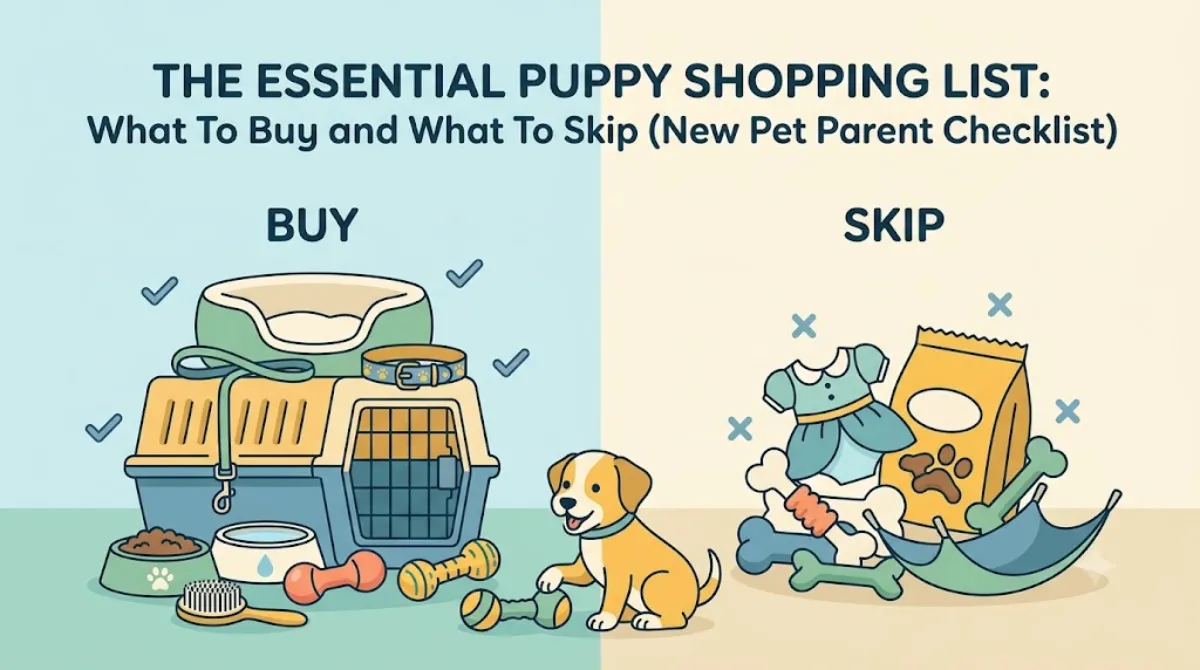
A new puppy shopping list does not need to fill an entire shopping cart. Before your puppy arrives, concentrate on the things that support feeding, identification, safe transport, sleep, toilet training and supervised time at home. Food, bowls, a secure collar and ID, suitable walking equipment, a comfortable resting place, safe toys and cleaning supplies cover much of what most puppies need initially.
The exact setup depends on your puppy’s size, coat, home and routine. VCA’s current puppy checklist likewise separates basic supplies from items that depend on the individual puppy, such as grooming tools, harnesses, toilet pads and travel equipment.
Printable New Puppy Checklist
Must Have Before Puppy Arrives
- Appropriate puppy food
- Food bowl
- Water bowl
- Collar
- ID tag
- Lead
- Harness if appropriate for planned walks
- Safe sleeping area
- Bed or washable bedding
- Crate or another suitable management setup if you plan to use one
- Waste bags
- Toilet-training plan
- Cleaning supplies for accidents
- Several safe toys
- Suitable chew items
- Puppy-proofed rooms
- Safe transport restraint or carrier for collection
- Veterinary paperwork
- Microchip details where already chipped
RSPCA’s guidance for bringing home a dog similarly identifies a secure collar and ID tag, lead, bowls, appropriate food, a bed, toys and a safe resting area among the basic supplies to prepare.
Collar
Buy a simple, lightweight collar that fits securely without restricting your puppy.
Puppies grow quickly, so check fit regularly rather than assuming the first collar will last for months. Measure the puppy rather than choosing solely from a breed label such as “Labrador puppy” or “small dog.”
RSPCA guidance recommends measuring the dog’s neck and ensuring the collar is comfortably fitted rather than excessively loose or tight.
Expensive leather, designer patterns and multiple matching collars can wait.
ID Tag
Identification belongs near the top of the shopping list.
Include the contact information required where you live and make sure any phone number can actually reach you. Local legal requirements for dog identification vary, so check the rules in your location.
An ID tag is useful even when the puppy is microchipped because someone who finds the puppy can read the visible contact information immediately.
VCA includes an ID tag with owner contact information in its new-puppy supply recommendations.
Harness
A harness can be useful for walks, training and managing a young dog outdoors, but buy according to your puppy’s actual measurements.
The harness should allow normal movement while remaining secure enough that the puppy cannot easily back out.
RSPCA advises measuring dogs correctly and following the manufacturer’s fitting instructions so a harness is both comfortable and secure.
Because puppies change size quickly, avoid buying several expensive harnesses months in advance.
Lead
A straightforward everyday lead is enough to start.
You do not need:
- several different lead lengths
- a designer matching set
- specialist running equipment
- multiple retractable leads
before you know what type of walking setup suits your puppy.
Reward-based walking and recall training matter more than buying a complicated lead system. RSPCA recommends reward-based training methods and gradual learning rather than tools based on pain or fear.
Food
Find out what the puppy is currently eating before collection.
A sudden diet switch on arrival adds another change during an already unfamiliar transition. If you intend to change food later, make that a separate planned decision rather than buying several different bags because the packaging looks appealing.
Pawnium’s puppy feeding chart covers meal frequency, growth stage and feeding considerations in more detail.
Do not stockpile months of food before you know:
- whether your puppy tolerates it
- how quickly the puppy grows
- whether your veterinarian recommends a change
- how much you realistically use
Bowls
You need somewhere safe and practical for food and water.
Choose bowls that:
- are easy to clean
- are stable enough for your puppy
- are appropriately sized
- can be washed regularly
An automatic feeder, smart water fountain and personalised raised feeding station are not standard puppy essentials.
Start simple. Upgrade only when an actual need appears.
Bed
Provide a comfortable, washable place to rest.
RSPCA recommends a quiet, draught-free resting area where a puppy can sleep undisturbed.
You do not need beds in every room before arrival.
A washable puppy bed, mat or suitable bedding may be more practical initially because toilet accidents, chewing and rapid growth can shorten the life of the first bed.
Pawnium’s puppy sleep schedule explains how rest fits into the puppy’s daily routine.
Crate
A crate can be a useful management and training tool, but buying one is only the beginning. The puppy needs to learn that it is a safe place.
RSPCA recommends making a crate comfortable with bedding and appropriate safe items, introducing it gradually and never using it as punishment.
Choose enough space for appropriate comfortable positioning, and consider how the crate will accommodate growth.
Do not assume the most expensive crate will make crate training easier.
The training process matters more than decorative features.
Pawnium’s crate training guide covers gradual introduction, appropriate use and the limitations of crates.
Playpen
A playpen can be useful when you need a larger controlled puppy area.
It can help create space for:
- supervised play
- resting
- short periods when constant hands-on supervision is difficult
- separating the puppy safely from household activity
However, not every owner needs both a crate and a playpen.
Your floor plan, puppy size and management strategy should determine whether it is worth buying. RSPCA’s crate-training guidance also recognises a puppy playpen as one possible controlled environment during gradual settling.
Toilet-Training Supplies
What you need depends on where you intend your puppy to toilet.
Basic supplies may include:
- waste bags
- easy access to the chosen toilet area
- small training rewards
- cleaning supplies
Puppy pads may be useful in some circumstances, but they are not automatically required for every puppy. VCA treats pads as situational—for example, when owners deliberately plan indoor pad training.
If your goal is outdoor toileting and you can provide appropriate frequent outdoor access, do not automatically buy huge boxes of pads.
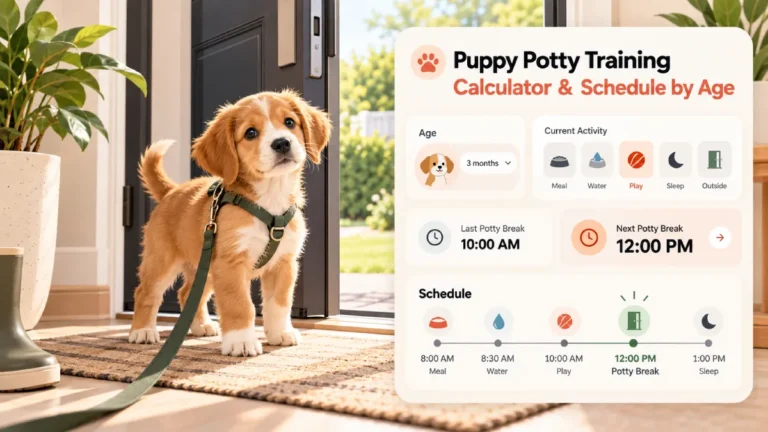
Use Pawnium’s puppy potty-training schedule for the actual toilet routine rather than relying on supplies alone.
Cleaning Products
Accidents are likely enough that suitable cleaning supplies should be available before arrival.
VCA specifically recommends preparing carpet cleaners or enzymatic cleaning products for puppy accidents.
Keep cleaning chemicals safely out of puppy reach.
A small initial cleaning setup is sufficient. You do not need an entire cupboard of specialised pet products.
Toys
Start with a small variety rather than twenty toys of the same type.
A useful starter collection might give the puppy opportunities to:
- chew
- carry
- interact with you
- engage with food or enrichment
- play appropriately
Inspect toys regularly and remove damaged items that could become unsafe.
ASPCA recommends giving dogs appropriate alternatives for chewing and selecting chew items suitable for the individual dog’s chewing style.
Once you know what your puppy actually enjoys, you can buy more selectively.
Chews
Puppies naturally use their mouths heavily, particularly as they develop and teethe.
Choose chew items based on:
- puppy size
- chewing behaviour
- product instructions
- ability to supervise
- whether pieces can break off or be swallowed
Do not assume that every product sold as a “dog chew” is suitable for every puppy. ASPCA notes that chew suitability differs with dog size and chewing intensity.
Pawnium’s puppy teething timeline can help you plan safe chewing outlets as the puppy’s teeth change.
Grooming Tools
Buy grooming equipment for the coat your puppy actually has.
Possible basics include:
- brush
- comb
- puppy-appropriate shampoo
- towel
VCA specifically notes that grooming equipment depends on the type of puppy and recommends asking a veterinary care team or groomer what is appropriate.
A short-coated puppy and a long, mat-prone coat do not need identical grooming kits.
Toothbrush
A pet-specific toothbrush and dog-safe toothpaste are useful items to introduce as part of long-term dental care.
Never use human toothpaste. AAHA recommends pet-specific toothpaste and soft-bristled pet toothbrushes for home dental care.
However, do not force painful brushing while a puppy is actively losing baby teeth. AAHA’s canine life-stage guidance notes that oral-care training can be introduced carefully and that puppies actively shedding deciduous teeth may experience discomfort.
The goal early on is creating a positive handling routine, not aggressively scrubbing sore gums.
Nail Tools
A suitable nail clipper or grinder can be worth having if you plan to perform nail care at home.
VCA recommends beginning positive exposure to nail care early so handling is less frightening later.
You do not need both multiple clippers and an expensive powered grinder on day one.
If you are uncomfortable trimming nails, your veterinary clinic or groomer can show you appropriate handling and technique.
Treat Pouch
A treat pouch is useful rather than essential.
VCA includes one in its puppy checklist because having rewards readily available can make walks and training sessions easier.
If you already have a washable pocket or small pouch that works, you do not need a dedicated branded product.
This is a good example of an item that improves convenience without being necessary for puppy welfare.
Car Restraint
Safe transport should be arranged before you collect the puppy.
AVMA recommends securing dogs in vehicles and advises choosing appropriately sized restraints. It specifically suggests looking for crash-tested harnesses; if using a carrier or crate, the dog should have enough room to stand, turn around and lie down comfortably.
Pawnium’s dog car safety checklist covers vehicle restraint choices and travel setup in more depth.
Do not allow the puppy to travel loose simply because the first journey home is short.
Travel Carrier Where Applicable
A separate carrier may be useful for:
- smaller puppies
- veterinary visits
- air travel
- public transportation
- longer journeys
If your puppy will primarily travel in an appropriately secured crate already owned, buying an additional carrier immediately may be unnecessary.
CDC recommends that a travel crate allow the dog to stand, sit, lie down and turn around and that it be secured so it cannot shift in the vehicle.
Puppy-Proofing Equipment
Some of the most important things to buy for a puppy may not look like pet products at all.
Depending on the home, useful items can include:
- baby gates
- secure storage containers
- cable management
- cupboard locks
- bin lids
- barriers for stairs or rooms
- garden-gate security
Blue Cross recommends removing or blocking access to hazards including electrical items, medicines, chemicals, food hazards and unsafe garden areas before a puppy comes home.
VCA also includes safety gates among useful puppy supplies.
Use Pawnium’s dog-proofing home guide for the detailed room-by-room check.
Veterinary Paperwork
Do not focus so heavily on shopping that you forget the documents.
Before or soon after collection, organise available information such as:
- vaccination history
- previous veterinary information
- parasite-treatment history
- current medication
- diet details
- breeder/rescue health paperwork where applicable
Your veterinarian can review what the puppy has already received and what still needs planning.
Preventive care for puppies includes individual vaccination, parasite and general-health decisions rather than one universal schedule for every puppy. AAHA’s canine guidance recommends basing care on the individual dog’s age, health, lifestyle and exposure risks.
Microchip Information
If the puppy is already microchipped, obtain:
- microchip number
- registry/company information
- instructions for changing ownership/contact details
If not, discuss identification with your veterinarian according to the rules and normal practices where you live.
Keeping microchip contact information current becomes especially important for travel or if a dog becomes separated from the owner. CDC’s current pet-travel guidance specifically recommends microchipping pets and maintaining current owner information.
Optional Items
Items that may be useful but are not automatic requirements include:
- playpen
- treat pouch
- travel carrier
- food-storage container
- second dog bed
- puppy camera
- feeding mat
- raincoat
- cooling equipment
- travel bowl
- grooming wipes
- enrichment mat
Buy these when your home, climate or puppy gives you a reason.
Things Owners Often Buy Unnecessarily
A good new puppy shopping list is partly about deciding what not to buy.
Many households can initially skip:
Huge Toy Collections
Buy a few different types and learn what your puppy likes.
Several Expensive Beds
One practical sleep setup is enough to begin.
Months of Growing-Puppy Equipment
Collars and harnesses can be outgrown.
Large Food Stockpiles
The puppy’s diet or required quantity may change.
Multiple Grooming Gadgets
Start with tools appropriate to the coat.
Premium Designer Bowls
A clean, stable, correctly sized bowl can perform the same basic function.
Indoor Toilet Pads Automatically
Buy them when they are genuinely part of your toilet-training setup rather than assuming every puppy requires them.
Complicated Training Devices
Reward-based training does not require pain-based collars or similar aversive tools. RSPCA advises reward-based approaches and specifically warns against prong collars because of pain and welfare concerns.
Lots of Clothing
Some puppies may need weather protection because of coat, size, climate or health, but outfits are not a universal puppy requirement.
Buy according to an actual need.
Choosing the Correct Sizes
Do not shop only from projected adult size.
Your puppy needs equipment that fits now.
Check sizing for:
- collar
- harness
- crate
- bed
- carrier
- chews
- toys
Measure the puppy and follow the manufacturer’s instructions.
Puppies grow rapidly, and equipment that becomes too tight or loose should be replaced rather than stretched beyond a safe fit. RSPCA advises measuring dogs for collars and harnesses rather than relying on assumptions about size.
For crates, also think ahead about growth. A suitable divider can sometimes make a larger crate practical during different growth stages, depending on the product and training setup.
What to Buy Before the Puppy Arrives
Prioritise items that solve an immediate need during the first 24 hours:
- known food
- bowls
- collar
- ID
- leash
- safe walking/transport setup
- bed or bedding
- crate/pen if part of your plan
- several toys
- appropriate chew
- waste bags
- cleaning products
- home safety barriers
- veterinary records
These are the foundations of a practical puppy starter checklist.
There is little benefit in having an automatic feeder, six outfits and fifteen toys if you still have no secure way to transport the puppy home.
What Can Wait Until You Know Your Puppy
Delay items where the correct choice depends on preference, growth or behaviour.
Common examples include:
- premium adult-size bed
- second harness
- specialised grooming equipment
- large toy collection
- additional crates
- advanced enrichment products
- travel-specific equipment you do not yet need
- weather clothing
- smart pet technology
Watching the puppy for a few weeks can prevent wasted money.
You may discover that the puppy dislikes the expensive bed but sleeps happily on a simple mat, ignores plush toys but loves food puzzles, or outgrows the first harness much earlier than expected.
A Budget Version of the New Puppy Shopping List
You can prepare properly without buying the premium version of every item.
Spend First on Safety
Prioritise:
- secure identification
- suitable restraint
- safe home barriers
- appropriate food
- veterinary care
Buy One Before Buying Several
Start with:
- one bed
- one everyday harness
- one collar
- one lead
- two bowls
- a few toy types
Add more only when you know they are useful.
Reuse Safe Household Items Where Appropriate
Depending on the item, you may already own suitable:
- towels
- washable blankets
- storage containers
- simple training pouch
- cleaning cloths
Do not improvise safety-critical equipment such as vehicle restraints just to save money.
Allow for Growth
Avoid paying premium prices for several sizes in advance.
The cheapest puppy setup is not the one with the lowest checkout total. It is the setup that buys the necessary things first and avoids purchasing equipment that is unused, unsuitable or immediately outgrown.
FAQs
What are the most important things to buy before bringing a puppy home?
Start with food, water and food bowls, identification, a collar, leash, appropriate restraint, a sleeping area, safe toys or chews, waste bags, cleaning supplies and whatever crate, pen or barriers your home-management plan requires. Veterinary and microchip information should also be organised.
Do I need both a puppy crate and a playpen?
Not necessarily. Some households find both useful because the crate provides a smaller resting area while a pen provides more controlled space. Other homes can manage safely with one of them. If using a crate, introduce it gradually and do not use it as punishment.
Should I buy puppy pads before my puppy comes home?
Only if they fit your toilet-training plan or you have a practical reason to use them. They are not mandatory for every puppy. For outdoor toilet training, regular supervised toilet trips are more central to the process.
How many toys does a new puppy need?
There is no useful universal number. Begin with a small selection offering different safe activities, then buy according to what the puppy actually enjoys and can use safely.
Should I buy an adult-size harness so my puppy grows into it?
No. Walking and restraint equipment needs to fit securely at the time it is being used. Measure the puppy and replace or adjust equipment as the dog grows.
What can I buy after my puppy arrives?
Second beds, extra toys, specialist grooming tools, additional harnesses, travel accessories, smart technology and weather clothing can usually wait until you know the puppy’s size, coat, behaviour and routine better.