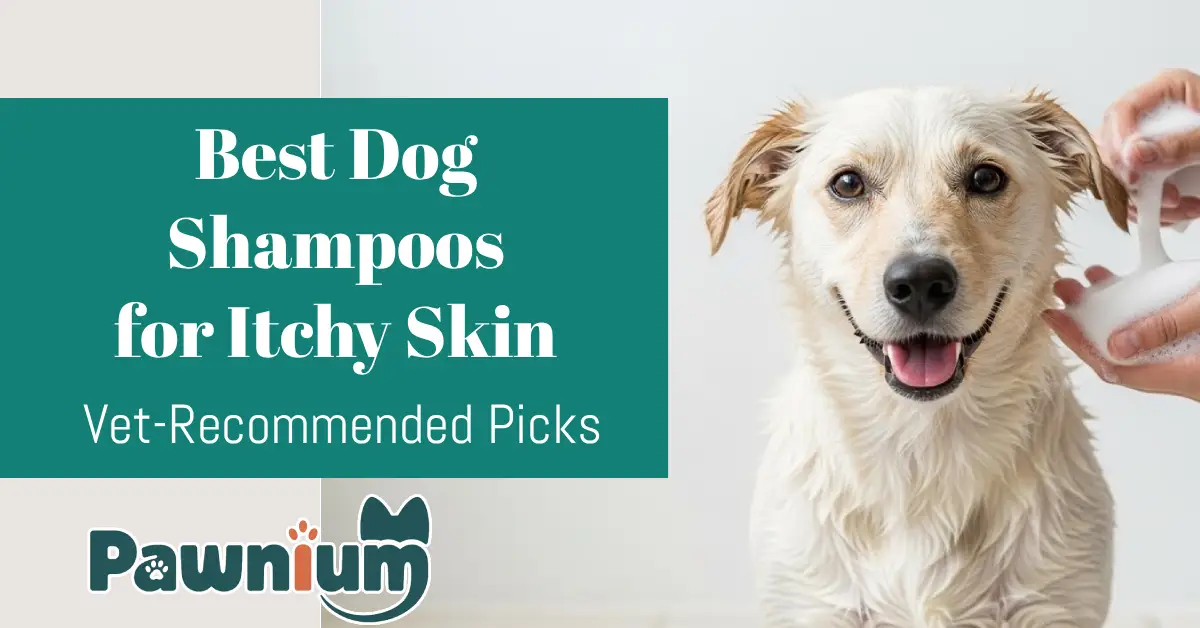
Best Dog Shampoos for Itchy Skin: Vet-Recommended Picks
As a pet parent, there are few things more distressing than watching your dog scratch, chew, and lick their skin nonstop—sometimes until it becomes red, inflamed, or raw. This constant discomfort doesn’t just affect your dog’s skin; it impacts their sleep, mood, appetite, and overall quality of life.
Pruritus, the medical term for itching, is one of the most common reasons dogs are taken to the veterinarian worldwide. Studies estimate that 20%–30% of all veterinary visits are related to skin and coat disorders. While an occasional scratch is completely normal, chronic or intense itching is a medical red flag that something deeper is wrong.
Dermatology & Care
The Ultimate Guide to the Best Dog Shampoos for Itchy Skin
Vet-Recommended Picks and Proven Solutions
To truly relieve an itchy dog, you need more than a “good-smelling” shampoo. You need a targeted, condition-specific topical therapy that supports the skin barrier, controls infection, and reduces inflammation—without making the problem worse.
This in-depth guide explains:
- Why dogs itch
- How medicated dog shampoos work
- Vet-recommended shampoo ingredients for different conditions
- Solutions for yeast, allergies, dandruff, hair loss, and fleas
- Proper bathing technique (often overlooked)
- When shampoo alone is not enough
- Safe options for puppies, seniors, and sensitive breeds
Medical Disclaimer
This content is for educational purposes only and does not replace professional veterinary diagnosis or treatment. Chronic, worsening, or infected skin conditions should always be evaluated by a licensed veterinarian.
1. Understanding the “Itch”: Why Shampoo Ingredients Matter
Before choosing any product, it’s essential to understand why certain shampoos work and others fail. A dog’s skin is fundamentally different from human skin. Canine skin is:
- Thinner
- Less protected
- More alkaline (pH ~6.2–7.4)
Human shampoos are formulated for acidic skin (pH ~5.5). Using them on dogs disrupts the skin’s natural defenses, often intensifying itching rather than relieving it.
The Skin Barrier Explained (Why It Fails)
Think of your dog’s skin as a brick wall: Skin cells = bricks and Lipids (ceramides, fatty acids) = mortar. When allergies, parasites, or infections strike, the “mortar” breaks down. This allows allergens like pollen, mold spores, dust mites, and bacteria to penetrate deeper layers of skin—triggering inflammation and itching.
The right shampoo doesn’t just clean. It:
- Restores lipids
- Normalizes skin pH
- Calms immune overreaction
- Reduces microbial overgrowth
2. The Gold Standard: Medicated Dog Shampoo for Itchy Skin
When itching becomes persistent, cosmetic shampoos are no longer enough. This is where medicated dog shampoos play a critical role.
Best Medicated Dog Shampoo for Skin Allergies
Many veterinarians favor advanced barrier-repair shampoos designed specifically for allergic dogs. Why these formulas work:
- They target inflammation at the cellular level
- They restore the skin barrier instead of stripping it
- They are safe for long-term use
Key ingredient to look for: Ophytrium. A purified botanical compound that repairs the skin barrier, balances healthy skin microbes, and reduces inflammatory “alarm signals.” These shampoos are typically soap-free, sulfate-free, paraben-free, and dye-free, making them ideal for Atopic Dermatitis.
3. Dog Shampoo for Allergies and Yeast Infections
If your dog’s itching comes with a greasy or waxy coat, red inflamed paws, brown discharge between toes, or a “corn chip” or musty odor, you are likely dealing with a yeast overgrowth (Malassezia).
How Antifungal Shampoos Work
Effective yeast-control shampoos combine antifungal agents (Ketoconazole or Miconazole) and antibacterial agents (Chlorhexidine). These ingredients break down yeast biofilms, kill fungi and bacteria on contact, and reduce secondary infections caused by scratching.
⚠️ Important: Yeast infections often recur. Shampoo must be used consistently and correctly, or symptoms will return.
4. Targeted Solutions for Secondary Symptoms
Dog Shampoo for Itchy Skin and Hair Loss
Hair loss (alopecia) from itching is usually due to follicular inflammation, secondary bacterial infection, or chronic self-trauma. Shampoos that support regrowth contain:
- Ceramides
- Essential fatty acids
- Phytosphingosine (a natural skin lipid)
Best Dog Shampoo for Itchy Skin and Dandruff
Canine dandruff (seborrhea) appears as dry white flakes or greasy yellow scales. Effective shampoos contain keratolytic agents: Salicylic Acid (loosens dead skin cells) and Sulfur (antibacterial, antifungal, anti-itch). Together, they remove flakes while addressing the root cause.
5. Best Dog Shampoo for Itchy Skin and Fleas
Flea Allergy Dermatitis (FAD) is the most common allergic skin condition in dogs. The best flea-related shampoos kill adult fleas quickly and soothe the allergic reaction. Look for formulas combining gentle insecticides (like pyrethrins) with anti-inflammatory ingredients like aloe vera or colloidal oatmeal.
⚠️ Note: Flea shampoos alone are not enough; they must be combined with monthly flea prevention and environmental control.
6. Natural and DIY Options: When They Help (and When They Don’t)
Homemade Dog Shampoo for Itchy Skin: DIY shampoos can help mild, dry, seasonal itching. A vet-approved recipe includes 1 cup finely ground colloidal oatmeal, 1 cup baking soda, 1 quart warm water, and an optional 1 tbsp aloe vera gel. This forms a protective moisturizing film over the skin. However, DIY shampoos do not treat infections, yeast, or severe allergies.
7. How to Identify the Cause of Your Dog’s Itch
| Symptom | Likely Cause | Shampoo Type |
|---|---|---|
| Red paws, ear infections | Environmental allergies | Barrier-repair |
| Greasy skin, odor | Yeast | Antifungal |
| White flakes | Dry dandruff | Keratolytic |
| Flea dirt | Fleas | Insecticidal + soothing |
8. The Science of Bathing: Technique Matters
The 10-Minute Contact Rule: Medicated shampoos must remain on the skin for 10 minutes. Rinsing too early results in treatment failure. Tip: Use a lick mat with peanut butter to keep your dog calm during the wait.
Water Temperature: Use lukewarm or cool water only. Hot water increases blood flow, releases histamines, and makes itching worse.
9. Preventing Rebound Dryness
Overuse of medicated shampoos can strip oils and trigger rebound itching. Use leave-on mousses or conditioners between baths to deliver active ingredients without excessive washing.
10. When Shampoo Is NOT Enough (Very Important)
Seek veterinary care immediately if you see: open sores or bleeding, thickened/darkened skin, severe ear infections, sudden hair loss with lethargy, or puppies under 12 weeks with severe itching.
11. Special Considerations: Puppies, Seniors & Sensitive Breeds
- Puppies: Immature skin barrier; use gentle, vet-approved formulas only.
- Senior Dogs: Thinner skin and higher risk of dryness.
- Sensitive Breeds: Bulldogs, Retrievers, and Westies often need frequent barrier support and maintenance bathing.
12. FAQs: Expert Answers
Can I use dish soap? No. It strips essential skin oils and worsens itching.
How often should I bathe an itchy dog? During flare-ups: 2–3 times weekly for 2 weeks, then taper.
Why is my dog itchier after bathing? Usually due to shampoo residue or hot water.
Do medicated shampoos require prescriptions? Many are OTC, but stronger versions may be prescribed.
📝 Conclusion: Consistency Is the Cure
Managing an itchy dog requires patience, precision, and consistency. The right shampoo—used correctly—can dramatically reduce itching, infections, and reliance on oral medications.
The Itch-Free Summary
- ✔ Identify the cause
- ✔ Choose targeted ingredients
- ✔ Follow the 10-minute rule
- ✔ Use lukewarm water
- ✔ Monitor closely
If symptoms persist, partner with your veterinarian. Relief is possible. 🐾