
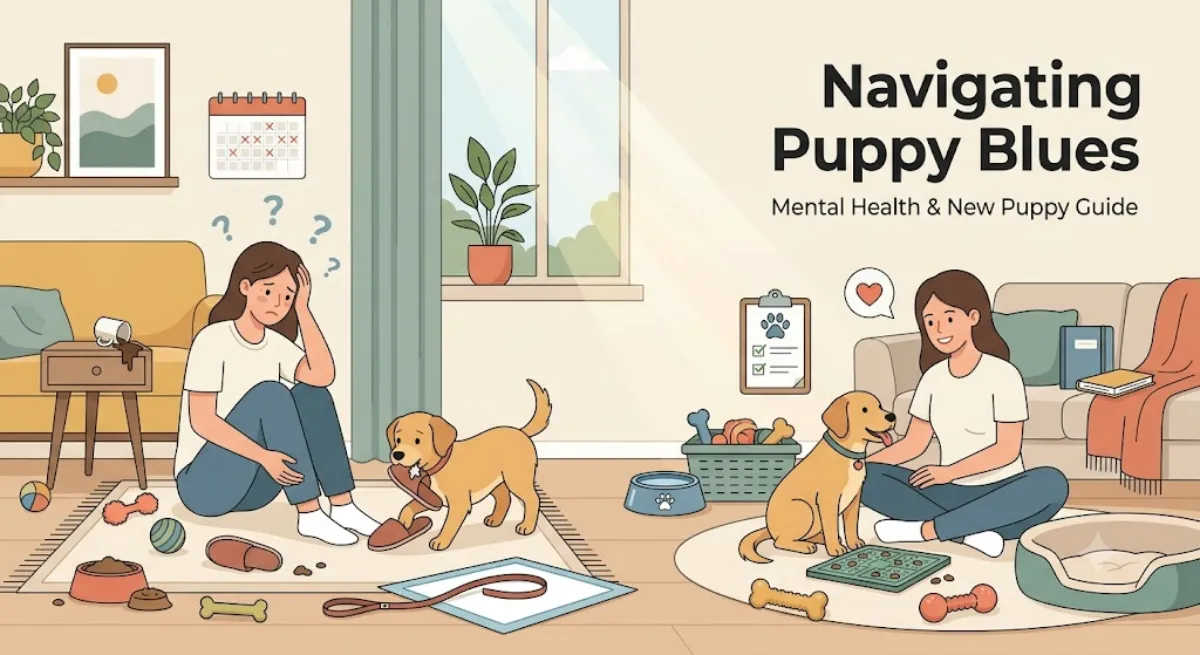
Coping With Puppy Blues: How to Cope with New Dog Owner Anxiety & Adjust to Life with Your Pup (Canine Care & Mental Health Guide)
Bringing home a young canine companion often triggers an unexpected wave of emotional exhaustion and psychological distress that catches many handlers completely off guard. Experiencing severe new dog owner anxiety is far more common than public discussions suggest, transforming what should be pure joy into a daily test of emotional endurance. Coping with puppy blues requires understanding that feelings of overwhelm, regret, and fatigue are normal psychological responses to a massive lifestyle disruption. This comprehensive guide explores the root causes of canine care stress and provides actionable mental health strategies to help you adjust smoothly to life with your new pup.
Finding the right match requires balancing aesthetic appeal with practical functionality. By reviewing the linguistic roots and cultural significance behind these words, you can confidently assign a moniker that honors your dog’s unique personality.
The Psychological Shock of Canine Parenthood
Transitioning from independent adulthood to round-the-clock responsibility for a dependent animal alters your daily existence overnight. This sudden loss of personal autonomy frequently shocks the nervous system, leading to acute emotional fatigue.
Unrealistic Expectations Versus Daily Reality
Many prospective owners envision idyllic afternoons spent playing fetch in sunlit parks, completely unprepared for the relentless demands of a baby animal. When faced with sharp puppy teeth, midnight house-training trips, and constant floor cleaning, idealism shatters against harsh reality. Acknowledging that this initial shock is temporary helps reframe frustration into manageable adaptation. For foundational preparation insights, review our guide on [how to choose the right puppy].
The Impact of Severe Sleep Deprivation on Emotional Resilience
Broken sleep cycles caused by whining puppies disrupt rapid eye movement stages, impairing cognitive function and emotional regulation. When human brains operate under chronic sleep deprivation, minor challenges—like a puddle on the rug or a chewed shoe—feel like catastrophic failures. Restoring emotional stability begins by prioritizing rest and sharing nighttime duty whenever possible.
Pet Owner Note: Coordinate sleep shifts with a household partner so each person secures at least one four-hour block of uninterrupted rest every single night.
Identifying the Hidden Triggers of Puppy Ownership Stress
Pinpointing the exact catalysts of your daily friction points makes dealing with puppy blues much more systematic and achievable. Unpacking these specific stressors prevents emotional exhaustion from clouding your training judgment.
Managing Crate Training Stress and Nighttime Whining
Hearing a young dog cry persistently inside a confinement crate during quiet hours tests even the most patient handler’s resolve. The psychological pressure of ignoring distressed vocalizations while trying to sleep creates intense feelings of guilt and helplessness. Establishing gradual desensitization protocols helps puppies learn that crates represent safe dens rather than punishment zones.
House-Training Frustrations and Constant Indoor Vigilance
Constantly monitoring an unpredictable puppy indoors creates hyper-vigilance, preventing handlers from relaxing in their own homes. Constantly watching for sniffing circles, pacing, or sudden posture shifts drains mental energy over weeks of repetitive accidents. Maintaining a strict outdoor schedule minimizes indoor surprises and reduces constant supervision fatigue. For ongoing physiological milestones, review our guide on [puppy health and wellness].
Practical Strategies for Adjusting to a New Puppy
Overcoming emotional overwhelm requires implementing structured systems that restore personal predictability and foster clear communication with your developing pet.
Establishing Predictable Daily Routines for Mutual Stability
Dogs thrive on predictable schedules, and implementing consistent times for meals, outdoor elimination, structured play, and quiet rest benefits human mental health equally. When both owner and puppy understand what happens next in the daily schedule, chaotic improvisation fades away. A reliable routine creates natural downtime windows where handlers can step away to breathe.
Embracing Positive Reinforcement and Realistic Behavioral Milestones
Expecting a twelve-week-old puppy to possess reliable obedience is a recipe for chronic disappointment and self-blame. Shifting your mindset toward celebrating small victories—such as a single successful outdoor elimination or a moment of calm settling—reinforces progress. Utilizing reward-based training transforms frustrating learning moments into collaborative bonding experiences. When shaping positive behavioral habits, consult resources on [positive reinforcement dog training].
Practical Step: Write down three tiny daily goals—such as two successful outdoor trips and ten minutes of calm leash walking—to measure progress objectively rather than focusing on overwhelming long-term training demands.
Navigating the Critical Socialization Window Without Burning Out
Exposing a young puppy to novel sights, sounds, and surfaces before fourteen weeks of age is vital for lifelong behavioral stability, but the pressure to socialize perfectly can overwhelm handlers.
Pacing Environmental Exposure to Prevent Behavioral Overload: Trying to rush every possible sound, vehicle, and human into a puppy’s schedule in a single weekend leads to overtired exhaustion for both pet and owner. Pacing social exposures across quiet neighborhood walks, short car rides, and controlled household introductions prevents cortisol spikes. Quality over quantity ensures your puppy processes new stimuli calmly without inducing chronic anxiety.
Managing Public Interactions and Unsolicited Training Advice: Taking a cute puppy out in public invites constant interruptions from strangers offering conflicting opinions or unsolicited training tips, amplifying owner stress. Setting polite verbal boundaries, such as stating your puppy is currently in a training focus session, protects your peace during outings. Preserving your mental energy during public trips keeps socialization sessions relaxed and positive. To understand how environmental changes influence animal behavior, explore guidance in [understanding dog behavior].
Safety Reminder: Never force a fearful puppy to interact with unfamiliar people or loud environments before they demonstrate readiness, as flooding their nervous system can trigger lifelong reactivity.
Building a Supportive Care Network and Seeking Professional Guidance
Attempting to raise a young dog entirely in isolation increases the emotional burden of unexpected behavioral quirks or training hurdles. Surrounding yourself with knowledgeable allies makes the journey sustainable.
Tapping Into Pet Parent Support Communities
Connecting with experienced mentors, balanced trainers, or supportive online peer groups provides reassurance that your daily struggles are shared by countless other owners. Hearing realistic stories of puppy chaos normalizes your emotional response, dissolving the shame that often accompanies new pet parent stress. Shared humor and practical empathy transform isolated frustration into collective encouragement.
Recognizing When Veterinary or Behavioral Help Is Necessary
Persistent anxiety, unrelenting depressive symptoms, or unmanageable canine reactivity require professional evaluation rather than silent endurance. Consulting a certified veterinary behaviorist or a qualified animal trainer provides structured intervention for complex behavioral concerns. Prioritizing mental health support ensures you remain a balanced, confident leader for your dog.
Vet Check: Arrange a veterinary examination if your puppy displays sudden, uncharacteristic aggression, extreme lethargy, or persistent house-training regression that signals a potential medical issue.
Frequently Asked Questions
- How long do the puppy blues typically last for new owners? For most pet parents, acute feelings of overwhelm and anxiety peak during the first two to four weeks and gradually subside as the puppy matures and predictable routines solidify.
- Is it normal to feel regret after bringing a puppy home? Yes, experiencing transient moments of regret or questioning your decision is an extremely common psychological reaction to sudden lifestyle disruption and sleep deprivation.
- How can I handle puppy biting without losing my patience? When sharp puppy teeth make contact with human skin, immediately fold your arms, turn away in absolute silence for ten seconds, and reward calm behavior once excitement drops.
- Should I leave my puppy alone in a crate while I go to work? Puppies possess small bladders and require frequent elimination breaks, meaning they cannot be left crated for eight consecutive hours without appropriate midday care interventions.
- What should I do if my puppy refuses to sleep through the night? Ensure your puppy has exercised their brain and body before bedtime, take them out for a quiet elimination trip without playing, and keep their crate in a dark, secure environment.
- How do I prevent my puppy from crying every time I leave the room? Practice brief, positive departures by stepping out of sight for two seconds and returning before whimpering begins, gradually extending your absence over several weeks.
Conclusion
Adjusting to the dynamic demands of a young canine companion challenges even the most resourceful individuals, but these intense early hurdles are entirely temporary. Acknowledging your feelings and actively overcoming puppy blues allows you to navigate the developmental hurdles of puppyhood with grace and resilience. By establishing reliable routines, managing sleep needs, and celebrating small training milestones, you build a foundation for a lifelong, deeply rewarding bond that mitigates puppy ownership stress. Take the next practical step today by carving out twenty minutes of uninterrupted personal downtime while your puppy rests safely in their crate.