
Replacing Plastic Dog Toys with Alternatives: Safer Play & Durable Chew Options (Natural Rubber Dog Toys)
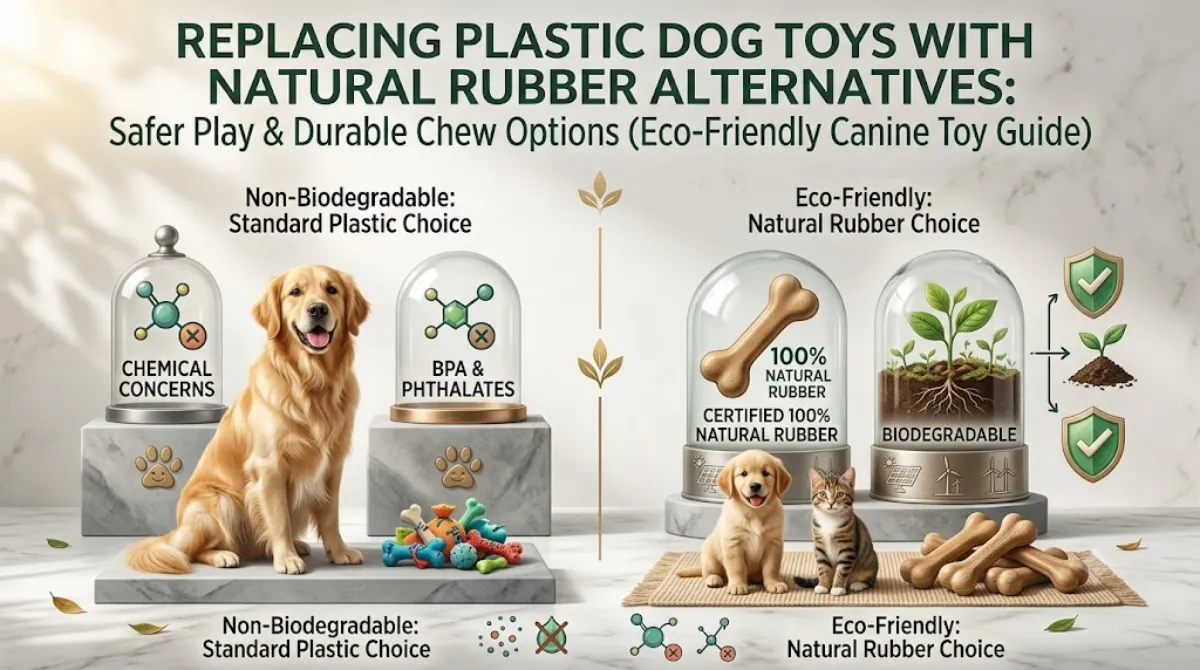
Selecting play equipment for your canine companion involves balancing durability against potential health hazards, particularly when traditional petroleum-based plastics degrade under aggressive chewing. Transitioning toward natural rubber dog toys provides a resilient, non-toxic solution that protects your dog from ingesting harmful synthetic fragments. Many conscientious owners seek out eco-friendly dog toys that withstand rigorous daily play without releasing microplastics into the environment. This comprehensive guide explores the chemical risks of cheap synthetic playthings, details the manufacturing science behind vulcanized plant materials, and highlights how switching to sustainable alternatives ensures safe, long-lasting entertainment.
Finding the right match requires balancing aesthetic appeal with practical functionality. By reviewing the linguistic roots and cultural significance behind these words, you can confidently assign a moniker that honors your dog’s unique personality.
The Hidden Risks of Cheap Synthetic Plastics in Pet Toys
Mass-market pet aisles frequently feature brightly colored vinyl, rigid PVC, and cheap plastic items that appeal to consumer budgets but carry significant hidden safety hazards. Understanding how these synthetic materials interact with canine teeth and digestive systems reveals why modern veterinarians advocate for safer manufacturing standards.
Chemical Plasticizers and Bisphenol Contamination
Inexpensive plastics often rely on chemical plasticizers like phthalates to maintain flexibility and soft textures during manufacturing. When a dog chews persistently on these soft plastic compounds, saliva and friction can leach these endocrine-disrupting chemicals directly into the animal’s gastrointestinal tract. Furthermore, rigid plastic bones may contain traces of bisphenol compounds that interfere with cellular metabolism over prolonged exposure periods.
Splintering Vinyl and Small-Part Ingestion Hazards
Rigid plastic and thin vinyl playthings fracture easily under powerful jaw pressure, breaking off razor-sharp shards that can lacerate the esophagus or puncture internal organ walls. Once a cheap plastic toy develops cracks or loses small protruding sections, it instantly transforms into an acute choking emergency. Replacing these fragile items with resilient, flexible materials eliminates the constant anxiety of sudden structural failure. When preparing your home for a new dog, reviewing foundational advice in our guide on [how to choose the right puppy] helps establish safe toy selection standards early.
What Makes 100% Natural Rubber Superior for Dogs
Sourced directly from the sap of rubber trees, pure botanical latex undergoes a specialized heating process known as vulcanization to achieve extraordinary tensile strength. This natural manufacturing method yields a material that bends, stretches, and rebounds without losing its structural integrity.
Vulcanization and Molecular Resilience
During vulcanization, raw rubber tree sap is combined with heat and sulfur to cross-link polymer chains, creating a dense, elastic matrix capable of absorbing intense bite force. Unlike brittle plastics that shatter under sudden stress, a vulcanized rubber chew compresses under a dog’s molar teeth and immediately springs back to its original shape. This unique shock-absorption protects canine dental enamel and reduces jaw fatigue during extended chewing sessions.
Biodegradability and Eco-Conscious Manufacturing
Because pure botanical rubber is derived from renewable tree harvests rather than petroleum refining, discarded items break down naturally over time without leaving permanent microplastic pollution in landfills. Choosing certified non-toxic dog toys supports sustainable agricultural practices and reduces your household’s overall carbon footprint. For ongoing developmental care, review our guide on [puppy health and wellness].
Safety Reminder: Always verify that a product label explicitly states “100% natural rubber” rather than synthetic blends, as blended elastomers may still contain petroleum additives.
Evaluating Durable Natural Rubber Chews for Power Chewers
Aggressive chewers like German Shepherds, Pit Bulls, and Labrador Retrievers can destroy standard play equipment in minutes, making heavy-duty material selection an absolute necessity. Identifying truly resilient products saves money and protects your dog’s digestive tract.
Puncture Resistance Versus Hard Plastic Brittleness
When a heavy-duty chewer attacks a dense rubber sphere or solid retrieval ring, the material indents slightly under pressure rather than cracking. This puncture-resistant quality prevents teeth from sinking deep into a core that could snap off in the mouth. High-density rubber options provide the exact durable natural rubber chews power chewers crave without the dangerous shards associated with nylon bones or hard plastics.
Sizing Considerations for Heavy-Duty Jaw Strengths
Selecting the correct dimension is just as important as material composition when outfitting a powerful chewer. A toy must be large enough that the dog cannot maneuver it to the back molars where maximum crushing leverage occurs, preventing accidental swallowing of undersized items. Always scale toy diameters according to your dog’s fully grown weight category.
Safe Puppy Teething and Soft Rubber Innovations
Young puppies experience intense gum inflammation as their sharp adult teeth erupt, driving an urgent need to gnaw on firm surfaces. Providing appropriate teething aids protects your personal belongings while safeguarding developing dental structures.
Relieving Sore Gums Without Damaging Deciduous Teeth
Puppy milk teeth are remarkably brittle and can easily fracture if forced against rigid nylon or hard wooden items. Softer, flexible natural rubber teething rings massage sore gums gently, providing soothing counter-pressure that satisfies their natural urge to chew. These pliable formulas yield under puppy jaw pressure while remaining tough enough to resist tearing. When introducing new items during training phases, consult resources on [positive reinforcement dog training].
Hollow Dispensing Toys for Mental Enrichment
Many innovative rubber chew designs feature hollow internal cavities that can be packed with food, peanut butter, or kibble. This transforms a simple chew toy into an interactive foraging puzzle that keeps young dogs mentally engaged for hours. The combination of chewing action and cognitive problem-solving releases calming endorphins, curbing destructive household behaviors.
Pet Owner Note: Pack hollow rubber chew toys with plain Greek yogurt and pumpkin puree before freezing them overnight to create a long-lasting, soothing treat for teething puppies.
Transitioning Your Dog Away From Toxic Playthings
Upgrading your pet’s toy box requires a systematic approach to eliminate hazardous items while introducing safer, high-quality alternatives that capture their interest.
Auditing Existing Toy Bins for Hazardous Items
Begin by emptying your dog’s toy collection onto the floor and inspecting every item for signs of excessive wear, missing squeakers, sharp plastic edges, or chemical odors. Discard any thin vinyl squeak toys, cracked hard plastic bones, and frayed synthetic ropes that pose ingestion risks. Retain only items that demonstrate sound structural integrity and non-toxic material certification.
Introducing New Textures Through Positive Reinforcement
Dogs accustomed to lightweight plastic balls may initially hesitate when presented with dense, heavier rubber alternatives. Introduce new items by coating them with a touch of bone broth or hiding treats inside their hollow chambers to spark immediate curiosity. Praise your dog enthusiastically the moment they engage with the new safe toy, building positive associations with the alternative texture. To understand how environmental changes influence animal behavior, explore guidance on [understanding dog behavior].
Maintenance, Cleaning, and Hygiene Protocols
Even the highest-quality natural rubber items accumulate saliva, dirt, and outdoor bacteria over weeks of active play, requiring routine cleaning to maintain household hygiene.
Washing Techniques for High-Use Rubber Items
Most solid rubber toys can be cleaned effortlessly by scrubbing them in warm water using mild, fragrance-free dish soap and a bottle brush to reach internal crevices. Many commercial-grade rubber chews are also top-rack dishwasher safe, offering a convenient sanitizing option. Rinse all soap residue thoroughly before returning the clean toy to your pet.
Inspecting for Micro-Cracks and Structural Fatigue
Establish a weekly habit of running your fingers across the surface of every rubber toy to check for micro-fissures, surface tackiness, or stretching. If a rubber toy begins showing deep tears or chunks missing from aggressive chewing, discard and replace it immediately to prevent accidental swallowing. Regular inspections ensure playtime remains entirely safe.
Vet Check: Schedule a professional veterinary examination if your dog displays sudden lethargy, vomiting, or loss of appetite, as swallowing hidden toy fragments requires prompt clinical evaluation.
Frequently Asked Questions
- Are natural rubber dog toys completely free of chemical odors? High-quality 100% natural rubber toys possess a mild, earthy rubber scent that fades quickly, whereas cheap synthetic plastics often emit strong chemical or petroleum odors.
- Can natural rubber toys withstand aggressive chewers indefinitely? While exceptionally durable, no dog toy is entirely indestructible; power chewers will eventually wear down even heavy-duty rubber over months of intensive use.
- How do I know if my dog’s rubber toy is too small? As a general safety rule, if a toy can fit entirely inside your dog’s mouth beyond the canine teeth, it is too small and poses a choking hazard.
- Are rubber toys safe to use in outdoor water play? Yes, natural rubber floats exceptionally well on water and resists degradation from pool chlorine or saltwater, making them ideal fetch toys for swimming dogs.
- What is the difference between natural rubber and synthetic rubber? Natural rubber is harvested sustainably from rubber tree sap and biodegrades naturally, whereas synthetic rubber is manufactured from petrochemical derivatives.
- How often should I wash my dog’s rubber chew toys? Washing rubber toys once a week in warm, soapy water prevents the buildup of bacterial biofilms and keeps your dog’s play environment sanitary.
Conclusion
Transitioning your household away from fragile synthetics toward sustainable alternatives represents a vital upgrade in daily pet safety. Sourcing natural rubber dog toys ensures your companion enjoys resilient, non-toxic entertainment that supports dental health and stands up to heavy-duty use. By embracing safe alternatives to plastic dog toys and discarding hazardous plastics, you protect your dog’s digestive system while reducing environmental waste. Take the next practical step today by auditing your dog’s current toy bin and replacing plastic pet toys with a certified natural rubber chew during their next play session.