The Essential Puppy Shopping List: What To Buy and What To Skip (New Pet Parent Checklist)
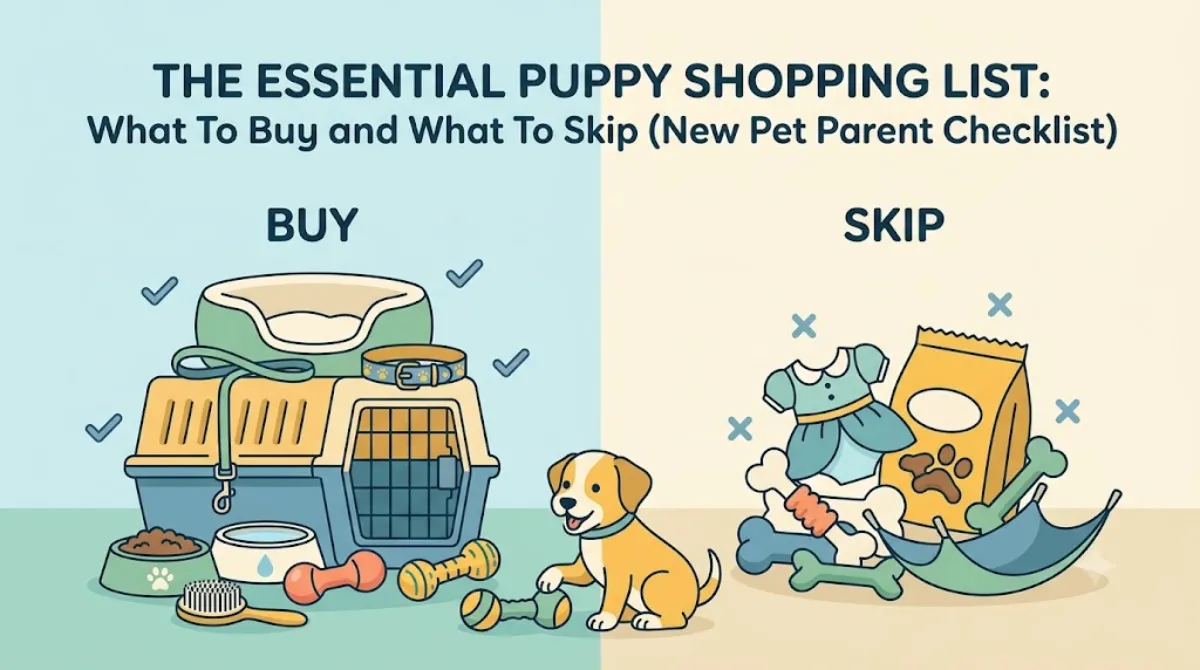
Preparing your home for a new canine arrival brings immense excitement, but walking down pet store aisles can quickly overwhelm first-time owners with an avalanche of commercial products. Compiling a well-researched essential puppy shopping list prevents impulse purchases and ensures you invest only in items that truly support your animal’s health and development. Reviewing a comprehensive puppy supply checklist helps distinguish vital safety equipment from clever marketing gimmicks designed to drain your budget. This guide breaks down exactly what to buy before bringing your puppy home and which popular items you can safely skip, giving you a clear roadmap for your early pet-parenting journey.
Finding the right match requires balancing aesthetic appeal with practical functionality. By reviewing the linguistic roots and cultural significance behind these words, you can confidently assign a moniker that honors your dog’s unique personality.
Foundational Safety and Containment Gear (Must-Haves)
Establishing a secure, predictable environment from day one protects your curious puppy from household hazards while fostering emotional stability. Investing in sturdy containment and identification gear forms the bedrock of responsible pet ownership.
Selecting the Right Crate Size and Material
A safe resting den is non-negotiable for managing housebreaking and preventing unsupervised chewing during your absence. When evaluating wire crates or plastic travel kennels, select a size that allows your growing puppy to stand up, turn around completely, and lie down comfortably. For fast-growing breeds, choose a full-size crate equipped with an adjustable metal divider panel so you can expand the living space as your puppy matures. Avoid purchasing multiple crates of increasing sizes; a single adjustable model saves money while preserving the cozy den atmosphere essential for successful crate training.
Collars, Leashes, and Identification Safety
Young puppies require lightweight, comfortable hardware designed specifically for rapid growth phases. A soft nylon or rolled leather adjustable collar allows you to maintain a snug fit—leaving just enough room for two flat fingers underneath—without chafing sensitive skin. Pair your collar with a standard four-foot or six-foot leash made of durable webbing or leather; avoid retractable leashes during early development, as they teach bad pulling habits and compromise control. Always attach secure identification tags displaying your current phone number immediately, supplementing tags with a permanent microchip registered through your veterinarian.
Safety Reminder: Remove your puppy’s collar during unsupervised crate time or indoor play to prevent accidental strangulation hazards caused by tags or buckles catching on wire bars or furniture. For foundational guidance on early development milestones, review our guide on [how to choose the right puppy].
Nutritional Essentials and Feeding Equipment
Providing optimal nutrition during early development dictates long-term skeletal health, immune resilience, and digestive stability. Selecting the proper feeding hardware and managing dietary transitions requires careful planning before your puppy arrives.
Stainless Steel Bowls Versus Plastic Alternatives
Choosing high-quality feeding and watering vessels prevents unnecessary bacterial contamination and skin irritations. Lightweight plastic bowls easily develop microscopic surface scratches from puppy teeth and claws, which harbor stubborn bacterial biofilms that can cause canine acne and chin infections. Instead, invest in heavy-duty stainless steel or ceramic bowls featuring rubber non-slip rings on the bottom. Stainless steel bowls are dishwasher-safe, virtually indestructible, and maintain absolute hygiene throughout your dog’s lifetime.
Managing the Initial Puppy Food Transition
Sudden dietary changes inevitably trigger acute diarrhea, vomiting, and prolonged gastrointestinal distress in young canines with developing digestive systems. When preparing your initial what to buy before getting a puppy checklist, purchase a small bag of the exact food your puppy was eating at their breeder’s facility or rescue shelter. If you intend to switch brands, execute a gradual transition over seven to ten days by slowly blending increasing proportions of the new food with decreasing amounts of the original formulation. This phased adjustment prevents digestive upset and protects gut microbiome balance.
Feeding Reminder: Measure your puppy’s daily food portions using a standard measuring cup rather than free-pouring, aligning your portions with feeding charts approved by your veterinarian.
Housetraining and Cleanup Supplies You Cannot Ignore
Accidents are an absolute certainty during the first few months of canine parenthood, making effective cleanup supplies mandatory for maintaining a clean and odor-free home environment.
The Science of Enzymatic Cleaners
Standard household disinfectants and all-purpose surface sprays fail to eliminate pet urine odors because they only mask surface smells rather than destroying the underlying chemical compounds. Canine urine contains uric acid crystals that bind stubbornly to carpets, hardwood subfloors, and upholstery, signaling the puppy to eliminate in the exact same spot repeatedly. A specialized enzymatic cleaner utilizes targeted beneficial bacteria and enzymes to break down uric acid molecules permanently at a chemical level, neutralizing pheromones and preventing repeat indoor accidents.
Cognitive Engagement and Teething Toys
Puppies experience intense physiological discomfort as their sharp adult teeth push through their gums around four to six months of age. Providing appropriate outlet items protects your personal belongings while satisfying deep-seated chewing instincts.
Durable Rubber Chews Versus Fragile Plushies
Selecting safe play items prevents dangerous choking hazards and gastrointestinal blockages during unsupervised exploration. Avoid cheap stuffed animals containing plastic squeakers, button eyes, or flimsy stuffing that can be ripped apart and swallowed within minutes. Instead, stock up on puncture-resistant natural rubber chew toys that can be frozen with plain Greek yogurt or bone broth to soothe inflamed gums during teething phases. Rotate your toy collection weekly to maintain novelty and prevent boredom.
Daily Care Tip: Introduce short interactive play sessions using rope toys to teach gentle bite inhibition, laying the groundwork for positive socialization. For guidance on training techniques, consult our resource on [positive reinforcement dog training].
Popular Puppy Gear to Skip (Save Your Money)
The pet supply market overflows with clever marketing innovations that promise effortless pet-parenting solutions but ultimately end up gathering dust in the back of a closet. Identifying common wasted gear keeps your initial budget focused on true new puppy must haves.
Expensive Designer Outfits and Rapidly Outgrown Harnesses
While miniature dog sweaters, raincoats, and designer leather harnesses look adorable online, puppies outgrow specialized apparel in a matter of weeks. Spending significant money on custom-tailored clothing or high-end walking vests during early puppyhood results in wasted gear that becomes completely useless before the month ends. Stick to basic, adjustable nylon webbing harnesses and simple collars until your dog reaches physical maturity and adult bone structure.
Disposable Pee Pads and Unnecessary Gadgets
Many urban apartment dwellers rely heavily on indoor disposable pee pads, but animal behaviorists warn that pads often create long-term housetraining confusion. Teaching a puppy to eliminate indoors on a fabric or plastic sheet makes it significantly harder to transition them to outdoor grass elimination later. Furthermore, automated electronic treat-tossing gadgets and luxury pet strollers rarely justify their exorbitant price tags for standard family dogs. Prioritizing direct human interaction and consistent outdoor scheduling yields far superior behavioral results.
Vet Check: Consult your veterinarian if your puppy exhibits sudden lethargy, persistent vomiting, or loss of appetite during the initial transition week, as young animals require prompt medical attention for minor illnesses. For ongoing health tracking, review our guide on [puppy health and wellness].
Frequently Asked Questions
- How soon should I schedule my puppy’s first veterinary exam? Schedule your puppy’s initial veterinary check-up within 48 to 72 hours of bringing them home to establish a baseline health record and review vaccination schedules.
- Are expensive interactive smart toys necessary for a new puppy? No, simple DIY cardboard puzzles and rubber chew toys provide more than enough cognitive engagement for a young puppy without requiring high-tech electronics.
- What is the best way to clean puppy accidents on hardwood floors? Wipe up the liquid immediately with paper towels, apply an enzymatic cleaner designed for hard surfaces, and dry thoroughly to prevent moisture damage to the wood.
- Should I buy a crate with a fabric cover or leave it open? A breathable, lightweight cover or blanket can help create a cozy den atmosphere that encourages resting, provided proper air circulation is maintained inside the enclosure.
- How many toys should I have available on day one? Keep three to four diverse toys available—such as one rubber chew, one plush comfort item, and one rope toy—rotating them regularly to maintain interest.
- When should I upgrade from puppy food to adult dog food? Most dogs transition to adult maintenance food around twelve months of age, though giant breeds may require puppy formulations for up to eighteen to twenty-four months.
Conclusion
Navigating the overwhelming landscape of pet retail requires focusing your energy and budget on items that genuinely promote safety, health, and behavioral development. By consulting a reliable puppy shopping guide, you can confidently assemble an essential puppy shopping list that avoids financial waste while prioritizing true puppy items to buy and skip. Taking time to prepare your home environment thoughtfully sets the stage for a smooth, joyful transition into pet parenthood. Embrace the preparation process, stock your pantry with safe essentials, and get ready for a wonderful journey with your new companion. Take the next practical step today by auditing your checklist and securing your core safety gear before your puppy arrives home.