Dog Car Safety: Restraints, Road Trips and Travel Checklist
Setting off on a road trip with a canine companion transforms a simple drive into a memorable adventure, but ensuring vehicle security requires meticulous planning. Unsecured pets pose severe safety hazards for both human passengers and themselves during sudden braking maneuvers or traffic collisions. Reviewing a comprehensive dog car safety checklist before departure allows you to identify critical protective measures and gather essential road trip essentials for dogs tailored to your itinerary. Understanding how proper restraint systems, travel sickness management, and roadside protocols function together guarantees a secure journey. This complete guide outlines everything you need to know to keep your four-legged passenger safe, comfortable, and calm on every mile of the open road.
Finding the right match requires balancing aesthetic appeal with practical functionality. By reviewing the linguistic roots and cultural significance behind these words, you can confidently assign a moniker that honors your dog’s unique personality.
The Physics of Canine Travel and Safety Risks
Traveling in a moving vehicle exposes unbelted animals to significant kinetic forces that most pet parents underestimate. When a car traveling at standard highway speeds decelerates instantly during an impact, loose objects and unrestrained bodies continue moving forward with immense momentum.
Unrestrained Pet Hazards During Sudden Stops
An unbelted dog becomes an uncontrolled projectile inside the cabin during a collision or emergency swerve, endangering everyone on board. Even a medium-sized dog transforms into a heavy impact mass capable of breaking human bones or punching through windshield glass. Furthermore, a loose animal wandering across the console creates dangerous driver distraction, drastically increasing the likelihood of accidents.
Airbag Deployment Risks and Front-Seat Dangers
Allowing a dog to ride in the front passenger seat exposes them to severe injury from deploying airbags designed specifically to protect adult humans. The high-speed force of a front airbag can cause fatal trauma to a canine’s skull and chest cavity. Keeping animals safely secured in the rear seats removes them from the direct path of active airbag deployment zones.
Safety Reminder: Never allow a dog to ride with their head poked out of an open car window, as flying road debris, dust, and insects can cause permanent eye damage or respiratory irritation.
Selecting Certified Crash-Tested Restraints
Securing your dog with certified hardware ensures that containment equipment performs reliably under extreme physical stress during an accident. Choosing inferior accessories marketed as restraints can lead to strap failure when impact forces hit peak levels.
Dog Car Restraint Guide: Harnesses Versus Travel Crates
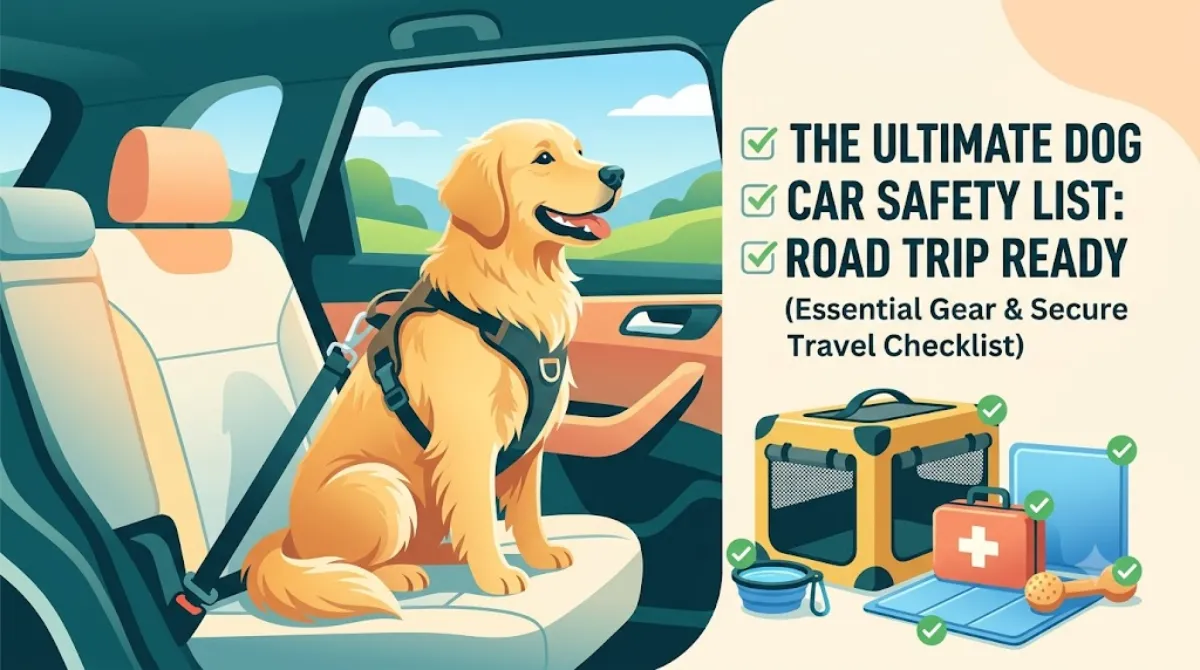
Selecting between a crash-tested body harness and a secured travel crate depends on your vehicle layout, your dog’s size, and their behavioral tendencies. A certified crash-tested harness connects directly to the vehicle’s seatbelt system, allowing sitting or lying down while restricting forward movement during sudden stops. Alternatively, a heavy-duty metal or heavy plastic crate anchored securely to the vehicle floor provides a confined den environment that shields the animal from collapsing cabin panels.
Seatbelt Tethers and Secure Anchoring Points
When utilizing a vehicle-integrated harness, ensure you attach a short, heavy-duty tether specifically rated for crash testing rather than standard fashion leashes. Long tethers allow too much forward excursion, increasing the risk of the dog striking the back of the front seats during a collision. Connecting the tether to a dedicated car-safe harness ring distributes deceleration force evenly across the sternum and ribcage rather than pulling against the neck.
Practical Step: Inspect your vehicle’s seatbelt latches and anchor points before every long trip to ensure they are free of debris and lock securely into place. For foundational insights on preparing young animals for travel environments, review our guide on [how to choose the right puppy].
Packing Essential Road Trip Gear for Canines
Organizing a dedicated travel bag for your dog keeps vital supplies accessible and prevents stressful scrambling at roadside rest stops. Preparing for unforeseen weather shifts and environmental hazards ensures a smooth trip.
Hydration Portability and Spill-Proof Bowls
Maintaining proper hydration during transit prevents fatigue and supports temperature regulation, especially during warm weather drives. Pack several gallons of your dog’s regular tap water from home to avoid canine digestive upset caused by unfamiliar local water minerals. Utilize a weighted, spill-proof travel bowl placed on a rubber mat to catch inevitable splashes during turns.
First Aid Kits and Emergency Identification
A comprehensive pet-specific first aid kit is an absolute must-have for treating minor scrapes, paw pad abrasions, or insect stings encountered during outdoor excursions. Include antiseptic wipes, sterile gauze pads, self-adhering bandages, tweezers for tick removal, and any prescription medications your dog requires. Verify that your dog’s collar tags display an active phone number, and confirm that their microchip registry data lists your current mobile contact details.
Pet Owner Note: Pack a clean towel, a heavy-duty trash bag, and an extra slip lead right at the top of your luggage so you can access cleanup supplies immediately if your dog gets muddy or sick. For overall health milestones during travel preparation, review our guide on [puppy health and wellness].
Managing Canine Motion Sickness and Anxiety
Vehicle motion and unfamiliar sensory stimuli can trigger profound stress and nausea in sensitive canines, turning a pleasant drive into an exhausting ordeal. Recognizing early discomfort signals allows you to intervene before vomiting occurs.
Identifying Early Signs of Travel Nausea
Dogs experiencing motion sickness rarely vocalize immediately, choosing instead to communicate discomfort through subtle behavioral cues. Excessive yawning, heavy drooling, trembling, lip-licking, and an anxious, wide-eyed expression indicate rising nausea. Catching these early signs allows you to pull over safely before your dog vomits inside the car cabin.
Acclimating Anxious Dogs to Vehicle Motion
If your dog associates car rides exclusively with stressful vet visits or painful experiences, desensitization requires a patient, multi-step training approach. Begin by feeding meals inside a stationary vehicle with the engine turned off, gradually progressing to short engine-idle sessions and brief neighborhood loops. Keeping initial trips exceptionally short helps rewrite negative emotional associations into neutral or positive expectations.
Vet Check: Consult your veterinarian prior to departure if your dog suffers from severe motion sickness, as professional guidance may include safe, prescription anti-nausea medications. For positive behavioral conditioning tips, consult our resource on [positive reinforcement dog training].
Rest Stop Protocols and Roadside Safety Management
Navigating busy highway rest areas requires strict adherence to safety protocols to prevent accidental escapes in unfamiliar, high-traffic environments.
Preventing Escapes During Door Openings: Highway rest stops bustle with speeding semi-trucks, unfamiliar people, and stray animals that can startle a relaxed dog instantly. Always secure your dog with a short leash before opening any vehicle door, maintaining a firm grip on the handle to prevent sudden bolting. Utilizing a secondary martingale collar or a properly fitted harness provides an extra layer of containment security during walks.
Managing Climate Control in Parked Vehicles: Never leave a dog unattended in a parked vehicle, even for a few minutes with the windows cracked. Cabin temperatures skyrocket within minutes—even on mild days—leading to rapid, fatal heatstroke. If you must step inside a facility where dogs are prohibited, travel with a human companion who can stay inside the air-conditioned vehicle with your pet.
Daily Care Tip: Keep your dog’s paws protected on hot asphalt rest-stop parking lots by checking surface temperatures with the back of your hand before letting them walk. For behavioral insights on managing stress in new surroundings, explore guidance on [understanding dog behavior].
Frequently Asked Questions
- What should I do if my dog vomits during a long car trip? Pull over safely at the next rest stop, clean the affected area using an enzymatic cleaner to eliminate lingering odors, and offer your dog a small sip of water once they settle down.
- Are booster seats safe for small dogs in vehicles? Commercial booster seats can elevate small dogs to look out the window safely, provided the seat features a sturdy internal tether anchored to a crash-tested harness rather than a neck collar.
- How often should I stop to let my dog stretch on a road trip? Plan rest stops every two to three hours to allow your dog to relieve themselves, walk around briefly, and drink fresh water.
- Can I feed my dog right before getting into the car? Feeding a large meal immediately prior to travel increases the likelihood of motion sickness; feed light meals at least two hours before departure.
- What is the best way to secure a travel crate inside an SUV? Anchor heavy-duty travel crates tightly against the back of the rear seats using heavy cargo straps attached to factory tie-down loops to prevent shifting during sudden stops.
- Should I crate my dog overnight in a hotel room during a road trip? Bringing your dog’s familiar crate provides a secure, comforting den that prevents hotel room destruction or anxiety-induced escape attempts when you sleep.
Conclusion
Preparing for a road trip with your canine companion requires balancing the thrill of adventure with uncompromising standards for physical safety and comfort. By utilizing a comprehensive dog car safety checklist and packing necessary road trip essentials for dogs, you protect your pet from the unpredictable hazards of vehicle transit. Taking time to establish secure restraint systems and plan thoughtful rest stops ensures a peaceful journey for everyone on board. Embrace the planning process and set off with confidence knowing your faithful friend is fully protected. Take the next practical step today by auditing your current travel gear and testing your dog’s crash-tested harness fit before your next departure.