
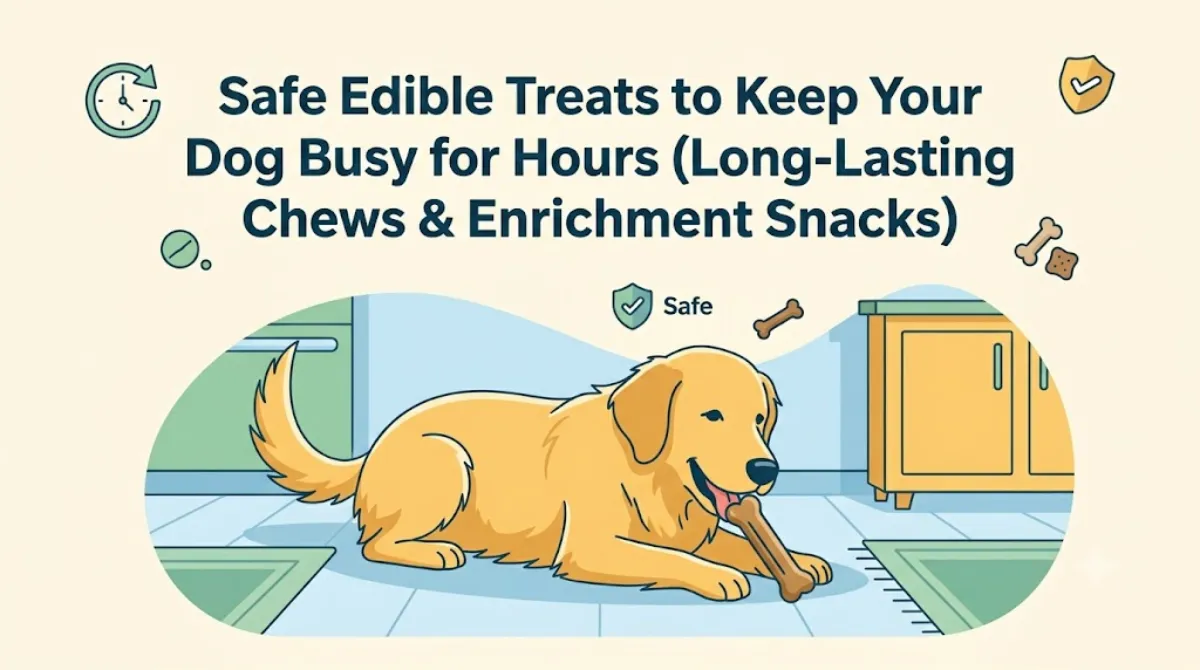
Safe Edible Treats to Keep Your Dog Busy for Hours (Long Lasting Safe Dog Chews)
Finding an effective way to occupy an energetic canine companion without causing digestive upset or purchasing flimsy toys that vanish in minutes can frustrate any pet owner. When looking for long lasting safe dog chews, handlers need reliable items that satisfy jaw strength while remaining digestible. Providing safe edible dog treats for boredom transforms restless afternoon hours into quiet, focused engagement. This comprehensive guide examines durable, vet-approved snacks and enrichment methods designed to channel natural chewing instincts into productive activity. By understanding how to select wholesome treats, you protect your dog’s dental health and restore peaceful tranquility to your household.
Finding the right match requires balancing aesthetic appeal with practical functionality. By reviewing the linguistic roots and cultural significance behind these words, you can confidently assign a moniker that honors your dog’s unique personality.
The Biology of Canine Chewing and Jaw Mechanics
Chewing is not merely a passing hobby for domestic canines; it represents a fundamental behavioral need deeply hardwired into their biological makeup. From puppyhood teething phases to adult stress relief, exercising the masseter muscles releases calming neurochemicals within the brain.
Endorphin Release and Nervous System Regulation
When a dog engages in persistent, rhythmic chewing, their central nervous system responds by lowering cortisol and releasing dopamine, which naturally calms an anxious or restless animal. Providing appropriate chew items prevents dogs from redirecting their frustration onto expensive household items like shoes, pillows, or furniture legs. This self-soothing activity is especially valuable during thunderstorms, fireworks, or temporary home isolation.
Periodontal Maintenance and Salivary Protection
Mechanical friction from chewing helps scrape away soft dental plaque before it calcifies into hard tartar along the gumline. Furthermore, the prolonged chewing action stimulates profuse saliva production, which contains natural enzymes that neutralize harmful oral bacteria and protect tooth enamel. Integrating structured chewing into your dog’s daily routine supports long-term periodontal health.
Natural Single-Ingredient Options for Extended Occupancy
Navigating pet store aisles reveals an overwhelming variety of hard snacks, making it crucial to evaluate which items offer genuine longevity and safety. Selecting appropriate products prevents gastrointestinal emergencies and ensures your dog benefits fully from their snack time.
Free-Range Bully Sticks and High-Protein Fibers
Sourced from beef muscle tissue, bully sticks serve as a highly digestible, single-ingredient alternative to processed rawhide. As dogs gnaw on the fibrous protein, the stick softens gradually rather than shattering into dangerous shards. This makes them exceptional options for keeping dogs quietly occupied during afternoon rest periods.
Himalayan Yak Cheese Bars and Hardened Dairy
Crafted from traditional Himalayan recipes using yak and cow milk, hardened cheese chews provide exceptional durability for moderate chewers. These dense bars soften slowly as the dog’s warm saliva breaks down the lactose-free protein, yielding hours of focused engagement. Once a small end-piece remains, you can pop it into the microwave for a few seconds to puff it up into a crunchy, safe cheese puff.
Safety Reminder: Inspect your dog’s chew selections daily to ensure they are not breaking off large, sharp chunks that could be swallowed whole and cause an obstruction. When preparing your home for young animals, review our guide on [how to choose the right puppy].
Plant-Based Alternatives and Dehydrated Produce
For owners seeking lower-fat or plant-based alternatives to animal proteins, dehydrated vegetable chews offer a wonderful way to satisfy jaw strength safely.
Dehydrated Sweet Potato Slices and Root Vegetables
Carefully dehydrated sweet potato chews provide a chewy, fiber-rich snack that takes moderate chewers a considerable amount of time to consume. Naturally sweet and nutrient-dense, these vegetable slices supply beta-carotene and vital dietary fiber without excess saturated fats. Selecting plain varieties free of added sugars or artificial flavorings ensures gentle digestion for sensitive pets.
Specialized Selection Criteria for Aggressive Chewers
Power chewers like German Shepherds or Labrador Retrievers can obliterate standard treats in a matter of minutes, turning snack time into a high-risk choking hazard. Identifying resilient, splinter-resistant options is critical for heavy-duty chewers looking for safe chews for aggressive chewers.
Avoiding Splintering Cooked Bones and Rawhide Hazards
Real bones retrieved from human dinner tables pose severe physical risks to domestic canines because the cooking process makes bone tissue brittle and prone to sharp splintering. Ingesting cooked bone fragments frequently leads to gastrointestinal perforations, severe internal lacerations, or complete intestinal blockages requiring emergency veterinary surgery. Similarly, traditional chemically treated rawhide can present digestive blockages and choking risks if swallowed in large, unsoftened sheets.
Dense Collagen Rolls and Natural Tendon Braids
For aggressive canines who shred standard snacks instantly, thick natural collagen rolls or braided beef tendons offer safer, digestible durability. These items yield slowly under powerful jaw pressure, providing hours of safe enrichment without the destructive hazards associated with splintering bones. Their fibrous structure breaks down gradually in gastric acids, minimizing the risk of internal blockages.
Practical Step: Measure your dog’s daily treat intake carefully, ensuring that edible chews account for no more than ten percent of their overall caloric requirements. For training reward alternatives, consult resources on [positive reinforcement dog training].
Interactive Stuffing Toys as Customizable Boredom Busters
If commercial chew sticks disappear too quickly, transforming interactive rubber toys into dog boredom buster treats offers a brilliant, customizable alternative. Stuffing hollow containers with wholesome ingredients extends snack times significantly, especially when frozen.
Layering Whole Foods Inside Hollow Rubber Containers
Packing a hollow rubber toy requires strategic layering to maintain interest and maximize working time. Start by plugging the small end with a dollop of xylitol-free peanut butter, then layer plain Greek yogurt, mashed pumpkin, and dry kibble inside the cavity. This culinary combination creates an engaging puzzle that requires sustained licking and paw dexterity to conquer.
Freezing Strategies to Triple Engagement Duration
Placing packed stuffing toys in the freezer overnight turns soft spreads into a solid, ice-cream-like consistency that takes a dog forty-five minutes to an hour to empty. This frozen challenge is an exceptional tool for calming high-energy dogs or managing crate separation anxiety. The combination of physical licking and cognitive focus releases soothing endorphins throughout the experience.
Managing Safety Hazards, Sizing Thresholds, and Supervision
Even the most natural, digestible snack carries minor risks if consumed carelessly or offered without proper size scaling. Establishing clear household safety rules protects your pet from preventable emergencies.
Preventing Choking Risks From Small Terminal Nubs: Always select chew items that are substantially larger than your dog’s entire muzzle width to ensure they cannot swallow the final remnants whole. As a chew wears down over days of use and shrinks into a small nub, confiscate and discard it immediately to prevent a choking crisis. Utilizing specialized rubber safety holders for bully sticks provides an extra layer of protection against swallowing terminal pieces.
Identifying Gastrointestinal Obstruction Symptoms: Monitoring your dog after introducing a new snack helps you catch digestive trouble early. Clinical signs of an obstruction include persistent vomiting, lethargy, straining to defecate, loss of appetite, and abdominal tenderness. If you suspect your dog has swallowed an inappropriate foreign object or a large chew fragment, seek professional veterinary care immediately.
Vet Check: Schedule a professional veterinary examination immediately if your dog displays continuous vomiting, straining to defecate, or abdominal tenderness after a chewing session. For overall growth milestones, review our guide on [puppy health and wellness].
Establishing Daily Snack Routines and Caloric Balance
Integrating chew sessions into a daily schedule requires balancing nutritional intake against active energy expenditure to prevent canine obesity.
Balancing Nutritional Intake Against Treat Portions: Because long lasting treats for dogs often carry significant caloric density, owners must adjust regular meal portions downward on days when heavy chewing occurs. Maintaining a lean body condition protects aging joints from premature wear and tear while supporting metabolic health. Establishing predictable times for chew sessions also helps structure the day, giving working dogs clear expectations for independent quiet time.
Frequently Asked Questions
- Are yak cheese chews suitable for puppies with developing teeth? Puppies require softer teething items—such as frozen wet washcloths or rubber puppy toys—because hard yak cheese chews can fracture developing deciduous teeth.
- What is the best way to handle small bully stick nubs when they become dangerous? Use a specialized rubber holder or take the small end away firmly using a positive trade-up method before it becomes a choking hazard.
- Can sweet potato chews cause upset stomachs in sensitive dogs? Dehydrated sweet potato slices are rich in fiber and generally gentle on canine digestion, provided they contain no added sugars, spices, or artificial preservatives.
- How can I prevent my dog from resource guarding their favorite chews? Practice trading up by offering a high-value piece of chicken in exchange for the chew, teaching your dog that letting go of an item brings positive rewards rather than conflict.
- Are synthetic nylon bones considered edible chews? No, synthetic nylon bones are designed purely for mechanical chewing and scraping; they are non-digestible and must be replaced once worn down or sharp edges form.
- How do I choose the right size chew for a heavy chewer? Always select a chew size scaled specifically for large breeds, ensuring the diameter is too wide to fit entirely inside the dog’s mouth lengthwise.
Conclusion
Providing durable, wholesome snacks transforms restless hours into quiet, constructive engagement that benefits your dog’s oral and emotional health. By selecting long lasting safe dog chews that match your pet’s jaw strength, you protect your furniture while supporting safe digestion. Implementing active supervision and proper sizing thresholds ensures that treat time remains a secure, enjoyable daily ritual. Take the next practical step today by auditing your current treat inventory and introducing a frozen stuffing toy during your dog’s next rest period. For insights into behavioral calm, consult our resource on [understanding dog behavior].