
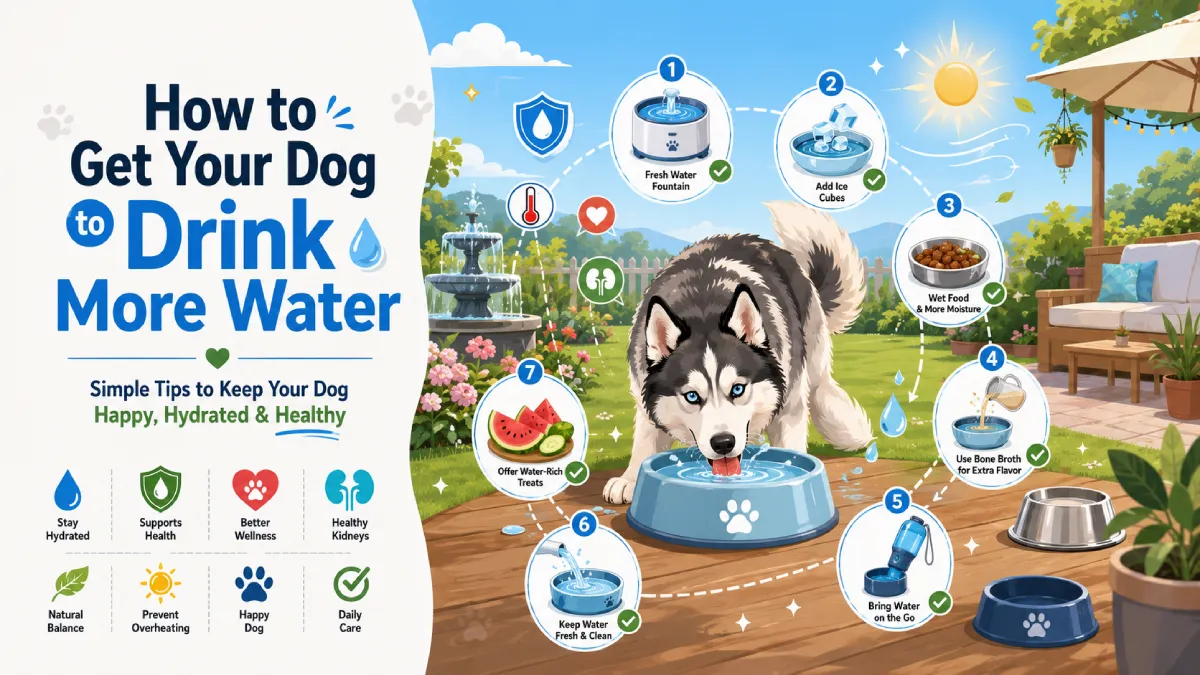
How to Get Dog to Drink More Water: Creative Hydration Hacks and Tips
Ensuring that a canine companion maintains adequate fluid balance is essential for metabolic regulation, yet many pet parents struggle when a pet ignores their bowl. Discovering effective ways to hydrate your dog prevents dangerous electrolyte imbalances and supports long-term organ function. When a dog won’t drink water, handlers often experience anxiety regarding potential illness, kidney stress, or seasonal heat exhaustion. Understanding how to get dog to drink more water through enticing culinary additions, strategic bowl placements, and environmental enrichment transforms daily fluid consumption from a struggle into an effortless routine. This comprehensive guide outlines professional strategies, physiological indicators, and practical hacks designed to keep your four-legged family member safely hydrated.
Finding the right match requires balancing aesthetic appeal with practical functionality. By reviewing the linguistic roots and cultural significance behind these words, you can confidently assign a moniker that honors your dog’s unique personality.
Recognizing Canine Dehydration and Calculating Optimal Daily Water Intake
Proper fluid balance underpins every metabolic process within the canine body, from nutrient transportation to thermal regulation. Veterinarians generally recommend that adult canines consume approximately one ounce of water per pound of body weight daily, though active working breeds, nursing mothers, and dogs consuming dry kibble require significantly higher volumes.
Clinical Indicators of Fluid Deficit in Canines
Detecting early warning signs of insufficient fluid intake prevents minor lethargy from escalating into a medical emergency. When a dog’s body loses more moisture than it takes in, blood volume decreases, forcing the cardiovascular system to work harder to oxygenate tissues.
- Tacky Gum Texture: Healthy oral mucous membranes feel slick and wet, whereas dehydrated tissue feels sticky, dry, or tacky to the touch.
- Sunken Eye Appearance: Severe fluid deficits cause orbital tissues to retract slightly, giving the eyes a dull, sunken look within the skull.
- Persistent Lethargy: Insufficient cellular hydration reduces overall energy levels, causing pets to remain recumbent and unresponsive to normal environmental stimuli.
Skin Turgor Tests and Gum Moisture Assessments
Evaluating skin elasticity provides a practical method for assessing hydration levels at home. Gently pinch the loose skin over your dog’s shoulder blades into a small tent shape and release it. In a well-hydrated animal, the skin snaps back into place instantaneously; in a dehydrated dog, the skin recedes slowly or remains tented. Additionally, lifting the upper lip to press a finger against the gum tissue reveals capillary refill time—if the white spot left by your finger takes longer than two seconds to return to its normal pink color, fluid volume is compromised.
Pet Owner Note: Keep a daily log of your dog’s water bowl refills to accurately track consumption patterns, allowing you to notice sudden drops in intake before clinical symptoms manifest.
Environmental Adjustments for Fresh Water Sources
Sometimes reluctance to drink stems not from an aversion to water itself, but from unappealing conditions surrounding the water station. Canines possess a keen sense of smell and taste, meaning stale water, dirty containers, or poorly positioned bowls can cause them to seek hydration elsewhere.
Upgrading Bowl Materials and Placement Locations
Many dogs dislike the chemical tastes or odors imparted by cheap plastic bowls, which accumulate microscopic scratches that harbor bacterial biofilms. Transitioning to stainless steel, ceramic, or glass vessels eliminates lingering tastes and simplifies daily sanitization. Furthermore, placing water stations in multiple quiet areas throughout the home encourages animals to drink more frequently without having to travel across the house to a single distant bowl.
Moving Beyond Ceramic Bowls: The Benefits of Pet Water Fountains
Stagnant water collects dust, pet hair, and airborne debris quickly, turning many pets away from traditional standing bowls. Electric pet water fountains provide a continuous stream of aerated, filtered water that mimics natural mountain springs. The gentle bubbling sound and motion stimulate canine curiosity, while charcoal filters remove impurities that affect taste and odor. Keeping fountains clean and refilled daily ensures your dog enjoys fresh, appealing hydration around the clock.
How to Get Dog to Drink More Water Through Flavorful Enhancements
When standard tap water fails to entice a finicky pet, introducing savory flavors transforms ordinary bowls into irresistible treats. Enhancing palatability is one of the most reliable methods for encouraging fluid consumption.
Infusing Liquid Assets With Low-Sodium Bone Broths
Adding a splash of plain, unseasoned bone broth to your dog’s drinking bowl provides an instant aromatic boost that encourages immediate lapping. It is vital to ensure the broth is completely free of toxic alliums like onions and garlic, as well as excess sodium. You can easily learn how to get dog to drink more water by diluting one tablespoon of homemade broth into two cups of fresh water, creating a flavorful infusion that appeals to their strong olfactory senses.
Crafting Broth Ice Cubes for Enrichment and Hydration
Transforming flavored liquids into frozen treats provides both mental stimulation and steady hydration during warm weather. Pour diluted bone broth or pureed dog-safe vegetables into silicone ice cube trays and freeze them solid. Dropping these savory cubes into a water bowl encourages dogs to nudge, lick, and consume water as the ice slowly melts, keeping their core temperature regulated during outdoor play.
Safety Reminder: Monitor dogs closely when offering frozen ice cubes to prevent choking hazards, particularly with enthusiastic chewers who attempt to swallow large fragments whole.
Dietary Modifications to Increase Moisture Consumption
Adjusting how meals are served offers another powerful avenue for boosting daily fluid volume without forcing your dog to drink directly from a bowl.
Blending Wet Food Formulas Into Dry Kibble
Dry kibble typically contains only ten percent moisture, whereas canned wet formulations boast up to eighty percent water content. Mixing a spoonful of high-quality canned food or gently warmed rehydration liquid directly into dry kibble significantly increases total daily moisture intake. This culinary blending also enhances mealtime excitement for senior dogs experiencing declining appetites.
Rehydrating Dry Meals With Warm Water or Herbal Teas
Soaking dry kibble in warm water for ten minutes before serving creates a palatable gravy that satisfies hunger and thirst simultaneously. For dogs with sensitive stomachs, steeping canine-safe chamomile or rooibos tea, allowing it to cool completely, and pouring it over dry food provides soothing hydration and digestive support. When exploring dietary adjustments, consult resources to use small spoonfuls of healthy broth liquids as high-value rewards during obedience sessions.
Vet Check: Consult your veterinarian before introducing new broths or dietary supplements if your dog manages chronic health conditions like kidney disease or food sensitivities.
Overcoming Behavioral Aversions and Drinking Obstacles
Behavioral reluctance to drink can stem from past negative associations, household stress, or physical discomforts that make bending down painful. Identifying and resolving these underlying obstacles restores normal drinking behavior.
Addressing Sensory Fears Associated With Metallic or Deep Vessels: Some dogs experience startling experiences when their collar tags clang loudly against deep metal bowls, or when their whiskers brush against narrow container rims. Switching to wide, shallow ceramic dishes prevents sensory overload and whisker fatigue. Additionally, quiet kitchen corners free from heavy foot traffic provide the psychological safety required for anxious pets to drink in peace.
Encouraging Hydration in Working and Active Outdoor Canines: Active sporting dogs and outdoor hiking companions burn through fluids rapidly and often forget to pause for water during high-energy play. Pack collapsible travel bowls and fresh water bottles on every excursion, offering frequent fluid breaks every twenty minutes during hot weather. Prevent heat exhaustion by encouraging rest in shaded areas paired with small, controlled sips of cool water.
Medical Conditions That Impact Daily Water Intake
While behavioral quirks explain many drinking habits, sudden changes in thirst or complete refusals to drink often signal underlying medical conditions requiring professional veterinary diagnosis.
Recognizing Urinary Tract Health Issues and Kidney Stress: A sudden spike in water consumption or a complete aversion to the bowl can indicate endocrine disorders, urinary tract infections, or early-stage renal failure. Monitoring daily output alongside intake helps identify problems early. If your dog straining to urinate or showing signs of abdominal discomfort alongside abnormal drinking habits, prompt clinical intervention is mandatory.
When Increased Thirst or Refusal Requires Veterinary Intervention: Persistent excessive thirst—known medically as polydipsia—frequently points toward systemic conditions such as diabetes mellitus, Cushing’s disease, or pyometra in unspayed females. Conversely, a dog that refuses all liquids for more than twenty-four hours risks rapid organ damage and dehydration shock. Schedule an immediate veterinary examination if home hydration hacks fail to restore normal drinking behavior. When evaluating unusual physical or behavioral shifts.
Feeding Reminder: Always ensure fresh water bowls accompany every mealtime, as the digestive process requires immediate fluid availability to break down food efficiently.
Frequently Asked Questions
- Why is my dog suddenly refusing to drink from their regular bowl? Sudden aversions often result from sensory discomfort, dirty bowl surfaces, or negative associations caused by startling noises near the feeding station.
- How much water should a healthy adult dog drink daily? As a general baseline, adult canines require approximately one ounce of water per pound of body weight each day, adjusted for exercise intensity and weather.
- Can I use human sports drinks to rehydrate an active dog? No, human sports drinks contain artificial sweeteners like xylitol and excessive electrolytes that can cause severe toxicity and metabolic stress in dogs.
- What are the signs of canine heat stroke caused by dehydration? Heavy panting, bright red gums, thick drool, staggering, and vomiting indicate dangerous overheating requiring emergency veterinary care.
- Is tap water safe for dogs to drink? Municipal tap water is generally safe, but if your local water contains heavy mineral tastes or chemical odors, filtered water may encourage better consumption.
- How can I keep outdoor water bowls cool during summer months? Place water bowls in shaded areas, add large ice cubes periodically, or invest in insulated pet bowls designed to maintain cool temperatures.
- Does feeding raw food reduce the need for drinking water? Raw diets contain high natural moisture content, meaning dogs often drink less free water from bowls while still maintaining optimal hydration levels.