
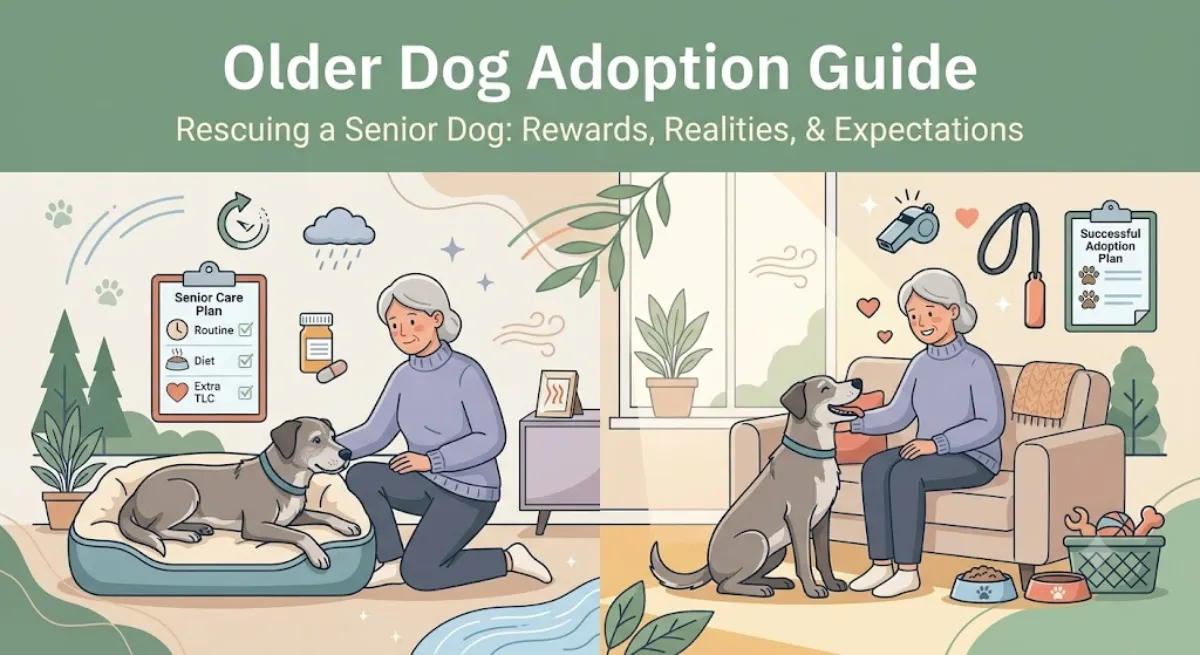
The Truth About Rescuing a Senior Dog: Rewards, Realities, & What to Expect (Older Dog Adoption Guide)
Welcoming an older canine companion into your home offers a deeply rewarding experience that differs vastly from raising an energetic puppy. Many prospective pet parents exploring the truth about senior dog rescue often wonder how an aging animal will integrate into their daily routine and household dynamics. Rescuing a senior dog brings unique emotional rewards alongside specific medical and behavioral responsibilities that require careful preparation. This comprehensive guide examines the multifaceted realities of mature animal adoption, detailing what to expect from health screenings, home modifications, and emotional adjustments so you can decide if this compassionate path suits your lifestyle.
Finding the right match requires balancing aesthetic appeal with practical functionality. By reviewing the linguistic roots and cultural significance behind these words, you can confidently assign a moniker that honors your dog’s unique personality.
The Profound Rewards of Sharing Life With A Mature Companion
Opening your heart to an older dog transforms both your daily existence and the life of an animal that may have spent months or years waiting behind shelter bars. Embracing golden years adoption brings immediate stability and an unmatched sense of peaceful companionship.
Instant Temperament Transparency and Predictable Energy
Unlike unpredictable puppies whose adult personalities and final physical sizes remain speculative, senior dogs arrive with fully formed identities. Shelter staff and foster coordinators can accurately describe whether a mature dog prefers a quiet, low-activity household or enjoys moderate daily strolls. This behavioral clarity allows adopters to select an animal whose temperament matches their exact lifestyle. To better understand how environmental cues shape adult behavior, explore guidance in [understanding dog behavior].
Deep Gratitude and Rapid Bonding in Golden Years Adoption
Older dogs frequently display a remarkable capacity for appreciation once they realize they are safe in a permanent home. Many adopters report an immediate, profound sense of loyalty as their new companion settles onto a comfortable rug and relaxes completely. This rapid bonding stems from their maturity and life experience, creating a deeply fulfilling relationship from day one.
Practical Step: Assess your daily activity level and match it against a senior dog’s preference for calm walks rather than intense athletic exertion before selecting a companion.
Unpacking the Physical Realities and Veterinary Considerations
While mature companions offer wonderful emotional rewards, prospective owners must approach grey muzzle companionship with a realistic understanding of upcoming medical requirements and age-related physiological shifts.
Anticipating Age-Related Medical Expenses and Routine Screening
As dogs age, their bodies require more frequent health evaluations to catch emerging conditions before they impact daily comfort. Senior dogs benefit from biannual veterinary examinations, comprehensive blood panels, and routine dental cleanings to monitor organ function. Budgeting for these veterinary expenses ensures that your pet receives prompt medical attention whenever age-related ailments appear.
Managing Chronic Conditions Like Arthritis and Dental Decline
Common age-related ailments in older dogs include degenerative joint disease, mild hearing loss, vision changes, and periodontal disease. Fortunately, modern veterinary medicine offers remarkable therapeutic options—ranging from joint supplements and physical rehabilitation to pain-relief medications—that maintain an exceptional quality of life. Understanding these needs helps owners partner effectively with veterinarians. For foundational insights on monitoring long-term physical wellness, review our guide on [puppy health and wellness] adapted for senior aging.
Vet Check: Schedule a comprehensive geriatric wellness exam immediately following adoption to establish a baseline health record and pain management protocol.
Preparing Your Living Space for An Aging Dog
Adapting your home environment before your new companion arrives ensures that their transition is physically comfortable, safe, and stress-free from the moment they step through the door.
Modulating Traction and Eliminating Slip Hazards on Hard Floors
Slippery hardwood, tile, or laminate floors pose a significant injury hazard for older dogs suffering from reduced joint stability or muscle weakness. Placing rubber-backed runner rugs across high-traffic pathways creates safe traction lanes that prevent painful slips and falls. For isolated slick spots, applying specialized grip socks or paw pads can provide extra stability.
Strategic Placement of Accessible Orthopedic Bedding
Senior dogs spend a substantial portion of the day resting, making supportive sleep surfaces an absolute medical necessity for their aching joints. Invest in low-profile orthopedic foam beds featuring memory padding that contours to their body shape without requiring high steps to enter. Placing multiple beds across different rooms ensures your dog always has a comfortable sanctuary nearby. For environmental design inspiration, review layout principles found in our guide on [how to choose the right puppy].
Safety Reminder: Keep ramps or non-slip stairs stationed near high human furniture or vehicle entry points to protect vulnerable canine joints from impact shock.
The Emotional Adjustment Period and Bringing Home An Older Shelter Dog
The initial weeks following adoption represent a crucial adjustment period where patience, routine, and emotional sensitivity dictate how successfully your dog settles in.
Navigating the Honeymoon Phase and Delayed Decompression
When an older dog first arrives home, they often display an overly compliant “honeymoon” demeanor while quietly processing the immense stress of a shelter transition. As they feel increasingly secure over the subsequent weeks, their true personality emerges, which may occasionally include mild testing of household rules or hidden anxieties. Recognizing that this decompression timeline is entirely normal prevents frustration and encourages steady patience.
Establishing Consistent Routines to Build Trust
Dogs find immense psychological security in predictable daily schedules detailing exact times for meals, outdoor elimination, and quiet rest. Maintaining a calm, structured routine minimizes confusion and helps lower cortisol levels associated with past abandonment. When implementing positive guidance during this transition, consult resources on [positive reinforcement dog training].
Pet Owner Note: Keep visitor traffic minimal during your new senior dog’s first two weeks at home to prevent sensory overload and emotional fatigue.
Specialized Options: Hospice Fostering and Palliative Care
For dedicated animal lovers with immense empathy, opening your home to dogs in their absolute final chapters offers one of the most compassionate forms of rescue available.
The Noble Role of Providing Comfort in Final Months
Hospice fostering involves caring for terminally ill or advanced senior dogs who would otherwise spend their final months inside a sterile shelter environment. Hospice foster parents provide palliative care, pain management, and unconditional love, ensuring these animals experience dignity, warmth, and security during their remaining time. This selfless commitment leaves an indelible mark on animal welfare rescue networks.
Assessing Quality of Life With Veterinary Guidance
Caring for an end-of-life companion requires maintaining a close partnership with a veterinarian to evaluate pain scales, mobility scores, and daily appetite trends objectively. Utilizing quality-of-life assessment tools helps handlers ensure that their dog’s good days consistently outweigh their difficult ones. Making informed, compassionate decisions prioritizes the animal’s comfort above all else.
Daily Care Tip: Maintain a daily journal tracking your senior dog’s good moments, mobility scores, and appetite shifts to evaluate overall comfort objectively.
Frequently Asked Questions
- Are senior dogs difficult to house-train if they come from a shelter environment? Most adult rescue dogs already possess solid house-training habits from previous homes, though temporary stress or changes in schedule can cause minor accidents during the initial adjustment week.
- What is the average adoption fee for an older dog compared to a puppy? Rescue organizations frequently set lower adoption fees for senior dogs or waive them entirely through sponsored programs to encourage mature animal adoptions.
- Can older shelter dogs adapt well to homes with cats and children? Yes, many senior dogs possess calm, tolerant temperaments that make them exceptionally well-suited for households with cats and older children, provided individual compatibility is assessed.
- How can I help my newly adopted senior dog overcome separation anxiety? Leave your dog alone for only brief intervals initially, provide safe puzzle toys, and maintain calm departures and arrivals to build their confidence gradually.
- Are purebred senior dogs easier to find in rescues than mixed breeds? Both purebred senior dogs and mixed breeds enter shelter systems regularly, and there are dedicated breed-specific senior rescue groups operating globally.
- How much daily exercise does a typical older rescue dog require? Most senior dogs thrive on short, gentle daily walks for sniffing and elimination rather than high-intensity running or strenuous athletic exertion.
Conclusion
Choosing to welcome a mature companion into your household is a deeply compassionate decision that enriches your life with quiet loyalty, gratitude, and peace. Understanding the adopting an older dog realities of senior canine care ensures you are fully prepared to support your dog through their golden years with confidence. By prioritizing veterinary health screenings, supportive environmental modifications, and gentle daily routines, you create a restorative sanctuary for your new friend, mastering the senior dog adoption pros and cons while following a reliable golden years dog adoption guide. Take the next practical step today by contacting a local animal rescue organization to learn about senior dogs currently waiting for a loving home.