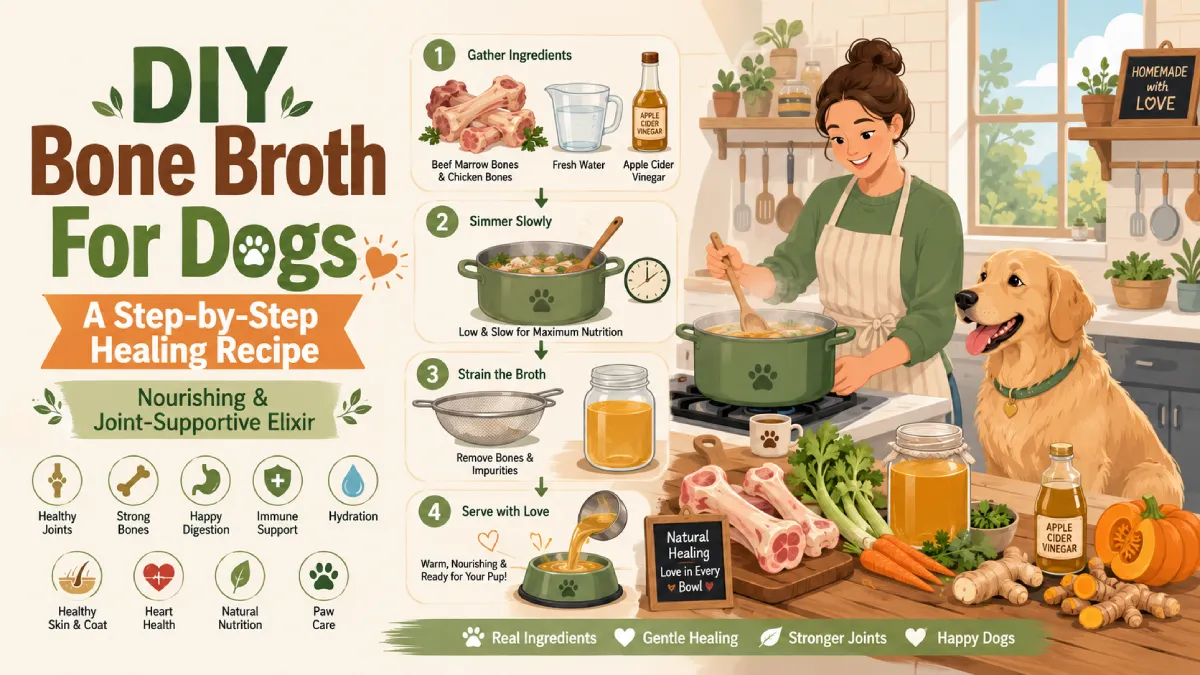
DIY Bone Broth For Dogs: A Step-by-Step Healing Recipe (Nourishing & Joint-Supportive Elixir)
Finding ways to enhance your canine companion’s daily nutrition without adding artificial additives or excessive calories often leads holistic pet parents back to traditional culinary remedies. Preparing DIY bone broth for dogs offers a remarkably simple method to infuse vital hydration and rich nutrients into ordinary kibble or raw meals. Understanding how to create a wholesome batch of homemade bone broth for dogs ensures that your furry friend receives maximum joint-supportive collagen and digestive support without harmful seasonings. This comprehensive guide walks you through ingredient selection, slow-cooking techniques, and safe serving practices, empowering you to brew a healing liquid gold right in your own kitchen.
Finding the right match requires balancing aesthetic appeal with practical functionality. By reviewing the linguistic roots and cultural significance behind these words, you can confidently assign a moniker that honors your dog’s unique personality.
The Nutritional Science Behind Canine Bone Broth
Long-simmered animal bones release a dense concentration of bioavailable minerals, amino acids, and gelatin into the surrounding water. When animal connective tissues and marrow-rich bones break down over extended cooking periods, they transform ordinary liquid into a nutrient-dense elixir. This gelatin-rich liquid provides targeted support for joint mobility, gut wall integrity, and overall vitality in dogs of all life stages.
Amino Acids and Joint-Supportive Collagen
The primary physiological benefit of a well-crafted broth lies in its high concentration of collagen, which breaks down into gelatin during the simmering process. Gelatin supplies essential amino acids like glycine, proline, and glutamine that support cartilage repair, reduce inflammation in arthritic joints, and maintain connective tissue elasticity. For ageing canines or athletic working breeds experiencing wear and tear, these compounds offer natural cushioning for joints and bones.
Gastrointestinal Healing and Hydration Support
The gut lining requires specialized amino acids to maintain structural integrity and prevent inflammatory particles from leaking into the bloodstream. Glutamine, a prominent amino acid found in simmered bone extracts, acts as primary fuel for intestinal cells, helping to soothe sensitive stomachs and support recovery from digestive upsets. Furthermore, offering a flavorsome liquid topper encourages reluctant drinkers or recovering pets to increase their daily fluid intake, preventing dehydration during warm weather or illness recovery.
Selecting Safe Ingredients and Avoiding Toxic Additions
Creating a safe, therapeutic batch requires careful attention to the components you place into your cooking pot. While human culinary broths often feature aromatic vegetables and heavy sodium additions, canine formulations demand strict adherence to pet safety guidelines.
Choosing Bones with High Collagen Content
To achieve a rich, gelatinous texture that sets firmly when chilled, you must select connective tissue-heavy bones rather than plain muscle meat cuts. Knuckles, marrow bones, turkey necks, chicken feet, and beef neck bones contain abundant cartilage, tendons, and marrow that release maximum collagen into the water. Combining a variety of dense marrow bones with joint-heavy pieces ensures a balanced profile of minerals and amino acids.
Prohibited Seasonings and Dangerous Additions
Human broths frequently feature onions, garlic, leeks, and chives, all of which belong to the allium family and pose severe toxicity risks to domestic canines by damaging red blood cells. Additionally, commercial broth cartons, salt substitutes, and table scraps often harbor high sodium levels and artificial additives like Xylitol that can cause acute organ failure. Sticking strictly to clean animal bones, pure water, and a mild organic acid guarantees that your final product remains entirely safe for daily canine consumption.
Safety Reminder: Never feed cooked bones to dogs, as the boiling and simmering process makes them brittle and prone to splintering, which can cause severe gastrointestinal perforations or blockages. Always strain the finished liquid thoroughly to remove all bone fragments before serving.
Step-by-Step Guide to Crafting Slow Cooker Bone Broth for Dogs
Utilizing a slow cooker provides the ideal steady, low-temperature environment required to break down dense connective tissues over many hours. This step-by-step method ensures maximum nutrient extraction with minimal hands-on effort.
Essential Equipment and Ingredients Checklist
Gathering your supplies beforehand streamlines the preparation process and sets you up for a successful brewing session. You will need a large six-quart slow cooker, a fine-mesh strainer, glass storage jars, and a few basic, pet-safe ingredients.
- 2 to 3 pounds of raw, high-collagen bones (beef knuckles, chicken feet, or turkey necks)
- Filtered water to completely submerge the bones in the cooker
- 2 tablespoons of raw, unpasteurized apple cider vinegar (crucial for drawing minerals out of the bone matrix)
The Cooking and Simmering Process
- Arrange the Bones: Place your chosen raw bones in a single layer at the bottom of the slow cooker insert, ensuring they are not overcrowded so the liquid can circulate freely.
- Add Water and Acid: Pour filtered water over the bones until they are completely covered by at least an inch of liquid. Stir in the apple cider vinegar gently, allowing the mild acid to begin breaking down surface minerals.
- Simmer Slowly: Cover the cooker with its lid and set the temperature to low. Allow the mixture to simmer undisturbed for 12 to 24 hours for poultry bones, or 24 to 36 hours for dense beef bones.
- Strain and Chill: Turn off the appliance, let the liquid cool slightly, and pour it through a fine-mesh strainer into clean containers, discarding all spent bones safely in the trash. Place the jars in the refrigerator overnight to allow the fats to rise and solidify on top.
Pet Owner Note: Scrape off and discard the hardened layer of fat that solidifies on top of chilled broth before serving, as excessive fat content can trigger acute pancreatitis or digestive upset in sensitive dogs. When planning your feeding routines, consult our guide on [puppy health and wellness] for additional nutritional tracking tips.
Serving Suggestions and Daily Integration Strategies
Once your batch has cooled and set into a gelatinous, nutrient-dense jelly, incorporating it into your dog’s daily menu is remarkably straightforward. Finding the right serving method depends on your pet’s preferences and dietary requirements.
Warming and Topping Standard Meals
For everyday enjoyment, gently warm a small portion of the gelatinous broth on the stove or in the microwave until it liquefies into a warm, aromatic soup. Pour two to four tablespoons over your dog’s standard kibble or raw food meal to boost palatability and encourage thorough eating. This simple addition softens dry food for senior dogs with dental sensitivity while adding valuable moisture to their bowls.
Freezing for Long-Term Storage and Summer Treats
Because homemade broths lack artificial preservatives, they typically last only four to five days in the refrigerator. To extend their shelf life, pour the liquid into silicone ice cube trays and freeze them into convenient, single-serving portions. On hot summer days, pop a frozen broth cube out of the tray and offer it as a refreshing, hydrating pup-sicle in the backyard. You can also explore resources on [positive reinforcement dog training] to use small spoonfuls of broth as high-value rewards during obedience sessions.
Practical Storage Guidelines and Quality Indicators
Monitoring the freshness and visual appearance of your stored broth ensures that your pet consumes only high-quality, uncontaminated nutrition. Knowing how to properly store and inspect your batches prevents foodborne illness and maintains maximum nutrient potency.
Refrigeration and Freezer Lifespans: Properly sealed glass jars or BPA-free plastic containers of strained broth remain fresh in the refrigerator for up to five days. For extended storage, silicone freezer molds or freezer-safe bags preserve the liquid for up to six months without significant nutrient degradation. Always label your storage containers with the preparation date so you can rotate older batches out of your rotation efficiently.
Recognizing Spoilage and Contamination Signs: Before offering any stored portion to your companion, inspect the liquid closely for visual or olfactory red flags. If the broth develops an unpleasantly sour odour, unusual discoloration, or fuzzy surface mold, discard the entire batch immediately rather than risking your pet’s digestive health. When in doubt regarding the freshness of a stored container, err on the side of caution and brew a fresh batch. If you are monitoring changes in your pet’s digestive tolerance when introducing new food items, review guidance on [understanding dog behavior] and consult your veterinarian if unusual symptoms arise.
Frequently Asked Questions
- Can I use cooked or leftover dinner bones to make bone broth for my dog? No, you should never use cooked, roasted, or leftover dinner bones for canine recipes. Cooked bones lose their structural flexibility and shatter easily, posing an extreme choking and internal laceration hazard. Always use raw, high-collagen bones purchased specifically for broth making.
- Why is apple cider vinegar necessary in a dog bone broth recipe? Apple cider vinegar acts as a mild acid that helps leach valuable minerals—such as calcium, magnesium, and phosphorus—out of the hard bone matrix and into the simmering liquid, significantly enhancing its nutritional value.
- How much bone broth can I safely feed my dog each day? A general guideline is to offer roughly one tablespoon of broth per 10 pounds of body weight daily. Start with a smaller teaspoon amount to test your dog’s digestive tolerance, then gradually work up to the recommended serving size.
- Is homemade bone broth suitable for dogs with kidney disease or pancreatitis? Dogs with specific medical conditions like pancreatitis or severe renal disease require strict, veterinary-approved diets with carefully controlled fat, phosphorus, and sodium levels. Always consult your veterinarian before introducing rich home-prepared broths to medically compromised pets.
- Can cats and other household pets share this homemade broth? Yes, plain bone broth prepared without alliums or heavy seasonings is exceptionally healthy and hydrating for feline companions as well, making it a wonderful multi-pet household supplement.
- Does simmering the bones longer always produce a better broth? Simmering poultry bones beyond 24 hours or beef bones beyond 36 hours yields diminishing returns and can occasionally impart a bitter taste from mineral over-extraction. Stick to recommended timeframes for optimal flavor and texture.