Decoding Dog Food Labels: The 5 Ingredients You Must Avoid (A Pet Parent’s Guide)
Navigating grocery store aisles filled with colorful pet food bags often leaves conscientious handlers bewildered by marketing claims and fine print. Mastering the process of decoding dog food labels transforms confusing packaging into a transparent window of canine nutrition. Pet parents striving to protect their animal’s long-term health frequently struggle to identify ingredients to avoid in dog food hidden beneath scientific nomenclature or misleading buzzwords. By learning how to evaluate ingredient lists and nutritional guarantees, you can distinguish between marketing hype and genuine nutritional support. This guide illuminates the hidden additives and low-quality components lurking in commercial bowls, empowering you to make informed dietary choices for your household companion.
Finding the right match requires balancing aesthetic appeal with practical functionality. By reviewing the linguistic roots and cultural significance behind these words, you can confidently assign a moniker that honors your dog’s unique personality.
Decoding Dog Food Labels Through Ingredient Hierarchy
Understanding what goes into a commercial kibble bag begins with examining how regulatory bodies govern packaging and formulation standards. In most global markets, pet food manufacturers must adhere to strict labeling laws overseen by agricultural ministries or independent regulatory organizations like the Association of American Feed Control Officials. These standards dictate how nutritional adequacy is stated, ensuring that formulas meet minimum biological requirements for maintenance, growth, or reproduction.
Interpreting the Ingredient Weight Hierarchy
Federal regulations mandate that all components on a packaging panel must be listed in descending order by their pre-cooked weight. Heavy items containing high moisture percentages, such as whole fresh meat, appear near the top of the list because water weight inflates their initial position. However, once moisture is cooked out during the extrusion process, heavy wet ingredients often shrink dramatically, dropping lower in actual dry-matter contribution. Recognizing this weight manipulation helps handlers evaluate where true protein sources actually rank in the dry formulation.
Navigating the Guaranteed Analysis Panel
Adjacent to the ingredient list sits the guaranteed analysis panel, which reports the minimum percentages of crude protein and crude fat, alongside maximum percentages of crude fiber and moisture. While these numbers provide a general baseline, they fail to reveal the biological availability or source quality of the nutrients contained within the product. Two foods might boast identical protein guarantees, yet one relies on highly digestible animal tissue while the other utilizes low-grade plant proteins. Examining the ingredient panel alongside the guaranteed analysis prevents you from falling for inflated nutrient numbers derived from cheap industrial by-products.
Safety Reminder: Always check moisture percentages when comparing wet and dry foods, as dry kibble contains around 10 percent moisture while canned diets often exceed 70 percent, drastically altering nutrient concentration on a dry-matter basis.
Artificial Preservatives and Synthetic Antioxidants
Commercial pet foods require chemical stabilizers to prevent fats from turning rancid during long shipping and storage periods. While preservation is necessary for shelf stability, the type of preservative utilized makes a monumental difference in long-term canine health. Synthetic chemical additives are frequently incorporated by budget-conscious manufacturers because they cost significantly less than natural alternatives like mixed tocopherols.
Synthetic Chemical Additives in Commercial Kibble
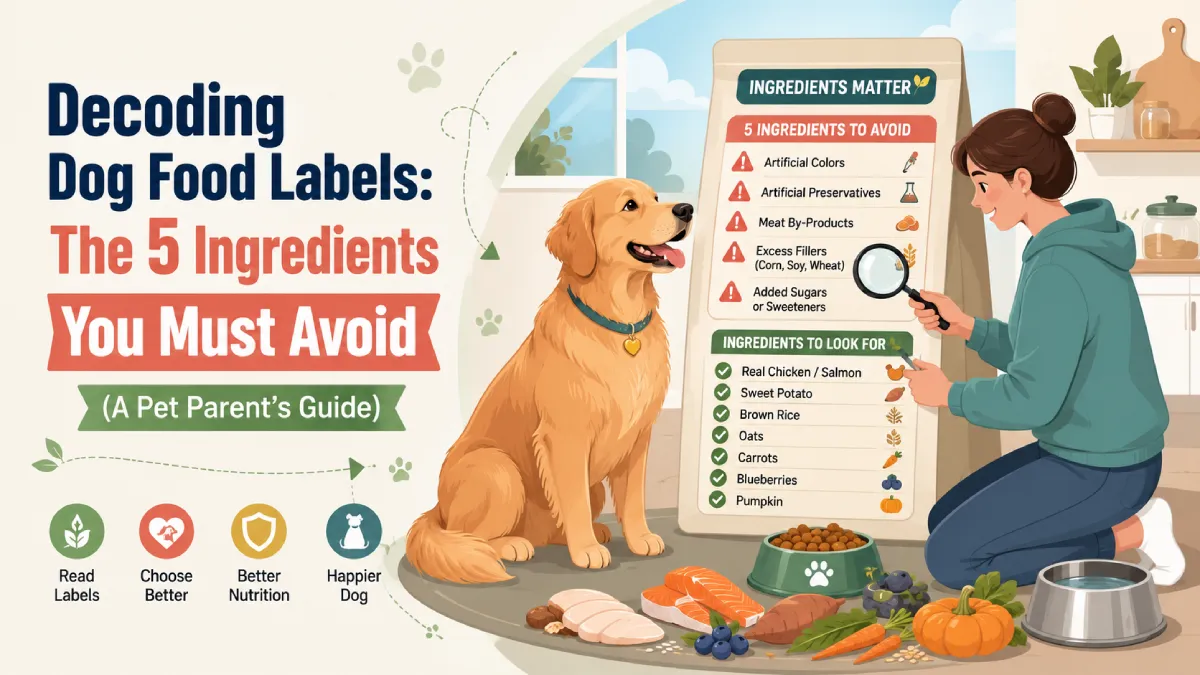
Manufacturers utilizing heavy chemical preservation often rely on synthetic agents such as butylated hydroxyanisole, butylated hydroxytoluene, and ethoxyquin. These compounds are powerful synthetic antioxidants designed to halt lipid oxidation and extend shelf life indefinitely. Regulatory agencies permit their use within specific concentration limits, but independent toxicological studies have raised serious questions regarding their long-term accumulation in animal tissues. Chronic exposure to these industrial additives has been linked in various studies to hepatic stress, endocrine disruption, and potential carcinogenic activity in small mammals. When evaluating packaging, look for natural preservatives like vitamin E or rosemary extract instead of these controversial chemical agents. If you are also researching early developmental nutrition, reviewing guidance on [how to choose the right puppy] can provide additional context on selecting clean, wholesome formulas.
Unnamed Meat Meals and Anonymous By-Products
Protein quality serves as the cornerstone of canine wellness, dictating everything from coat condition to immune resilience. Unfortunately, not all protein sources listed on packaging panels offer equal biological value. Vague terminology often conceals inferior animal tissues that fail to meet high nutritional standards.
The Distinction Between Named Proteins and Generic Slurries
A high-quality formulation typically begins with a named slaughterhouse meat, such as deboned chicken, lamb, or specific meat meals like venison meal. When an ingredient panel lists anonymous terms like “meat meal,” “animal fat,” or “meat by-products” without identifying the specific animal species, quality control becomes entirely compromised. Anonymous proteins can originate from 4-D animals—those arriving at processing plants dead, dying, disabled, or diseased—as well as unspecified restaurant grease traps or rendered shelter animals. This lack of traceability means pets with food sensitivities or allergies face a severe risk of adverse reactions because handlers cannot identify the protein source. Prioritizing specified ingredients ensures complete transparency regarding what enters your pet’s digestive tract.
Artificial Colors and Synthetic Dyes
Dogs possess a dichromatic vision system, meaning they perceive colors primarily in shades of blue and yellow while remaining largely red-green colorblind. Consequently, vibrant red, green, and orange kibbles serve absolutely no visual purpose for the animal consuming them.
Why Visual Additives Appeal to Humans, Not Canines
Synthetic food dyes such as Red 40, Yellow 5, Yellow 6, and Blue 2 are incorporated into commercial pet products solely to manipulate human perception. Brightly colored kibbles create an illusion of culinary variety, mimicking human stews or garden vegetables to appeal to prospective buyers in the supermarket aisle. Unfortunately, these synthetic coal-tar derivatives offer zero nutritional value and have been directly associated with allergic hypersensitivity, skin irritations, and behavioral hyperactivity in sensitive canines. Eliminating artificially dyed formulas from your shopping cart protects your pet from unnecessary chemical burdens. For guidance on structuring balanced daily routines and positive reinforcement rewards, consult resources on [positive reinforcement dog training].
Low-Quality Cheap Fillers and Grain Fractions
To reduce production costs, mass-market manufacturers often substitute expensive animal proteins with inexpensive plant-based fractions and industrial milling waste. While wholesome grains can provide valuable fiber and carbohydrates, isolated grain fractions and dense plant glutens act as cheap ballast.
Dissecting Corn Gluten Meal and Wheat Middlings
Ingredients like corn gluten meal, wheat middlings, and soy flour are heavily processed industrial by-products utilized to artificially boost crude protein percentages on guaranteed analysis panels. Because plant proteins lack the complete amino acid profiles required by carnivorous canines, these cheap fillers offer poor biological utilization. Furthermore, heavy reliance on dense carbohydrate fractions can trigger gastrointestinal upset, chronic flatulence, and systemic inflammation in dogs sensitive to specific agricultural commodities. Selecting foods featuring whole, recognizable food sources ensures your dog receives bioavailable nourishment rather than processed agricultural waste.
Daily Care Tip: Maintain a dedicated measuring scoop to ensure your pet’s daily caloric intake remains strictly controlled, preventing gradual weight gain that can strain developing joints and overall [puppy health and wellness].
Propylene Glycol and Chemical Humectants
Soft-moist pouches and semi-moist kibbles require specialized chemical agents to maintain a pliable, meat-like texture without spoiling or drying out on store shelves. The most concerning humectant utilized in pet products is propylene glycol, a synthetic organic compound closely related to industrial antifreeze.
Moisture Retention Agents in Semi-Moist Foods
While food-grade propylene glycol is legally permitted in dog foods at restricted levels, it has been banned in feline diets due to its propensity to cause Heinz body anemia in cats. Although dogs process propylene glycol more efficiently than cats, continuous ingestion still places unnecessary metabolic stress on internal organs. High concentrations can cause central nervous system depression and mild hemolytic changes over extended periods. Opting for traditional dry kibbles or premium canned diets naturally eliminates the need for these chemical humectants. For behavioral insights and tips on monitoring how dietary changes affect daily temperament, explore guidance on [understanding dog behavior].
Spotting Red Flags: Common Marketing Traps on Packaging
Interpreting ingredient panels requires looking past deceptive front-label imagery and buzzwords designed to create an aura of holistic health. Manufacturers frequently engage in “ingredient splitting,” a practice where different forms of a single cheap component—such as ground yellow corn, corn flour, and corn gluten meal—are listed separately to push them further down the ingredient hierarchy. This trick makes the formula appear more meat-heavy than it truly is, even though corn dominates the total dry weight.
Natural Buzzwords Versus Certified Organic Formulations: The term “natural” is frequently plastered across pet food bags, yet regulatory definitions remain surprisingly loose. In many jurisdictions, “natural” simply means the product has not been chemically synthesized, allowing manufacturers to include low-grade ingredients derived from factory-farmed livestock under a reassuring banner. True quality requires looking past front-panel promises and diving straight into the fine-print ingredient list. Learning to evaluate actual components rather than relying on emotional marketing ensures your purchasing decisions directly benefit your animal’s physical vitality.
Frequently Asked Questions
- What does the term “meat meal” mean on a dog food label? Meat meal refers to a rendered product where animal tissues are cooked down to remove moisture and fat, resulting in a concentrated protein powder. When the animal source is explicitly named, such as chicken meal or beef meal, it provides a highly concentrated and nutritious protein source.
- Are grain-free diets automatically healthier than grain-inclusive options? No, grain-free diets are not inherently superior or safer for all dogs. Unless a specific veterinary allergy diagnosis requires eliminating grains, wholesome grains like brown rice, oats, and barley provide valuable fiber, vitamins, and sustained energy.
- How can I tell if a pet food ingredient list has been split? Ingredient splitting occurs when a single ingredient type, such as various potato products or corn derivatives, is broken down into multiple smaller sub-categories to lower its numerical rank on the label, making meat appear higher up than it actually is.
- Is it necessary to consult a veterinarian before changing my dog’s diet? Consult a veterinarian before transitioning your dog to a new diet, particularly if your pet has underlying health conditions, chronic digestive sensitivities, or specific nutritional requirements.
- Why do some commercial foods list multiple sources of sugar? Low-quality manufacturers sometimes add sugars like cane molasses, corn syrup, or sucrose to enhance palatability in unpalatable formulas, which can contribute to canine obesity, dental decay, and metabolic stress.
- What is the best way to transition my dog to a higher-quality food? Transition your dog over a 7-to-10-day window by gradually blending increasing proportions of the new formulation with decreasing amounts of the old food to prevent acute digestive upset.