
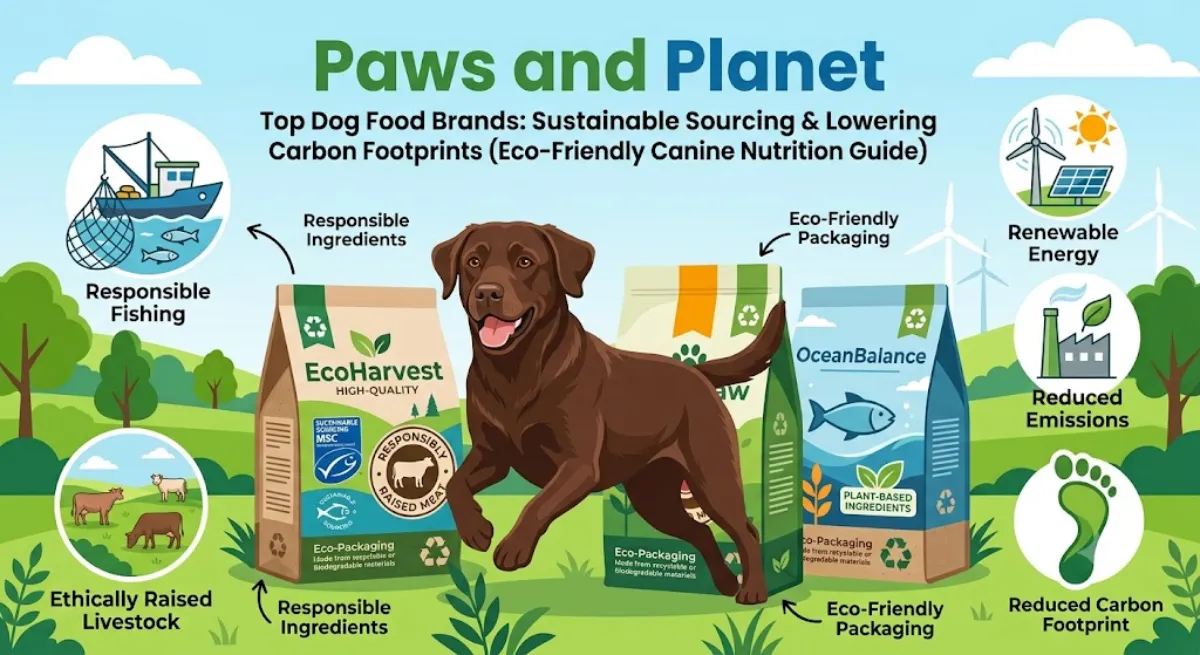
Top Dog Food Brands Focused on Sustainable Sourcing & Lowering Carbon Footprints (Sustainable Dog Food Brands)
Feeding a household dog requires balancing optimal nutritional health against the ecological toll of livestock farming and industrial manufacturing. Many devoted pet parents searching for ways to minimize environmental impact often overlook how much land, water, and energy go into traditional kibble production. Selecting sustainable dog food brands provides a practical way to align your pet’s diet with your conservation values. Understanding the mechanics of a high dog food carbon footprint allows you to make informed dietary choices that support ethical agriculture and resource conservation. This guide examines innovative protein sources, regenerative farming practices, and packaging innovations that define eco-conscious canine nutrition. Read on to learn how to evaluate corporate sustainability claims and choose wholesome meals that nourish your dog while protecting the planet.
Finding the right match requires balancing aesthetic appeal with practical functionality. By reviewing the linguistic roots and cultural significance behind these words, you can confidently assign a moniker that honors your dog’s unique personality.
The Environmental Impact of Conventional Pet Food Manufacturing
Modern pet food production relies heavily on global supply chains that demand vast agricultural resources, contributing significantly to global greenhouse gas emissions. Analyzing how traditional kibble moves from farm to bowl reveals the hidden ecological costs of mass-market pet nutrition.
Greenhouse Gas Emissions and Livestock Agriculture
The meat proteins foundational to most commercial dog foods—primarily beef, lamb, and conventional poultry—generate substantial methane and carbon dioxide emissions during raising, processing, and transportation. Cattle ranching, in particular, requires enormous swaths of land for grazing and feed crop cultivation, driving deforestation and habitat destruction. Producing a single bag of animal-protein-heavy kibble consumes thousands of gallons of water and expends fossil fuels across international shipping networks. Recognizing these agricultural impacts helps handlers understand why rethinking canine diets matters for global climate stability.
Packaging Waste and Single-Use Plastics in Pet Aisles
Beyond agricultural sourcing, the physical packaging of pet food creates a severe municipal waste dilemma. Traditional multi-wall paper bags laminated with plastic liners or non-recyclable foil pouches cannot be processed through standard curbside recycling programs. Consequently, millions of empty pet food bags accumulate inside landfills every single year, persisting for centuries without breaking down. Transitioning to brands that utilize mono-material or biodegradable packaging significantly reduces household plastic waste.
Practical Step: Review your current pet food packaging for recycling symbols and local municipal drop-off instructions to minimize landfill contributions. When introducing sustainable dietary options to young animals, reviewing foundational advice in our guide on [how to choose the right puppy] helps establish responsible habits early.
Alternative Proteins: Insect-Based Nutrition and Upcycled Ingredients
To combat the massive land and water footprints associated with traditional livestock, progressive pet food companies are pioneering novel protein sources that deliver complete amino acid profiles with minimal environmental strain.
The Nutritional Efficacy of Insect Protein for Dogs
Insect-based formulations utilizing black soldier fly larvae offer a remarkable nutritional profile rich in digestible proteins, healthy fats, and essential micronutrients. Raising insects requires a fraction of the land, water, and feed compared to cattle or pigs, while generating virtually zero methane gas. Furthermore, insect protein is naturally hypoallergenic, making it an exceptional dietary choice for dogs suffering from common food sensitivities. This sustainable protein source provides all ten essential amino acids required for canine vitality without depleting natural ecosystems.
Upcycled Human-Grade Foods Reducing Food Waste
Another innovative approach in eco-conscious manufacturing involves utilizing upcycled surplus produce and meat trimmings that would otherwise be discarded by commercial human food supply chains. By salvaging imperfect carrots, nutrient-dense organ meats, and surplus grains from regional farms, manufacturers reduce food waste while creating nutrient-rich pet meals. This circular economic model honors the energy expended to grow crops by ensuring every harvest reaches a functional purpose.
Regenerative Agriculture and Ethically Sourced Meat Standards
When pet foods do incorporate traditional meat proteins, sourcing from farms practicing regenerative agriculture transforms livestock production from an environmental liability into a restorative tool.
Soil Health and Carbon Sequestration Through Grazing
Regenerative ranching utilizes holistic livestock management, such as rotational grazing, where herds mimic wild migration patterns across pastures. This intentional movement stimulates plant growth, enhances root depth, and encourages soil microbes to pull carbon dioxide out of the atmosphere and store it securely underground. Brands partnering with regenerative ranches ensure that the meat in their recipes actively contributes to soil restoration and biodiversity recovery.
Certifications That Verify Ethical Animal Welfare
Verifying corporate sustainability claims requires looking for rigorous third-party certifications rather than trusting ambiguous marketing terminology on product labels. Certifications like Certified Humane, Global Animal Partnership, and Animal Welfare Approved guarantee that livestock lived natural lives with adequate space and humane treatment. These standards ensure that ethical considerations extend from the pasture all the way to your dog’s food bowl. For ongoing health and wellness tracking during dietary transitions, review our guide on [puppy health and wellness].
Feeding Reminder: Transition to novel proteins or eco-friendly formulations gradually over a ten-day period by mixing increasing proportions with current food to prevent digestive upset.
Evaluating Recyclable Packaging and Zero-Waste Initiatives
A truly sustainable nutrition program must account for how products are contained, shipped, and disposed of once the food has been consumed.
The Mechanics of Mono-Material Packaging Films
Traditional pet food bags combine layers of plastic, foil, and paper fused together with chemical adhesives, rendering them chemically impossible to recycle economically. In response, forward-thinking companies are adopting mono-material packaging constructed from a single type of recyclable polymer film. These advanced bags can be deposited into specialized store-drop recycling bins, keeping packaging materials out of municipal landfills and within active circular recovery streams.
Corporate Carbon-Neutral Commitments and Offset Verification
Leading companies measure their total operational footprint—from agricultural sourcing and factory assembly to distribution and shipping—and neutralize remaining emissions through verified carbon offset projects. These initiatives invest in renewable energy development, reforestation programs, and methane capture technologies. When evaluating brands with sustainable pet food, look for verified B-Corporation status or transparent annual impact reports detailing their carbon reduction milestones.
Veterinary Perspectives on Eco-Conscious Canine Diets
As consumer demand for ethically sourced dog food rises, veterinary professionals emphasize that environmental ideals must never compromise canine physiological health.
Nutritional Completeness and AAFCO Compliance
Every meal fed to a domestic dog must meet strict nutritional adequacy standards established by the Association of American Feed Control Officials to prevent deficiencies. Eco-friendly formulations must provide the exact balance of proteins, fats, vitamins, and minerals necessary to support bone density, organ function, and immune resilience. Consulting a licensed veterinarian ensures that any new diet aligns with your dog’s specific life stage and medical history.
Navigating Dietary Sensitivities With Sustainable Ingredients
Switching to novel proteins like insect meal or plant-forward recipes can sometimes trigger initial digestive adjustments in dogs accustomed to poultry or beef. Introducing these ingredients slowly allows the gastrointestinal microbiome to adapt without causing acute discomfort. To understand how dietary changes influence overall indoor behavior, explore guidance in [understanding dog behavior].
Before You Begin: Audit manufacturer websites for independent supply chain audits and third-party certifications rather than relying on ambiguous marketing slogans.
Frequently Asked Questions
- Are insect-based proteins nutritionally complete for adult dogs? Yes, high-quality black soldier fly larvae formulations provide all essential amino acids, minerals, and healthy fats required to meet complete and balanced nutritional standards.
- How can I verify if a pet food brand’s sustainability claims are legitimate? Look for verifiable third-party certifications like B-Corporation status, Certified Humane labels, and transparent supply chain disclosures on the manufacturer’s official website.
- Do sustainable dog food brands cost significantly more than conventional kibble? Eco-friendly manufacturing, regenerative sourcing, and recyclable packaging often incur higher production costs, resulting in a moderately higher price point compared to mass-market commercial foods.
- Can dogs with severe food allergies benefit from eco-friendly protein sources? Novel proteins like insect meal or sustainably farmed rabbit are frequently utilized in hypoallergenic elimination diets because they are less common allergens for sensitive dogs.
- What is the most eco-friendly way to store dry dog food? Store kibble in airtight glass or stainless steel containers rather than disposable plastic bins, preserving freshness while eliminating single-use plastic exposure.
- Are compostable pet food bags currently available on the market? While some brands utilize compostable materials for sample packets or treats, large dry kibble bags require heavy-duty moisture barriers that remain challenging for current home-composting standards.
Conclusion
Transitioning your canine companion to meals from sustainable dog food brands represents a meaningful step toward reducing household environmental impact without ever compromising nutritional quality. By prioritizing novel insect-based proteins, regenerative agricultural practices, and innovative recyclable packaging, conscious pet parents can actively support ethical food systems globally. Evaluating corporate transparency and verified third-party certifications ensures your purchasing decisions genuinely benefit the planet and promote animal welfare. Take the next practical step today by auditing your current pet food brand’s sourcing disclosures and researching certified eco-conscious alternatives available in your region to support a greener future, actively reducing pet food environmental impact through eco friendly dog food sourcing.