5 Ways to Reduce Dog Environmental Impact: Sustainable Pet Care Tips & Eco-Friendly Habits (Green Canine Guide)
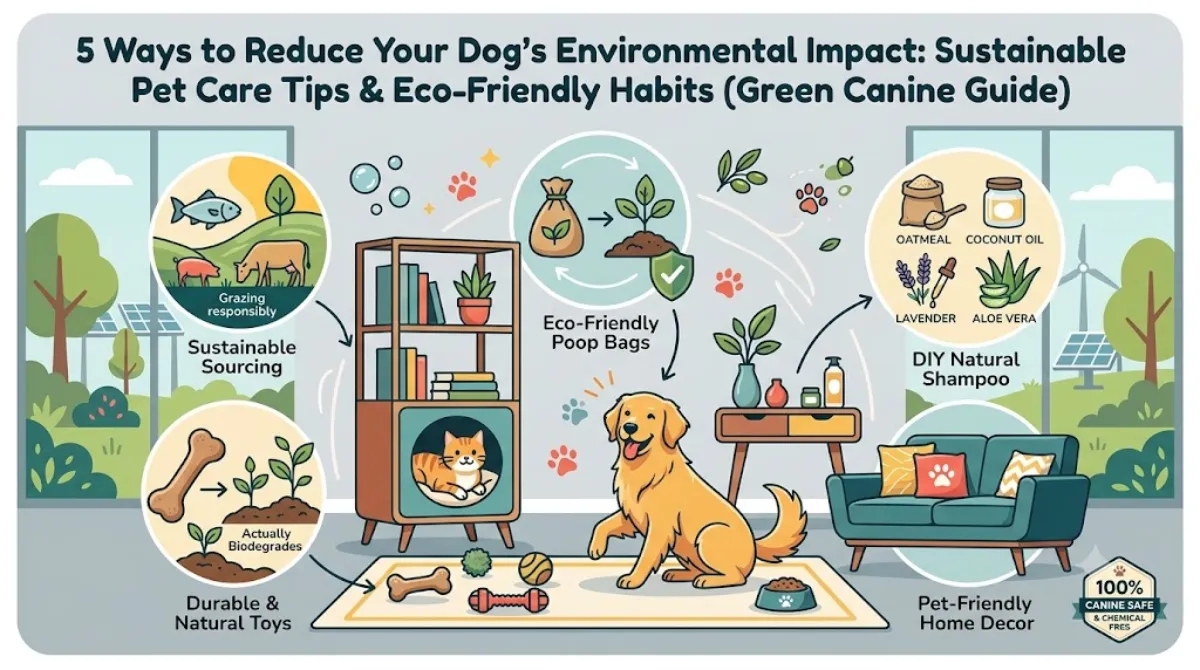
Sharing your home with a canine companion brings boundless joy, but it also generates a significant ecological footprint through daily food consumption, waste disposal, and plastic toy manufacturing. Many dedicated handlers search for practical eco-friendly dog care tips to minimize their household footprint without compromising their pet’s health. To successfully reduce dog environmental impact, owners must examine every facet of daily pet management, from agricultural sourcing to waste collection. This comprehensive guide outlines five actionable strategies to lower your dog’s carbon footprint through sustainable nutrition, certified compostable waste management, non-toxic natural equipment, and eco-conscious grooming habits.
Transitioning Canine Diets Toward Regenerative Agriculture and Novel Proteins
Modern pet nutrition relies heavily on industrial livestock farming, which accounts for extensive land clearing, water consumption, and methane emissions. Rethinking what fills your dog’s bowl represents the single most effective adjustment you can make toward achieving sustainable pet ownership habits.
The Ecological Advantage of Alternative Insect Proteins
Traditional beef and lamb production demands enormous agricultural resources, whereas novel proteins like black soldier fly larvae require a fraction of the land and water. Raising insects generates virtually zero greenhouse gas emissions and utilizes organic food waste streams for feed. Furthermore, insect meal provides a complete amino acid profile and serves as a natural hypoallergenic protein for sensitive dogs. Embracing these alternative nutrition options reduces pressure on global fisheries and industrial cattle ranches.
Sourcing Meats From Regenerative Ranching Networks
When feeding animal protein, selecting brands that partner with regenerative ranches transforms livestock management into an ecological asset. Regenerative agriculture utilizes rotational grazing to stimulate deep root growth, allowing soil microbes to sequester atmospheric carbon dioxide into the earth. These farming practices restore degraded topsoil, enhance biodiversity, and ensure high standards of animal welfare. Verifying farm-to-bowl transparency guarantees that your pet’s meals actively contribute to land restoration. When establishing long-term nutritional routines for growing canines, reviewing foundational advice in our guide on [how to choose the right puppy] helps establish responsible habits early.
Practical Step: Transition your dog to novel or regenerative proteins gradually over a ten-day period by blending increasing proportions with their current food to avoid digestive distress.
Replacing Single-Use Plastics With Certified Compostable Waste Bags
Daily walks require consistent waste collection, but using traditional polyethylene bags contributes millions of non-decomposable petroleum plastics to municipal landfills every day. Upgrading your waste collection routine is an essential pillar of a green pet care guide.
The Hidden Dangers of Petroleum-Based Polyethylene Bags
Standard commercial poop bags are manufactured from fossil fuels and designed to resist breakdown, ensuring they remain intact inside anaerobic landfills for centuries. Even worse, inexpensive green-tinted bags often utilize oxo-degradable chemical additives that shatter into invisible microplastics rather than biodegrading at a molecular level. These microscopic fragments infiltrate soil ecosystems and water tables, causing long-term environmental damage. Eliminating petroleum plastics from your daily walk routine prevents persistent waste accumulation.
Identifying True Compostable Standards and Certifications
Sustainable waste management requires switching to certified compostable bags manufactured from renewable plant starches like corn, cassava, or vegetable resins. Look for explicit compliance with recognized testing benchmarks such as ASTM D6400, which guarantees the film breaks down completely into organic biomass within industrial composting facilities. While municipal waste rules often require bagging dog waste for sanitary landfills, using plant-based bags ensures that the material itself avoids petroleum refining entirely. When training your dog to walk calmly without frantic pulling during daily clean-up routines, consult resources on [positive reinforcement dog training].
Safety Reminder: Store unused plant-based waste bag rolls in a cool, dark cupboard away from excessive humidity to prevent premature moisture breakdown before use.
Investing in Durable Natural Rubber Toys and Upcycled Equipment
The commercial pet toy market overflows with cheap vinyl squeakers and brittle plastic bones that fracture easily and end up in household trash bins within weeks. Curating long-lasting play equipment protects both wildlife and household budgets.
Swapping Fragile Synthetics for 100% Botanical Rubber
Natural botanical rubber harvested sustainably from rubber tree sap offers exceptional resilience against powerful canine jaws. Unlike rigid plastics that shatter into sharp shards, vulcanized rubber indents under pressure and immediately rebounds to its original shape. These durable chews withstand aggressive play without releasing harmful chemical plasticizers or microplastic particles into the environment. Selecting heavy-duty rubber items provides years of safe entertainment while minimizing manufacturing waste.
Curating Second-Hand Gear and Upcycled Accessories
Manufacturing new collars, leashes, and harnesses expends significant textile energy and water resources. Exploring second-hand pet supply markets, local shelter swaps, or brands utilizing upcycled sailcloth and climbing ropes extends the lifecycle of existing materials. Giving durable accessories a second home reduces industrial textile demand and keeps functional gear out of local waste streams. For ongoing wellness tracking and developmental milestones, review our guide on [puppy health and wellness].
Daily Care Tip: Inspect your dog’s rubber toys weekly for signs of wear and tear, washing them in warm soapy water to maintain hygiene and longevity.
Adopting Eco-Friendly Grooming Practices and Botanical Washes
Routine grooming maintains skin and coat health, but commercial shampoos often contain synthetic detergents, artificial fragrances, and harsh chemical preservatives that wash down household drains into municipal water systems.
Formulating Chemical-Free Washes With Biodegradable Surfactants
Commercial pet shampoos frequently rely on petroleum-derived surfactants and artificial foaming agents that disrupt natural skin pH and pollute waterways. Transitioning to natural botanical washes utilizing biodegradable Castile soap bases, colloidal oatmeal, and organic aloe vera cleanses coats gently without chemical toxicity. These plant-derived ingredients break down harmlessly in the environment, protecting aquatic ecosystems from synthetic residue buildup. Crafting homemade washes or purchasing certified organic grooming products ensures sustainable hygiene.
Water Conservation Techniques During Bath Time
Bathing a large dog can consume substantial volumes of water if taps run continuously throughout the washing and rinsing process. Implementing water-saving techniques—such as filling a basin for initial wetting, turning off taps while lathering, and utilizing a handheld shower nozzle with a shut-off valve—reduces household water waste. Efficient washing practices conserve precious municipal resources while keeping bath time calm and controlled. To understand how environmental changes influence animal behavior during grooming, explore guidance in [understanding dog behavior].
Vet Check: Schedule a professional veterinary examination if your dog develops persistent skin irritation or flaking following a grooming product transition.
Curating Sustainable Accessories and Minimizing Material Clutter
Impulse purchases of seasonal pet apparel, decorative collars, and novelty gadgets contribute directly to overconsumption and unnecessary manufacturing emissions. Streamlining your pet accessory inventory promotes a zero-waste lifestyle.
Avoiding Rapidly Outgrown Pet Apparel and Fast Fashion
Miniature sweaters, holiday costumes, and delicate fabric harnesses often fit a growing puppy for only a few weeks before becoming obsolete. Purchasing short-lived pet apparel drives unnecessary textile manufacturing and creates immediate landfill waste. Focusing investments on multi-season, adjustable, high-quality gear prevents accumulation and reduces textile manufacturing demand.
Embracing Circular Pet Care Economies and Repair Culture
Instead of discarding damaged leashes or dog beds with minor zipper failures, adopt a repair-first mindset by mending seams, replacing broken hardware, or repurposing old towels into drying mats. Supporting brands that offer lifetime warranties and repair services ensures that products remain in active circulation for years. Fostering a circular mindset within your household minimizes purchasing frequency and honors the raw materials used in pet product manufacturing.
Pet Owner Note: Audit your pet accessory bin seasonally, donating gently used items to local animal shelters rather than throwing them into household trash.
Frequently Asked Questions
- How does owning a dog impact global carbon emissions compared to human consumption? Livestock agriculture required to feed domestic dogs generates significant greenhouse gas emissions, making sustainable protein choices and portion management vital for climate health.
- Can dog waste be composted safely in a backyard garden setup? Backyard compost piles rarely reach the extreme temperatures necessary to destroy pathogens in carnivore feces, meaning dog waste should be managed through municipal waste streams.
- Are plant-based poop bags truly better for the environment than traditional plastic? Certified plant-based bags replace petroleum extraction with renewable starches and break down safely in industrial composting facilities without creating persistent microplastics.
- What is the most eco-friendly way to dispose of old, worn-out pet toys? Check if local recycling facilities accept rigid plastics or natural rubber, or repurpose intact fabric sections into cleaning rags rather than sending them straight to landfills.
- Do eco-friendly dog food brands cost significantly more than conventional alternatives? Sustainable sourcing and regenerative agriculture incur higher production costs, leading to a moderately higher retail price point compared to mass-market commercial foods.
- How can I reduce water waste during home grooming sessions? Turn off water taps while lathering shampoo, use a concentrated spray nozzle, and collect rinse water where possible to minimize unnecessary runoff.
Conclusion
Reducing your companion’s ecological footprint does not require sacrificing quality care; rather, it invites thoughtful adjustments to daily nutrition, waste management, and accessory selection. By embracing sustainable proteins, certified compostable waste bags, durable natural rubber toys, and eco-friendly grooming practices, you actively lower your dog carbon footprint. Implementing these green habits fosters a cleaner environment while ensuring your pet lives a healthy, vibrant life. Take the next practical step today by auditing your current waste bag supply and transitioning to certified plant-based alternatives on your next outing.