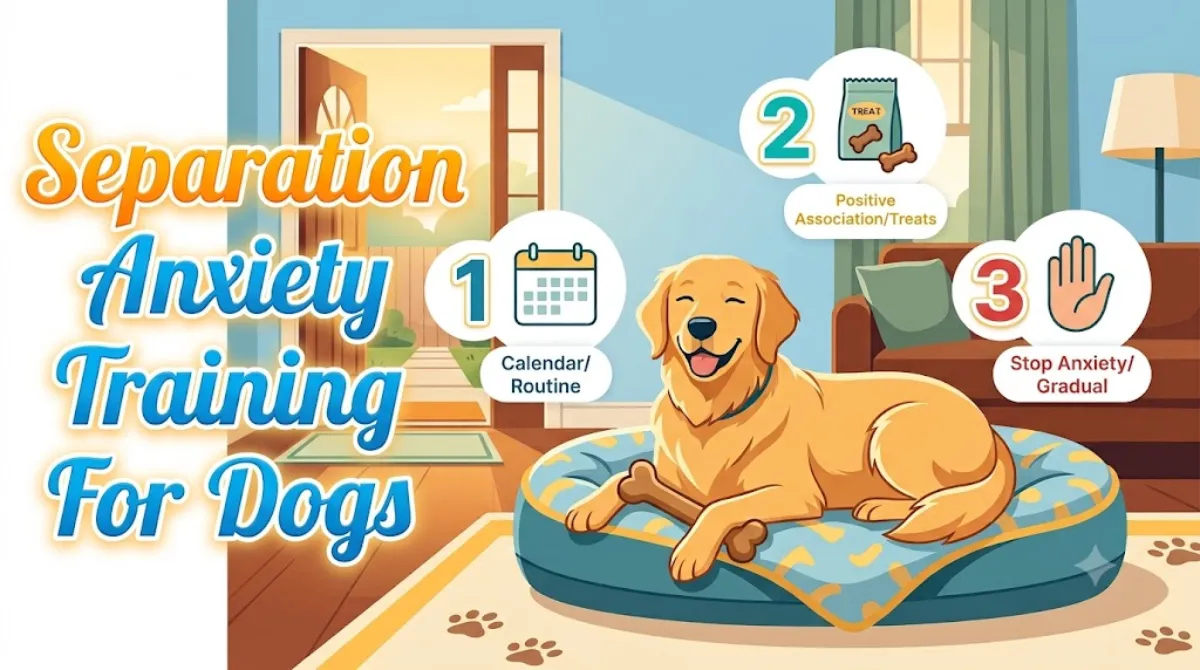
Separation Anxiety Training For Dogs: Step by Step Training Plan
Remote work offers wonderful flexibility for pet parents, but sharing every waking hour with a companion can inadvertently foster intense emotional reliance. When your dog panics the moment you step away from your desk, implementing structured separation anxiety training for dogs becomes essential to restore household harmony. Many remote employees struggle with WFH dog separation anxiety, watching helplessly as their dogs scratch doors or vocalize during brief departures. This guide explores a systematic, positive approach to help your companion build emotional resilience. By establishing clear boundaries, desensitizing departure triggers, and practicing gradual independence protocols, you can teach your dog to feel safe and secure even when you are out of sight.
Finding the right match requires balancing aesthetic appeal with practical functionality. By reviewing the linguistic roots and cultural significance behind these words, you can confidently assign a moniker that honors your dog’s unique personality.
Understanding the Remote Work Paradox and Canine Dependence
The shift toward home-based professions created a unique sociological environment for domestic animals. While pets love having their humans around continuously, this constant proximity often blurs natural boundaries and prevents the development of healthy coping mechanisms.
The Hidden Trap of Constant Proximity
When an owner spends twenty-four hours a day within arm’s reach of their dog, the animal rarely experiences solitude. Over months or years, this unbroken companionship establishes an expectation that human presence is a permanent, guaranteed baseline. When the routine shifts—such as a sudden grocery run or a return to an office—the sudden absence triggers an overwhelming panic response. Understanding how this hyper-attachment develops is the first step toward correcting it. For foundational insights into behavioral development.
Recognizing Sub-Threshold Panic Signals
True separation distress rarely begins with frantic howling at the front door; it often starts with subtle, sub-threshold physiological indicators. An affected dog may follow their owner from room to room religiously, exhibit sudden changes in respiration when shoes are put on, or wake up instantly whenever the desk chair creaks. Identifying these early warnings allows handlers to intervene before full-blown panic sets in.
Pet Owner Note: Record a fifteen-minute video of your dog while you step into another room to observe their immediate body language, noting whether they remain relaxed or display pacing and whining.
Establishing Independence Protocols While Working Remotely
Breaking the cycle of constant shadowing requires deliberate spatial management inside the home office. Teaching your dog that they do not need to monitor your every movement builds crucial emotional security.
Designated Safe Zones Versus Constant Clinging
Encouraging your dog to rest in a comfortable bed or crate located a few feet away from your primary workspace fosters autonomy. Instead of allowing them to sleep directly across your feet or lean against your chair, use positive reinforcement to reward calm behavior on their designated mat. This physical separation teaches them that resting independently is safe and rewarding.
Creating Physical Boundaries Inside the Home Office
Utilizing baby gates or pen panels within your workspace allows your dog to see you while preventing them from touching you constantly. This moderate barrier helps bridge the gap between complete freedom and isolated confinement. By maintaining visual contact while restricting physical access, you reduce their dependence on tactile reassurance during working hours.
Designing a Step-by-Step Desensitization Plan
True behavioral rehabilitation requires a methodical desensitization protocol that operates entirely below your dog’s panic threshold. Rushing this process will only trigger regression.
Identifying Your Dog’s Unique Stress Thresholds
Every dog possesses a specific tipping point where calm observation turns into anxious pacing. Your training plan must map out these thresholds precisely. If your dog remains relaxed when you touch the doorknob but panics the moment the latch clicks, your starting point must be just touching the handle without turning it. Keeping sessions short prevents cortisol accumulation in the bloodstream.
Micro-Absences and Counter-Conditioning Departure Cues
Counter-conditioning involves changing your dog’s emotional association with typical departure cues, such as picking up keys, grabbing a jacket, or putting on work shoes. Perform these actions repeatedly throughout the day without actually leaving the house until your dog stops reacting to them. Once desensitized to departure triggers, introduce micro-absences—stepping out of sight for two seconds and returning before any whining begins. Gradually extend these intervals over weeks of consistent practice.
Safety Reminder: Never punish a dog for distressed behaviors like accidents or vocalizations upon your return, as punishment increases anxiety and damages trust.
Practical Exercises for Independent Play and Confidence
Building self-reliance requires giving your dog engaging mental tasks that they can accomplish entirely on their own without human intervention.
Fostering Solo Engagement Through Puzzles
Interactive food-dispensing toys, snuffle mats, and textured silicone trays offer wonderful outlets for solo exploration. Provide these high-value enrichment items in your dog’s designated resting zone while you remain seated at your desk. This encourages them to focus on a problem-solving task independently while you are physically present in the room.
Managing Cortisol Levels and Rest Periods
Dogs require significant amounts of daily rest to maintain emotional stability, yet anxious pets often struggle to settle down naturally. Establishing scheduled quiet times where your home office goes dark and quiet helps regulate their nervous system. Ensuring your dog receives adequate physical exercise before training sessions ensures they have burned off excess adrenaline.
Addressing Severe Panic and Knowing When to Seek Professional Support
While mild clinginess responds well to basic boundary training, clinical separation distress requires specialized veterinary and behavioral intervention.
Differentiating Boredom From True Separation Distress
True panic involves severe autonomic responses, including excessive salivation, self-inflicted paw trauma from scratching doors, frantic howling, and complete refusal of food or water when left alone. Mild boredom, by contrast, manifests as casual chewing or occasional whining that resolves quickly once an alternative toy is provided. Recognizing the severity of the condition ensures you apply the correct level of intervention.
Veterinary Behaviorists and Pharmaceutical Support
In severe cases where a dog’s cortisol levels remain perpetually elevated, training alone may prove insufficient to lower their emotional threshold. Consulting a licensed veterinarian or a certified veterinary behaviorist opens the door to supportive medical options, such as temporary anti-anxiety medications. These pharmaceutical tools lower chemical arousal in the brain, allowing step by step dog anxiety training protocols to take effect successfully.
Vet Check: Schedule a professional veterinary consultation if your dog displays destructive panic responses or self-injury during brief absences, as clinical anxiety often requires medical management.
Frequently Asked Questions
- How long does it typically take to resolve separation anxiety in dogs? Progress depends entirely on the severity of the condition; mild cases may improve within weeks, while severe clinical distress can require several months of consistent, daily desensitization work.
- Should I crate my dog while working on separation training? If your dog experiences severe confinement panic inside a kennel, using a crate can exacerbate anxiety; instead, confine them to a secure room or a safe exercise pen.
- Is it best to say goodbye or make a big fuss when leaving the house? Always keep departures and arrivals completely low-key and uneventful to avoid signaling that your movement is an emotionally significant event.
- Can another pet in the household cure separation anxiety? While companion animals provide general comfort, a dog with true separation distress is specifically panicked by the absence of their human owner, meaning another pet rarely solves the issue alone.
- What should I do if my dog regresses after a successful training session? Regression is completely normal; simply step back to an easier duration level where your dog remained calm and rebuild your pacing slowly over subsequent days.
- Are anti-anxiety supplements effective for remote work training? Natural calming supplements can provide mild support for borderline anxiety, but they should always be paired with structured desensitization protocols for lasting results.