
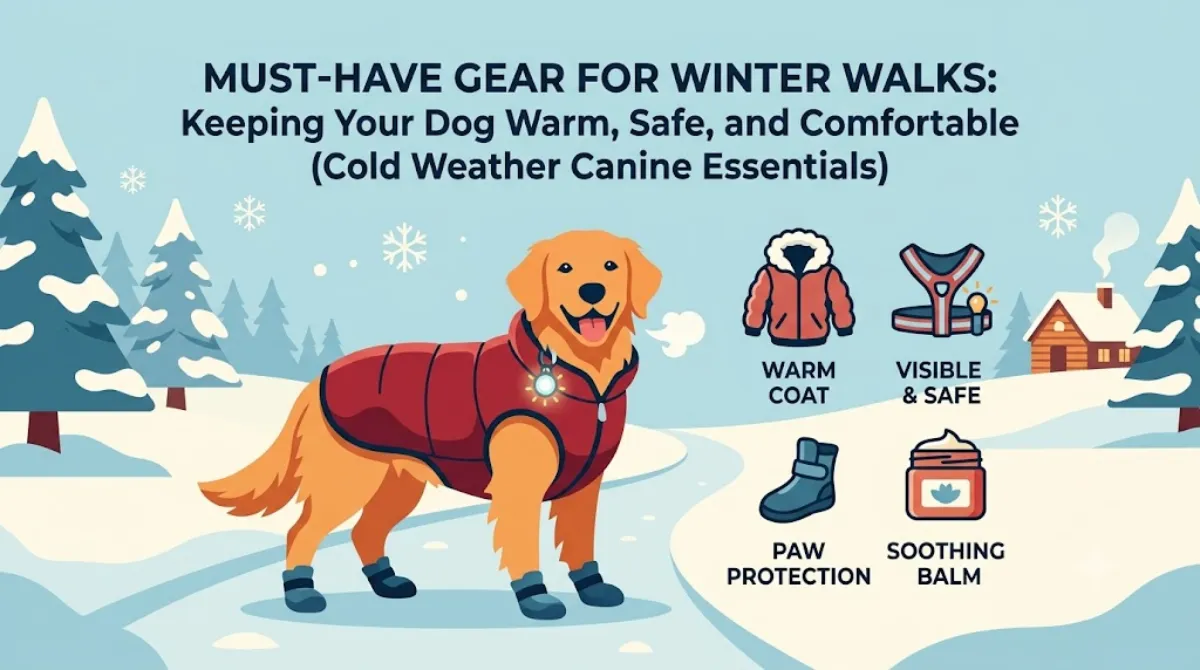
Must-Have Gear for Winter Walks: Keeping Your Dog Warm, Safe, and Comfortable (Winter Dog Walking Gear)
When freezing temperatures and snow blanket the neighborhood, maintaining your dog’s daily exercise routine requires specialized preparation and proper equipment. Sourcing reliable winter dog walking gear protects your pet from sub-zero winds, frostbite, and hazardous chemical ice melts. Many owners struggle to identify which pieces of cold weather gear for dogs are genuinely necessary versus marketing novelties. This comprehensive guide outlines the vital accessories required to ensure your canine companion stays warm, secure, and comfortable throughout the chilliest months of the year.
Finding the right match requires balancing aesthetic appeal with practical functionality. By reviewing the linguistic roots and cultural significance behind these words, you can confidently assign a moniker that honors your dog’s unique personality.
Understanding Canine Cold Tolerance and Physiological Vulnerabilities
Body composition, fur density, age, and health status dictate how well an individual animal handles freezing weather. While double-coated northern breeds thrive in snow, lean-bodied, short-haired, or senior dogs lose core body heat rapidly.
Coat Types, Body Fat, and Breed Differences in Winter
Canines with dense undercoats and thick guard hairs possess built-in thermal insulation that repels moisture and traps body heat. Conversely, toy breeds, greyhounds, and senior dogs lack sufficient fat reserves and fur density, making them prime candidates for cold weather stress. Understanding your specific breed’s limitations prevents dangerous overexposure during extended outdoor excursions.
Hypothermia and Frostbite Warning Signs in Low Temperatures
Prolonged exposure to freezing winds can cause dangerous drops in core body temperature, leading to shivering, lethargy, and muscle stiffness. Extreme cold also restricts blood flow to peripheral extremities like ears, tails, and paws, risking frostbite. Recognizing these vulnerabilities ensures handlers know when to cut a walk short and seek indoor shelter.
Essential Apparel: Selecting the Right Thermal Dog Coat
Dressing your dog in functional apparel provides an effective barrier against biting winds and sub-zero precipitation. Selecting appropriate clothing requires evaluating fabric performance, regional climate conditions, and your dog’s specific conformation.
Waterproof Outer Shells Versus Fleece-Lined Insulation
A high-performing coat typically combines a waterproof, wind-resistant nylon exterior with a breathable fleece lining to trap natural body heat. Waterproof outer shells prevent sleet and melting snow from soaking into the undercoat, keeping the skin dry and warm. Layering lightweight fleece underneath a rugged shell offers optimal warmth without adding excessive bulk.
Proper Fit and Coverage Requirements for Active Canines
A well-fitted coat must cover the neck down to the base of the tail without restricting shoulder movement or interfering with natural bathroom habits. Ill-fitting garments can cause chafing around the armpits or slide sideways during high-energy trotting. When preparing young animals for outdoor conditions, reviewing guidance in [how to choose the right puppy] helps establish positive associations with wearing apparel early.
Practical Step: Measure your dog’s chest girth, back length, and neck circumference with a soft tape measure before purchasing winter apparel to guarantee a snug, non-restrictive fit.
Paw Protection: Navigating Ice, Snow, and De-icing Salts
Winter walking introduces severe hazards for canine paws, ranging from ice accumulation between toes to chemical burns caused by municipal de-icing salts. Protecting your dog’s paw pads requires targeted topical barriers and protective footwear.
The Benefits and Application of Protective Paw Wax
Natural paw waxes create a breathable, water-repellent barrier that shields sensitive paw pads from abrasive salt crystals, chemical ice melts, and sharp ice crusts. Applying a thin layer before stepping outside prevents snow from balling up between the toes. This wax-based protection is ideal for dogs who refuse to wear traditional footwear.
Training Dogs to Accept and Wear Canine Booties
For urban environments heavily treated with chemical rock salt, protective canine booties offer the ultimate physical defense against harsh substances. Introducing boots requires patience, using positive reinforcement methods to help your dog adjust to the foreign sensation of footwear. For reward-based conditioning strategies, consult resources on [positive reinforcement dog training].
Nighttime Visibility and Low-Light Walking Safety
Short winter days mean that many routine dog walks occur during early morning darkness or late evening hours, dramatically reducing visibility for passing motorists. Equipping your dog with high-visibility accessories prevents tragic accidents in dim lighting.
Reflective Leashes and High-Visibility Harnesses: Integrating reflective stitching into leashes, collars, and harnesses ensures that headlights bounce back toward drivers from hundreds of feet away. Neon-colored nylon webbing also stands out sharply against gray pavement and snowy backdrops during twilight hours. Choosing gear with 360-degree reflective coverage maximizes safety from every angle.
LED Safety Collars and Illuminated Pendants: Active illumination provides superior visibility compared to passive reflection alone. Rechargeable LED collars or clip-on flashing lights attach easily to walking gear, casting a bright glow that tracks your dog’s movement in total darkness. Selecting multi-mode flashing or steady illumination adapts visibility to varying street lighting conditions.
Safety Reminder: Test the battery life of all LED safety accessories before embarking on evening walks to ensure the lights do not fade mid-journey in freezing temperatures.
Leash Mechanics, Traction, and Winter Handler Control
Icy sidewalks and snow-packed trails create slippery walking conditions that demand robust handler control and reliable leash mechanics. Managing traction prevents sudden falls for both humans and dogs.
Avoiding Retractable Leashes on Slippery Pavements: Retractable leashes offer zero reliable control on icy surfaces, allowing dogs to bolt onto slick roads or tangle handlers in thin cords. Switching to a fixed six-foot nylon or leather leash maintains direct communication and immediate tension control. This stability is critical when navigating unpredictable winter terrain.
Insulated Hands-Free Waist Leashes for Winter Excursions: Hands-free waist belts distribute pulling force across your core center of gravity, preventing sudden slips when walking on icy inclines. Combined with bungee shock-absorbers, these systems cushion sudden jolts if your dog slips on hidden patches of black ice. For ongoing wellness tracking, review our guide on [puppy health and wellness].
Post-Walk Care Protocols and Salt Removal
The journey does not end when you return indoors; proper post-walk maintenance protects your dog from lingering chemical irritants and frozen moisture. Establishing a dependable cleanup routine preserves skin and paw health all winter long.
Wiping Down Paws and Belly Fur After Outings
Keep a dedicated microfiber towel and a warm damp cloth near the entryway to wipe down paws, legs, and underbelly fur immediately upon entering the house. This removes toxic de-icing salt residues before your dog attempts to groom themselves. Thorough drying prevents damp fur from chilling against indoor drafts.
Managing Dry Skin and Cracked Paw Pads in Winter
Indoor heating combined with cold outdoor air can dehydrate canine skin and cause paw pads to crack. Massaging soothing, pet-safe balms into dry pads after cleaning restores moisture and elasticity. To understand how environmental stress affects overall demeanor, explore guidance on [understanding dog behavior].
Grooming Check: Trim long fur between your dog’s paw pads before winter sets in to minimize ice ball accumulation and snow clumping during outdoor exercise.
Frequently Asked Questions
- How do I know if my dog is too cold during a winter walk? Signs of extreme cold include persistent shivering, lifting paws off the ground, whining, hunched posture, and an unwillingness to keep walking.
- Are booties necessary for every dog in winter? Booties are not mandatory for every dog, but they are highly recommended for urban walks where sidewalks are treated with harsh chemical melting salts.
- How can I protect my dog from antifreeze poisoning? Keep your dog away from driveway puddles containing sweet-tasting leaked coolant, and wipe their paws immediately if they walk through questionable liquid spills.
- Can double-coated dogs get cold in freezing weather? While double-coated breeds handle cold temperatures well, extended exposure to sub-zero winds or wet snow can eventually penetrate their coats and cause hypothermia.
- What is the safest way to clean road salt off dog paws? Wash paws gently in lukewarm water using a mild pet shampoo, rinse thoroughly, and pat dry with a clean towel to remove all chemical residue.
- How long should winter walks be compared to summer walks? Winter walks should generally be shorter and more frequent, focusing on brisk exercise that maintains body heat without risking frostbite.
Conclusion
Navigating sub-zero temperatures with your canine companion requires proactive planning and the right equipment to ensure safety, warmth, and comfort. Investing in quality winter dog walking gear shields your pet from harsh weather elements, chemical ice melts, and low-light visibility hazards. By prioritizing proper apparel, paw protection, and post-walk care, you can transform chilly winter outings into enjoyable adventures. Take the next practical step today by auditing your pet’s cold-weather accessories and picking up a protective paw wax before your next neighborhood stroll.