Popcorn and Dogs: Is This Snack Safe or Harmful?
Before introducing new foods for dogs, especially people foods, it is always important to get veterinarian approval. What may be safe for one dog may not be appropriate for another due to differences in dog age, dog health history, existing health conditions, and overall dog diet. Dogs on prescription dog diets should never be fed outside foods without professional guidance.
Maintaining food safety for dogs is essential, as even common snacks can pose hidden risks. Always consult your veterinarian before sharing human foods with your pet.
Introduction: Dogs and Movie Snacks
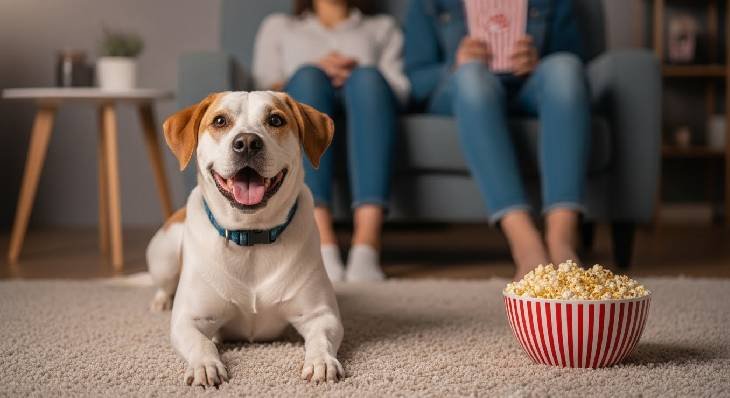
A cozy movie night often includes a warm popcorn snack and your furry companion curled up beside you. As you enjoy your food, you may notice dogs begging for food, staring eagerly, or sniffing the air with intense pet curiosity. This often leads pet parents to wonder whether sharing food with dogs is safe—especially something as common as popcorn.
While popcorn may seem harmless, not all snacks are dog-friendly snacks, and understanding dogs and popcorn safety is crucial before tossing a piece their way.
Is Popcorn Bad for Dogs?

When asking if dogs eat popcorn, the answer depends largely on how the popcorn is prepared. Popcorn toxicity is not an issue on its own, as popcorn is not inherently poisonous to dogs. However, preparation methods and portion sizes matter greatly.
Safe vs. Unsafe Popcorn
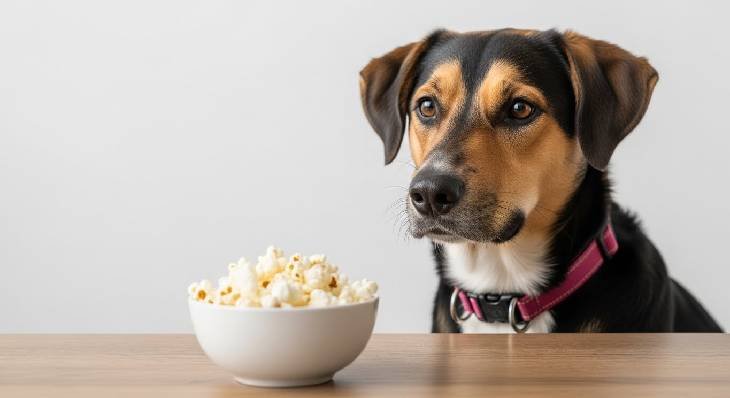
Plain popcorn that is air-popped popcorn and free from additives can be considered safe popcorn for dogs when offered occasionally and in small quantities.
The following types should be avoided:
- Buttered popcorn
- Salted popcorn
- Popcorn with oils, flavorings, or seasonings
These varieties fall into the category of unhealthy dog snacks and can lead to health problems if consumed regularly. Poor portion control and regular snacking risks can negatively impact your dog’s long-term well-being.
Health Risks from Popcorn
Feeding popcorn incorrectly can cause both short-term discomfort and long-term health issues. Common risks include:
Digestive and Metabolic Risks
- Upset stomach
- Obesity in dogs
- Pancreatitis
- Salt poisoning
Physical Hazards
- Choking hazard
- Unpopped kernels
- Intestinal blockage
These dangers are especially concerning for small dog risks, including breeds like Chihuahuas, who are more prone to choking or digestive obstruction due to their size.
Vet Recommended Dog Food (Product Section)
While occasional treats are acceptable, most of your dog’s nutrition should come from vet recommended dog food. High-quality food supports optimal dog nutrition and maintains a balanced diet.
Types of Dog Food
- Premium puppy food for growing dogs
- Adult dog food for maintenance
- Weight management dog food for overweight pets
- Senior dog food for aging dogs
- Dry dog food for dental and digestive support
Trusted Brands
- Eukanuba dog food
- Purina Pro Plan
- Hill’s Science Diet
These brands formulate foods that meet dogs’ nutritional needs more safely than human snacks.
Can Dogs Eat Kettle Corn or Caramel Popcorn?
The short answer is no. Kettle corn for dogs and caramel popcorn are especially problematic. These varieties contain sugary popcorn, excessive preservatives, and added fats, making them unhealthy dog treats.
Sugar-Related Health Issues
- Stomach pain
- Gas
- Diarrhea
- Vomiting
- Cavities in dogs
- Obesity
- Metabolic changes
- Diabetes
Over time, these conditions can significantly reduce your dog’s quality of life.
Toxic Ingredients to Watch For
- Chocolate toxicity
- Xylitol poisoning
- Other harmful popcorn ingredients
Even small amounts of these substances can be life-threatening, making it best to avoid flavored popcorn entirely.
How to Safely Feed Your Dog Popcorn
If you choose to offer popcorn as a treat, it must be done correctly. Follow these safety guidelines:
Safe Popcorn Rules
- Only plain air-popped popcorn
- No butter
- No oil
- No salt
- No sugar
- No added ingredients
- Perform careful kernel removal
Popcorn can act as a high-fiber dog treat, but only when prepared properly. Always feed in moderation, using strict treat portion control.
The 10% Treat Rule
Treats should make up no more than 10% of your dog’s daily calories. The remaining 90% should come from balanced dog food to ensure nutritional completeness.
Popcorn Portion Sizes by Dog Size
| Dog Size | Weight Range | Portion Size | Breed Examples |
|---|---|---|---|
| Extra-Small Dogs | 2–20 pounds | One to two pieces | Yorkies, Chihuahuas, Pomeranians, Pugs |
| Small Dogs | 21–30 pounds | Two to three pieces | Basenjis, Beagles, Miniature Australian Shepherds |
| Medium Dogs | 31–50 pounds | Five to six pieces | Basset Hounds, Border Collies, Australian Cattle Dogs |
| Large Dogs | 51–90 pounds | Small handful | Pit Bulls, German Shepherds, Labrador Retrievers, Australian Shepherds |
| Extra-Large Dogs | 91+ pounds | Handful of popcorn | Newfoundlands, Bernese Mountain Dogs, Saint Bernards, Great Pyrenees |
What If Your Dog Eats Popcorn Kernels?
Popcorn kernels pose a serious risk to dogs. They can cause:
- Dental issues
- Choking risk
- Intestinal blockage
What to Do
- Consider dog size risk factors
- Monitor for coughing, gagging, or distress
- Seek an emergency vet visit if symptoms occur
If your dog experiences breathing obstruction, the Heimlich maneuver for dogs may be necessary while immediately contacting your veterinarian.
Alternatives to Popcorn for Dogs
If you want a safer snack that mimics popcorn’s texture, there are many dog-safe popcorn alternatives available.
Benefits of Dog-Specific Treats
- Healthy dog treats
- Ideal small dog treats
- Crunchy dog snacks
- Airy dog treats
- Designed with canine digestion in mind
Product Examples
- BIXBI Liberty Ruff Puffs
- Chicken-free dog treats
- White cheddar dog treats
- PupCorn Plus
- Chicken & cheddar dog treats
These are specially formulated dog snacks with no hazardous ingredients, making them a much safer option than human popcorn.