
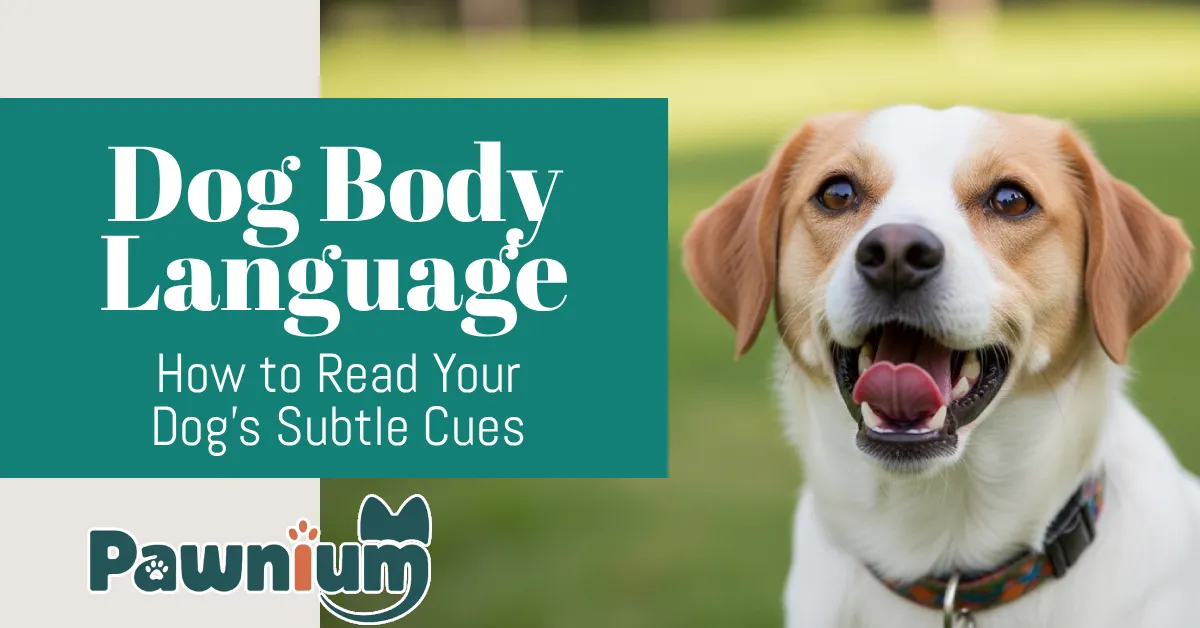
Dog Body Language: How to Read Eyes, Ears, Tail and Posture
Human beings rely heavily on spoken and written language to communicate thoughts, feelings, and intentions. Dogs, however, speak an entirely different dialect—one composed of micro-movements, postural shifts, ear rotations, tail dynamics, and facial expressions. Learning how to read dog body language is the single most effective way to prevent misunderstandings, build deep trust, and keep both humans and dogs safe.
Many pet owners mistakenly assume that a wagging tail or an open mouth always equates to happiness. In reality, canine communication is nuanced and context-dependent. Mastering a comprehensive dog body language chart, understanding subtle dog stress signals, and recognizing signs a dog is uncomfortable transforms you from an observant watcher into a fluent speaker of canine. This pillar guide explores every facet of canine expression, anatomical signaling, and behavioral interpretation.
Quick Answer
Dogs communicate their emotional state continuously through their entire physical frame. Rather than looking at a single feature—such as a tail wag—you must read the complete picture, which includes eye shape, pupil dilation, ear position, mouth tension, and weight distribution. A relaxed dog displays loose muscles, soft eyes, and a neutral or gently sweeping tail. Conversely, a stressed or defensive dog exhibits muscle stiffness, dilated pupils, pinned ears, and tense lip lines. Accurate interpretation requires evaluating the animal’s internal emotional arousal alongside environmental triggers.
Why Dog Body Language Should Be Read as a Complete Picture
One of the most dangerous mistakes human observers make is isolating a single canine behavior—such as assuming a wagging tail means a dog wants to be petted. Dog body language must never be interpreted in isolation.
Consider a dog standing stiffly on a sidewalk with a high, wagging tail. If you look only at the tail, you might assume friendliness. However, if that tail is vibrating rigidly at high speed, the dog’s mouth is tightly closed, their pupils are dilated, and their weight is shifted forward over their front paws, that tail wag indicates high physiological arousal and impending reactivity, not joy.
Every anatomical signal—from the tip of the nose to the last vertebra of the tail—interacts with the others. A happy dog is loose and wiggly from head to toe, whereas a stressed or defensive dog is rigid, sectional, and tense.
Unique Content Asset: Master Dog Body-Language Chart
This comprehensive reference chart maps out how different anatomical features combine across various emotional states:
| Emotional State | Eyes & Pupils | Ears | Mouth & Lips | Tail | Posture & Weight | Stress / Warning Signals |
| Relaxed | Soft almond shape; normal pupils | Neutral, soft, or slightly forward | Soft, slightly open, tongue relaxed | Loose, neutral position or soft wag | Weight balanced evenly; loose, fluid muscles | None; calm baseline state |
| Playful | Bright, wide, soft gaze | Forward and alert | Open pant; relaxed lips; “smiling” look | High, sweeping wag; mobile | Front lowered (play bow); rear elevated | Play barks, bouncy hops |
| Anxious / Nervous | Dilated pupils; slight whale eye | Pulled back or sideways (“airplane ears”) | Closed mouth; corners pulled back | Tucked low or rigid against legs | Crouched low; weight shifted backward | Lip licking, yawning, trembling |
| Stressed | Hard stare or averted gaze | Swiveling rapidly; pinned back | Tight lips; rapid panting | Held low or tucked | Rigid frame; subtle freezing | Heavy shedding, displacement sniffing |
| Defensive / Fearful | Hard stare; extreme whale eye | Flat against the head | Retracted lips; possible low growl | Tucked tightly between hind legs | Body lowered; shrinking away from source | Snapping, air-snapping, freezing |
| Aggressive / Warning | Hard, unblinking fixation | Locked forward or pinned flat | Wrinkled muzzle; bared teeth; snarls | Rigid; vertical flag or slow heavy sweep | Stiff forward weight; tall stance | Piloerection (raised hackles), lunging |
Relaxed Dog Body Language
When a dog feels completely safe, secure, and content in their environment, their physical body reflects physical ease and zero defensive readiness.
-
Muscles: Soft, fluid, and loose. The dog can easily shift positions, lie on their side with belly exposed, or stretch out comfortably.
-
Eyes: Soft, almond-shaped, and relaxed. Blinking is frequent and natural, and the dog easily breaks eye contact without tension.
-
Ears: Resting in their natural breed-specific shape—neither pinned flat nor locked rigidly forward.
-
Tail: Carried in a neutral, relaxed position, swaying softly or resting quietly against the hindquarters.
Maintaining this baseline requires meeting your dog’s fundamental daily needs, including appropriate mental enrichment and proper physical conditioning (refer to our puppy exercise chart by age for structured activity guidelines).
Happy and Playful Dog Body Language
Play is a rehearsal for adult survival skills, characterized by exaggerated, bouncy movements and self-handicapping signals that communicate benevolent intentions.
-
The Play Bow: The quintessential invitation to play. The dog drops their front elbows to the ground while keeping their rear end elevated in the air, often accompanied by a soft, welcoming bark.
-
Facial Expression: Relaxed lips parted in what humans perceive as a canine smile, bright eyes, and loose jaw muscles.
-
Movement: Bouncy, fluid motion with exaggerated leaps, spins, and loose bounding.
Excited Dog Body Language
High excitement can easily bridge the gap into over-arousal if an animal’s nervous system floods with adrenaline.
-
Energy: Rapid pacing, spinning in circles, whining, or high-pitched yipping.
-
Tail Movement: Fast, wide tail wags that often pull the entire pelvis and lower back into a wiggly motion.
-
Pupils: Slightly dilated due to adrenaline surges.
While harmless in short bursts, unmanaged excitement in young dogs can trigger behavioral regressions, such as nipping or frantic mouthing (explore effective management strategies in our guide on when do puppies stop biting).
Nervous Dog Body Language
Nervousness is an internal state of apprehension where a dog feels uncertain about their safety or surroundings.
-
Posture: The dog shrinks their physical footprint, crouching slightly, tucking the tail, or shifting weight to their hind legs for a quick retreat.
-
Facial Signals: Frequent lip licking, nervous yawning unrelated to sleepiness, and avoiding direct eye contact by turning the head away.
-
Triggers: Environmental novelty can easily spark this response; young dogs experiencing a puppy fear periods frequently display heightened nervous body language toward everyday objects.
Frightened Dog Body Language
Fear is an acute emotional survival response triggered by perceived danger. A frightened dog is experiencing high-stress neurochemistry and is primed for a flight or fight reaction.
-
Physical Stature: Body compressed tightly to the ground, tail jammed between hind legs, and trembling or shivering visible across the musculature.
-
Eyes: Extreme pupil dilation, freezing in place, or staring fixedly at the terrifying stimulus.
-
Vocalizations: High-pitched whimpering, distress howling, or defensive barking.
Stressed Dog Body Language
Stress is not always dramatic; chronic or acute environmental pressure manifests in subtle “displacement behaviors”—actions performed completely out of context to release internal nervous tension.
-
Yawning & Lip Licking: Occurring when the dog is neither tired nor hungry.
-
Sudden Shedding: “Blow-coat” or shedding massive clumps of fur during a stressful veterinary exam or grooming session due to autonomic nervous system activation.
-
Panting: Heavy, rapid respiration when the ambient temperature is cool and the dog has not engaged in physical exercise.
Overstimulated Dog Body Language
Overstimulation occurs when a dog’s sensory threshold is shattered by too much noise, movement, training, or play.
-
Behavioral Shifts: A previously cooperative dog suddenly becomes manic, erratic, snapping at air, biting leashes, or launching into uncontrollable evening zoomies.
-
Inability to Settle: Pacing restlessly despite physical exhaustion. This state is common in puppies who have missed their scheduled rest periods (learn how proper rest management aids behavior in our puppy feeding chart by age, weight and breed size).
Defensive Dog Body Language
When a dog feels cornered, trapped, or unable to flee from a perceived threat, they shift from a flight mindset to a defensive posture.
-
Stiffness: Every muscle in the body locks into place. Movement becomes robotic and deliberate.
-
Facial Retraction: Corners of the mouth pull back horizontally, exposing teeth while the nose wrinkles.
-
Posturing: Making themselves look as large as possible or planting their stance firmly to signal that they will defend their space if pushed further.
Aggressive Warning Signals
Canines possess sophisticated systems of communication designed to prevent physical conflict. Growling, snapping, and lunging are not “bad behavior”—they are vital warning signals communicating that lower-level cues (like turning away or lip licking) were ignored by humans or other animals.
-
The Hard Stare: A fixed, unblinking lock of eye contact aimed directly at the perceived threat.
-
The Snarl: Lifting the upper lip straight up to expose canine teeth while wrinkling the bridge of the muzzle.
-
The Air Snap: A rapid, calculated snap of the jaws in empty space designed to warn without breaking skin.
Safety Reminder: Never punish a dog for growling. A growl is a dog’s verbal warning system. Punishing a growl teaches the dog to stop warning and go straight to silent biting without notice.
Dog Eye and Pupil Meanings
The eyes serve as a primary window into a dog’s emotional state and cognitive focus.
-
Soft Eyes: Relaxed eyelids with almond-shaped openings. The dog blinks regularly and looks away softly.
-
Hard Stare: Wide-open eyes with a fixed, unblinking gaze locked onto an object, person, or animal. This signal indicates high arousal or predatory focus.
-
Whale Eye (Siderosis): The dog turns their head away while keeping their eyes locked on the trigger, exposing the white crescent of the sclera around the iris. This indicates severe anxiety, stress, or resource guarding.
-
Pupil Dilations: Large, black pupils in normal lighting indicate fear, excitement, or extreme arousal, whereas constricted pupils often accompany aggressive focus.
Dog Ear Positions
Canine ears are incredibly mobile radar dishes driven by dozens of specialized muscles.
-
Neutral / Forward: Ears rest in their natural breed shape, pointing forward or slightly to the side, indicating relaxed curiosity.
-
Pricked / Alert: Ears locked rigidly forward, base taut, pointing directly toward a point of interest.
-
Airplane Ears: Ears flattened sideways like the wings of an airplane, often accompanied by a lowered head. This signals apprehension or submission.
-
Pinned Back: Ears pressed flat against the sides of the skull, minimizing their profile. This indicates fear, extreme submission, or defensive readiness.
Dog Mouth and Lip Signals
The mouth conveys both relaxed comfort and defensive tension.
-
Loose Pant: A soft, open mouth where the tongue lolls out loosely and the corners of the lips are soft.
-
Closed Mouth: Lips sealed tightly together in a straight line, often accompanied by facial tension.
-
Lip Licking: A quick flick of the tongue across the nose, performed when anxious or trying to appease a tense situation.
-
Vertical Lip Retraction: Pulling the upper lip straight up to reveal front teeth, signaling a clear warning to back away.
Dog Tail Positions and Tail-Wagging Meanings
While popular culture views a tail wag as universal joy, tail mechanics are far more complex.
-
Height: A tail carried high above the backline signals high arousal, confidence, or dominance; a tail carried low or tucked between the hind legs signals fear and insecurity.
-
Speed & Amplitude: A slow, stiff, rigid wag indicates hesitation and tension; a wide, loose, circular “helicopter wag” involving the whole hindquarters indicates profound happiness and social greeting.
-
Directional Wagging: Recent behavioral studies show that wags biased slightly to the right of the dog’s body often indicate positive emotional states (like seeing an owner), while left-biased wags can accompany stress or negative arousal.
Dog Posture and Weight Distribution
Where a dog places their physical center of gravity dictates their immediate movement intentions.
-
Weight Forward: Center of gravity shifted over the front legs. The dog is leaning forward, ready to investigate, push past, charge, or lunge. This posture requires immediate management.
-
Weight Balanced: Weight distributed evenly across all four paws. The dog is calm, neutral, and relaxed.
-
Weight Backward: Center of gravity shifted onto the hindquarters. The dog is leaning away from a stimulus, preparing to flee or defending themselves if approached.
Key Behavioral Signals & Subtleties
Raised Hackles (Piloerection)
Piloerection is the involuntary raising of the fur along the spine, running from the shoulders down to the tail base. Driven by adrenaline, hackles rise when a dog is startled, excited, insecure, or aroused. It does not automatically mean aggression; it simply indicates high physiological activation.
Lip Licking and Yawning
When observed outside of waking or eating contexts, lip licking and yawning serve as “calming signals”—innate behavioral tools dogs use to soothe themselves and signal peaceful intent to others.
Whale Eye
Exposing the whites of the eyes is a classic indicator of internal distress, often seen when a dog feels cornered, trapped, or anxious during handling.
Play Bow
The universal canine olive branch. Dropping the front chest to the ground invites interaction and resets social tension, signaling that any subsequent rough behavior is purely in fun.
Freezing and Stiffness
When a dog stops all movement mid-stride and locks their joints, time has effectively stopped for them while they assess a threat. Freezing is an immediate precursor to a reactive outburst.
Submissive Urination
Occurring frequently in young or sensitive dogs, submissive urination involves squatting and leaking small amounts of urine when greeted enthusiastically or scolded. This behavior stems from appeasement and insecurity, not disobedience.
Contextual Behavior
Behaviour Around Unfamiliar Dogs
When dogs meet on leash or in open spaces, their body language shifts rapidly. Polite canine greetings involve curved, arcing approaches rather than direct head-on meetings, loose body postures, and mutual sniffing of scent glands. Owners must watch for stiff tails and prolonged direct eye contact, which signal friction (ensure your dog has mastered positive interactions through guidance outlined in our puppy socialisation checklist).
Behaviour Around Children
Children move unpredictably, make high-pitched vocalizations, and lack adult spatial awareness, making them frequent triggers for canine stress. A dog who feels cornered by a child may display whale eye, lip licking, or freezing long before snapping. Adults must supervise all interactions and provide dogs with an unapproachable safe zone.
Normal Behaviour Versus Pain-Related Posture
Physical discomfort alters canine body language dramatically. A dog suffering from hidden joint pain, dental decay, or spinal distress may display a “roached” (hunchbacked) spine, a prayer position (chest on the floor, rear in the air while reluctant to rise), tucked tails, or sudden irritability when touched. Consistent tracking of your dog’s physical development and structural health helps differentiate behavioral quirks from medical pain (consult our comprehensive puppy growth chart for growth milestones).
Common Mistakes Owners Make
-
Assuming All Wags Mean Happy: Failing to evaluate tail stiffness and body tension.
-
Punishing Warning Signs: Scolding a growling dog, which destroys communication channels.
-
Forcing Interactions: Dragging a nervous dog toward strangers or other animals under the guise of “socialization.”
-
Anthropomorphizing Guilt: Believing a dog looks “guilty” because they know they did something wrong, when they are actually reacting to human anger and tense body language.
When to Contact a Trainer, Behaviourist or Veterinarian
Seek professional help immediately if your dog displays unprovoked aggression, escalating bite histories, severe separation anxiety, or sudden behavioral shifts. Because pain is a primary driver of canine reactivity, always schedule a comprehensive veterinary exam to rule out underlying medical conditions before starting behavior modification.
Frequently Asked Questions
Why does my dog yawn when I scold them?
Yawning during a tense interaction is a calming signal. Your dog is attempting to soothe both themselves and you to diffuse the conflict.
Can a dog wag its tail and still bite?
Yes. A stiff, mechanical, high-speed tail wag accompanied by a hard stare, rigid posture, and closed mouth is a clear warning sign of impending biting.
How do I know if my dog is smiling or snarling?
A play smile features a relaxed, open mouth with a loose tongue and soft eyes. A snarl involves vertical lifting of the upper lip, a wrinkled muzzle, a rigid body, and a fixed stare.
Why does my dog freeze when another dog approaches?
Freezing indicates extreme caution and assessment. The dog is pausing all movement to evaluate whether the approaching dog is a friend, foe, or threat.
Are certain breeds harder to read than others?
Breeds with excessive facial wrinkles (like Bulldogs), heavy facial hair hiding the eyes (like Shih Tzus), or docked tails lack certain visual signaling tools, requiring humans to pay closer attention to posture, ears, and subtle muscle tension.
Conclusion
Learning how to read dog body language requires patience, observation, and respect for canine communication. By evaluating the complete picture—from ears and eyes to tail and weight distribution—you protect your dog’s emotional well-being and foster a harmonious, trusting relationship. Take your next step by observing your dog’s baseline body language during relaxation today and noting how they respond to subtle environmental changes.
Expert Review Note
This article was reviewed by a certified professional dog trainer and canine behavior specialist with over fifteen years of experience in positive-reinforcement behavior modification.