How to Donate Used Pet Supplies: Where and How to Give Gently Used Items a Second Life (Shelter Donation Guide)
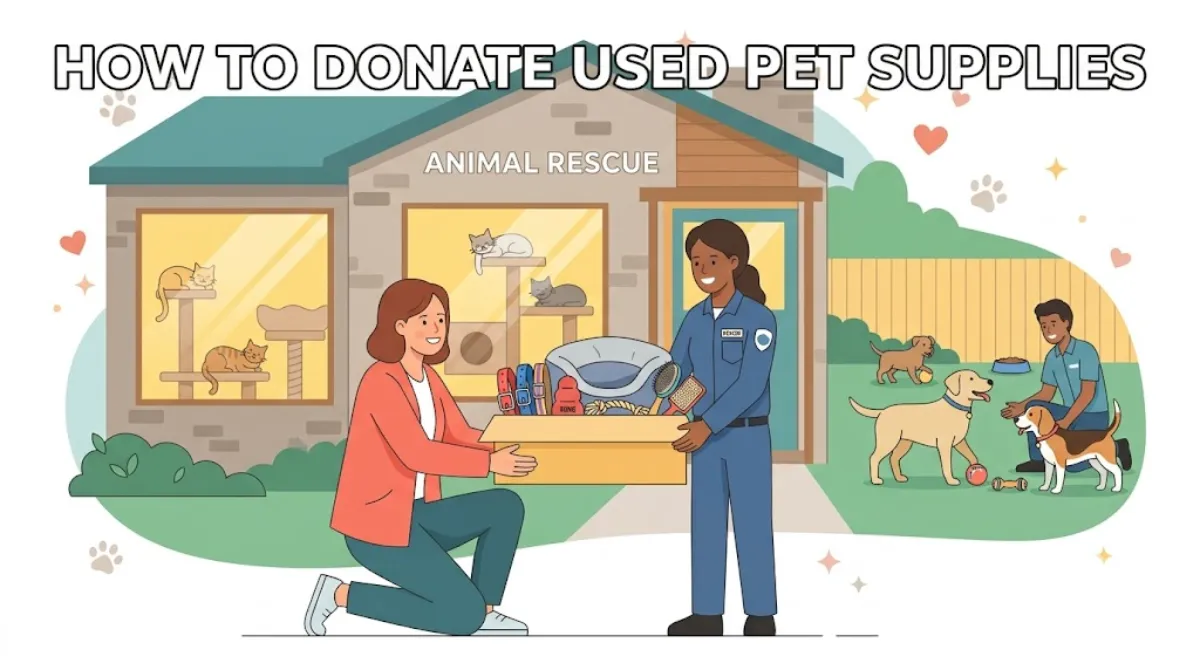
Accumulating spare crates, extra leashes, outgrown collars, and unopened accessories happens quickly as pets mature or household configurations shift. Finding reliable ways to donate used pet supplies transforms cluttered storage spaces into vital lifelines for animals waiting for permanent placement. Knowing where to donate old pet items ensures that your functional equipment directly supports underfunded animal welfare organizations and community rescue networks. This guide breaks down how to sort your surplus gear, meet strict facility sanitation standards, and connect with the right organizations to give your items a meaningful second life.
Finding the right match requires balancing aesthetic appeal with practical functionality. By reviewing the linguistic roots and cultural significance behind these words, you can confidently assign a moniker that honors your dog’s unique personality.
Assessing Your Surplus Gear and Sorting Essentials
Every household with companion animals eventually collects a surplus of equipment that is no longer in active rotation. Conducting an inventory of your pet gear allows you to separate functional items from broken or unsafe materials before initiating a donation effort.
Categorizing Crates, Leashes, and Bedding
Heavy-duty wire crates, plastic travel kennels, nylon leashes, martingale collars, and fabric cushions represent some of the most sought-after equipment for animal shelters. Sorting these items into distinct categories based on type and size helps streamline the donation process for intake coordinators. When evaluating what to give, consider how durable each piece is and whether it can withstand heavy daily use in a bustling kennel environment. For early developmental insights on outfitting a pet’s environment, review our guide on [how to choose the right puppy].
Evaluating Item Safety and Wear Levels
Before offering gear to a charitable organization, inspect every piece for structural integrity, broken latches, frayed webbing, or exposed metal wires. Safety is paramount in rescue environments where animals may already experience stress or anxiety. Items that show minor cosmetic wear but remain fully functional are generally welcomed, while severely damaged equipment should be recycled or discarded safely.
Practical Step: Group your sorted gear into clear plastic bins or heavy-duty trash bags labeled by category—such as bedding, hardware, or toys—to make unloading at the facility efficient.
Understanding Sanitation Guidelines and Shelter Needs
Animal welfare organizations operate under strict biosecurity protocols to prevent the spread of infectious diseases like parvovirus, kennel cough, and ringworm among vulnerable populations. Meeting these cleanliness standards is critical when donating gently used pet supplies.
Why Hygiene Protocols Matter for Vulnerable Animals
Shelters house animals with varying immune statuses, ranging from recovering strays and unvaccinated puppies to senior pets with chronic health conditions. Unwashed fabrics or contaminated plastic surfaces can introduce pathogens that compromise an entire kennel block. Consequently, facilities must adhere to rigorous sanitation schedules and often reject items that cannot be thoroughly laundered or disinfected.
Washing and Sanitizing Protocols Prior to Drop-Off
Taking the time to launder fabric items and sanitize hard plastic surfaces at home relieves an immense burden on shelter staff. Wash all blankets, towels, and fabric beds in hot water using hypoallergenic, fragrance-free detergent, followed by a high-heat tumble dry. Scrub plastic crates, food bowls, and rubber toys with a veterinary-grade disinfectant or a diluted bleach solution, rinsing them completely before packing. For ongoing health tracking milestones, review our guide on [puppy health and wellness].
Safety Reminder: Never donate bedding or toys that retain strong chemical residues, mold, or persistent urine odors that cannot be eliminated through standard washing.
Identifying the Right Recipient Organizations
Different welfare organizations have unique operational scopes and material needs, making it important to match your specific surplus items with the facility best equipped to utilize them.
Traditional Animal Rescue Shelters and Humane Societies
Brick-and-mortar humane societies and open-door municipal animal shelters manage high volumes of incoming dogs and cats daily. These facilities maintain constant demand for durable bedding, stainless steel bowls, standard leashes, and basic grooming tools. Because their storage space is often larger, they can readily accept crates, exercise pens, and bulk cleaning supplies.
Foster-Based Rescue Networks and Community Outreach Groups
Independent foster-based rescue groups operate without central physical kennels, placing rescue animals into private volunteer homes instead. These grassroots organizations rely heavily on portable supplies like collapsible crates, baby gates, travel carriers, and specialized training aids. Connecting directly with foster coordinators allows you to provide precise items needed for animals currently awaiting adoption in home settings. When establishing training consistency across foster transitions, consult resources on [positive reinforcement dog training].
Pet Owner Note: Reach out to local veterinary clinic waiting rooms or community bulletin boards to see if they coordinate supply drives for local rescue partners.
Navigating Restrictions on Food, Medication, and Grooming Items
While equipment and bedding are universally appreciated, consumable items like pet food, treats, and pharmaceuticals are subject to strict regulatory oversight and liability concerns.
Handling Open Food Bags and Prescription Medications: Most animal shelters maintain strict policies regarding food donations, typically requiring dry kibble and canned food to remain strictly unopened, unexpired, and sealed in original manufacturer packaging. Opened bags of food pose contamination risks and are generally rejected for safety reasons. Similarly, leftover prescription medications or open flea treatments cannot be accepted by most standard shelters due to veterinary dispensing laws, though some veterinary clinics accept unopened pharmaceuticals for charitable distribution.
Safety Limits on Shampoos and Grooming Tools: Grooming supplies such as brushes, metal combs, and nail clippers are usually welcomed if they are thoroughly sanitized. However, opened bottles of medicated shampoos or topical sprays may be declined unless they are factory-sealed and unexpired. Always verify specific consumable acceptance policies before packing your donation boxes.
Before You Begin: Call the front desk of your intended donation center to confirm whether they accept open treats, specialized diets, or particular brands of pet food.
Streamlining the Donation Drop-Off Process
Ensuring a smooth transfer of goods requires respectful communication and adherence to facility schedules, allowing staff to accept contributions without disrupting animal care operations.
Contacting Shelters and Checking Wish Lists: Before loading your vehicle, visit the official website or social media pages of your target rescue organization to review their current wish list. Many facilities publish real-time updates detailing exact shortages—such as specific crate sizes or heavy-duty towels—ensuring your contribution fills an immediate operational gap. Calling ahead also ensures that intake personnel are available to receive and document your items.
Packaging and Labeling Donations Effectively: Organizing your contribution into easily countable units expedites the intake process for busy shelter workers. Group like items together and affix a brief inventory note on the outside of each box or bag indicating the contents and sizing dimensions. Including your contact information allows the organization to send a formal donation receipt for tax purposes if applicable.
Quick Action: Snap a quick photo of your packed donation boxes before leaving home so you have an accurate inventory record for your personal tax documentation.
Frequently Asked Questions
- Can I donate old pillows and comforters to an animal shelter? Most shelters decline old feather pillows and heavily stuffed comforters because dogs easily tear them apart, creating choking hazards and clogging commercial washing machines with loose stuffing.
- Do animal rescues accept gently used dog clothing and sweaters? Yes, many shelters gladly accept dog coats and sweaters, especially during winter months to keep short-haired or senior dogs warm during outdoor elimination breaks.
- What is the best way to clean a plastic crate before donating it? Scrub the interior and exterior of the crate with warm soapy water, apply a pet-safe disinfectant, rinse thoroughly with clean water, and let it air dry completely in the sun.
- Are expired bags of dry dog food ever accepted by rescues? No, animal welfare organizations must discard expired food to protect animal health, so always check expiration dates before offering dry kibble or canned goods.
- Can I donate gently used electronic training collars or bark collars? While some specialized trainers utilize electronic collars, many traditional shelters decline them due to organizational policies favoring positive reinforcement training methods.
- How do I obtain a tax receipt for my pet supply donation? Ask the shelter intake coordinator for a donation receipt form upon drop-off, making sure to list the general items and estimated fair market value for your records.
Conclusion
Passing along surplus equipment through animal shelter supply donations offers a practical, impactful way to support vulnerable animals while decluttering your home. By understanding community outreach needs, meeting strict sanitation protocols, and respecting facility guidelines, you ensure your used gear becomes a valuable resource for rescue workers. Giving gently used items a second life reduces waste and strengthens the local animal welfare network. Take the next practical step today by auditing your storage closets and contacting a nearby shelter to schedule your second-hand pet item donation guide session, safely giving away used dog and cat gear through reliable channels.