
Puppy Development Timeline: Growth Milestones & Care Guide
Tracking a canine’s early life requires following a detailed puppy development timeline to anticipate physical changes, psychological shifts, and nutritional requirements. Navigating the various puppy growth stages from birth through young adulthood helps owners provide proactive care rather than reacting to behavioral hurdles after they emerge. Understanding these milestones ensures that feeding, training, and socialisation align precisely with your dog’s biological maturity.
Quick Answer
A puppy’s journey from birth to full adulthood spans approximately 12 to 18 months, varying slightly by breed size. Small breeds mature physically around 10 to 12 months, whereas large and giant breeds continue growing until 18 to 24 months. Key phases include the neonatal period (weeks 0–2), transitional period (weeks 2–4), primary socialisation window (weeks 4–14), juvenile stage (3–6 months), adolescence (6–12 months), and social maturity (12–18 months). Throughout these phases, puppies undergo rapid neurological development, deciduous tooth eruption, hormonal shifts, and emotional transformations that require structured guidance.
Puppy Development Timeline Chart
| Age Range | Primary Developmental Focus | Nutritional & Physical State | Key Behavioural Milestone |
| Birth to 2 Weeks | Sensory awakening & warmth | Nursing exclusively; eyes and ears closed | Reflexive crawling; seeking dam and littermates |
| 2 to 4 Weeks | Transitional awareness | Eyes open; teeth begin erupting; weaning prep | First intentional interactions; standing and tail-wagging |
| 4 to 8 Weeks | Canine socialisation foundation | Transitioning to solid food; rapid motor skill gains | Learning bite inhibition from littermates; exploring environment |
| 8 to 12 Weeks | Home integration & learning | Three to four meals daily; high caloric demand | High curiosity; primary impressionable fear period |
| 3 to 6 Months | Teething & boundary testing | Adult teeth begin replacing milk teeth | First fear period; testing rules; high independence drive |
| 6 to 12 Months | Adolescence & sexual maturity | Growth rate slows for small breeds; joint closure nears | Hormonal changes; boundary pushing; distraction sensitivity |
| 12 to 18 Months | Social maturity & emotional settling | Reaching final adult height and muscle mass | Stabilised temperament; adult focus levels established |
Birth to 2 Weeks: The Neonatal Phase
During the first fortnight of life, puppies are entirely dependent on their mother for survival. Born with closed eyes and folded ears, neonates rely solely on touch, warmth, and smell to navigate their whelping box. Their daily existence revolves around nursing, sleeping, and mild crawling movements powered primarily by their front limbs.
Neurological pathways are in their earliest formation stages, meaning external sensory input has minimal impact compared to internal physiological growth. The mother dog manages all sanitation needs and provides critical antibodies through her colostrum during the first twenty-four hours after birth.
Pet Owner Note: Weigh neonates daily on a digital kitchen scale during their first two weeks. Steady weight gain is the single most reliable indicator of thriving health in newborn puppies.
2 to 4 Weeks: The Transitional Period
Around day fourteen, a puppy’s eyes open, and ear canals begin to unseal, abruptly introducing them to sights and sounds. This transitional phase shifts their awareness outward. Motor skills improve rapidly as puppies transition from a crawling motion to tentative walking, wobbling across the bedding while engaging in playful vocalising and tail-wagging with littermates.
Deciduous incisors begin breaking through the gums near the end of the third week, signaling the biological readiness for supplementary nutrition. Puppies start experimenting with solid food mash as the dam naturally begins spending brief periods away from the litter.
4 to 8 Weeks: The Socialisation Window Begins
The period between four and eight weeks marks the inception of the critical socialisation window. Puppies learn canine etiquette, social hierarchy, and bite inhibition primarily through rough-and-tumble play with their mother and siblings. If a puppy bites a littermate too hard, play halts immediately, teaching them the vital concept of pressure control and social consequences.
Environmental exposure expands rapidly during this stage. Breeders introduce varied household noises, different textures underfoot, and safe human handlers to prevent fearful reactions later in life. Nutritional reliance shifts fully from maternal milk to solid weaning diets.
8 to 12 Weeks: The Home Transition & Primary Socialisation
Relocating to a new home typically happens during weeks eight through ten. This juncture represents a high-impact learning phase where human families must actively manage environmental introductions. Consult a comprehensive [Puppy socialisation checklist] to ensure your new companion experiences novel sights, sounds, surfaces, and friendly people safely and positively.
Brain development is remarkably active during these weeks, making it an ideal time for foundational obedience. However, puppies also possess a heightened sensitivity to negative experiences during this span, requiring all new encounters to remain positive, low-pressure, and rewarding.
3 to 6 Months: Juvenile Phase & First Fear Period
As puppies enter the juvenile months, they experience rapid physical growth coupled with the arrival of their first fear imprint period. Around four to six months of age, puppies may suddenly react with hesitation or outright fear toward objects, individuals, or environments they previously accepted without concern.
During this window, consistency is critical. Forcing a frightened puppy into a stressful situation can imprint long-term anxiety, whereas patient, gentle desensitization helps build enduring confidence and emotional resilience.
6 to 12 Months: Adolescence & Second Fear Period
Adolescence brings hormonal surges and a noticeable testing of established boundaries. Dogs in this bracket may suddenly ignore previously mastered cues, display selective hearing, or challenge household rules. Large and giant breeds retain puppy-like mentalities while possessing adolescent body weights, requiring careful physical management to protect developing joints.
A secondary fear period often manifests around eight to ten months, coinciding with adolescent hormonal shifts. Maintaining calm, structured routines helps young canines navigate this turbulent developmental phase successfully.
12 to 18 Months: Social Maturity & Adulthood
Small and toy breeds typically reach social maturity by twelve months, while large, working, and sporting breeds may continue maturing mentally until eighteen to twenty-four months. Energy levels often level out, and the erratic impulsivity of adolescence gives way to a more predictable adult temperament.
Owners can evaluate their dog’s final size, coat type, and established behavioral tendencies, adjusting long-term exercise routines and dietary management to support healthy adult aging.
Physical Development by Age
Physical growth happens at staggering rates during the first year. Birth weight can multiply tenfold within the first few weeks, followed by steady skeletal elongation. Bone growth plates remain open and vulnerable to injury during the first twelve months, meaning high-impact activities like repetitive jumping or forced running should be strictly avoided until maturity.
Muscle mass develops progressively as exercise capacity increases. Small breeds finish vertical growth much earlier than heavy-boned guardian or sporting breeds, whose skeletal structures require dense nutritional support and controlled physical exercise throughout adolescence.
Behavioural Development by Age
Behavioral patterns evolve from instinctual reflexes in neonates to complex social strategies in juveniles. Puppies test physical boundaries, explore pack dynamics, and learn emotional regulation through interactions with conspecifics and humans.
As hormones fluctuate during adolescence, confidence levels can dip and spike. Providing predictable routines, clear rules, and consistent positive reinforcement helps young dogs navigate these internal shifts without developing destructive habits.
Feeding Milestones
Nutritional demands change dramatically as a puppy transitions from maternal milk to solid meals. Proper caloric intake supports neurological growth without promoting dangerously rapid skeletal expansion. Consult a detailed [Puppy feeding guide] to ensure your dog receives appropriate fat-to-protein ratios tailored to their predicted adult weight category.
-
Birth to 4 weeks: Nursing or specialized milk replacer formula.
-
4 to 8 weeks: Transition gruel and wet food slurry, gradually moving toward moistened kibble.
-
8 months to adult: Three daily meals shifting down to two well-measured adult portions once skeletal growth concludes.
Sleep Milestones
Young puppies require immense amounts of restorative sleep—often between eighteen and twenty hours daily—to process neural connections and support tissue regeneration. Overtired puppies frequently exhibit hyperactive, nipping, or emotionally volatile behavior, similar to overtired human toddlers.
Refer to a structured [Puppy sleep schedule] to establish designated crate or pen resting periods throughout the day, preventing behavioral meltdowns caused by chronic exhaustion.
Toilet-Training Milestones
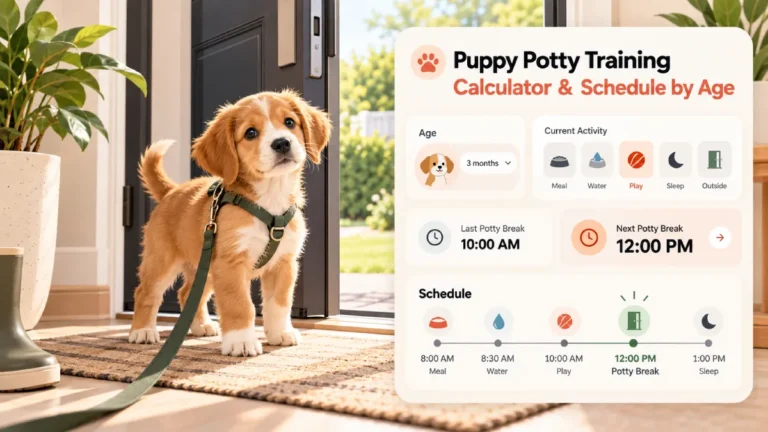
Bladder and bowel control develops in parallel with neurological maturity. Neonates lack voluntary sphincter control entirely. By eight weeks, puppies can hold their bladder for short intervals—roughly one hour per month of age—though individual variance is high.
Review a step-by-step [Puppy potty-training guide] to learn how frequent outdoor trips, immediate post-nap outings, and high-value rewards accelerate reliable indoor house-manners.
Teething Stages
Deciduous teeth begin erupting around week three and fall out between twelve weeks and six months of age to make room for forty-two permanent adult teeth. This transition causes intense gum soreness and an overwhelming biological need to chew.
Examine an official [Puppy teething timeline] to identify safe chew items, frozen toys, and management strategies that protect your furniture while soothing your puppy’s irritated gums.
Socialisation Period
The primary socialisation window closes around fourteen to sixteen weeks of age, after which a puppy’s neurological acceptance of novel stimuli decreases significantly. Maximizing safe, positive exposures before this biological deadline prevents future phobias and builds an adaptable, confident adult companion.
Puppy fear periods
Puppies pass through distinct neurological milestones where unexpected frights leave deep psychological impressions. The first occurs around eight to ten weeks, and the second arrives during adolescent months. During these windows, owners should avoid harsh corrections and instead use gentle encouragement and food rewards to re-establish environmental security.
Training Expectations
Training expectations must match the puppy’s cognitive capacity at each stage. Neonates and transitional puppies require gentle handling and basic name recognition. By twelve weeks, puppies can grasp short, positive reinforcement sessions focusing on sit, down, and recall. Adolescent dogs require patience as they test boundaries, demanding reinforcement of foundational skills rather than advanced maneuvers.
Normal Development Versus Warning Signs
Understanding the boundary between typical puppy antics and clinical red flags ensures prompt veterinary intervention when necessary.
Typical Developmental Milestones
-
Temporary chewing surges during teething.
-
Occasional regression in house-training during adolescence.
-
Brief hesitation around novel objects during fear periods.
Clinical Warning Signs Requiring Veterinary Attention
-
Lethargy, persistent refusal to eat, or failure to gain weight in young puppies.
-
Unprovoked aggression, extreme panic that does not subside, or absolute inability to form social bonds.
-
Persistent lameness or reluctance to bear weight on limbs during rapid growth phases.
Vet Check: Contact a veterinarian immediately if a puppy under twelve weeks misses consecutive meals, exhibits watery diarrhea, or displays unusual lethargy, as young dogs decline rapidly when ill.
Frequently Asked Questions
When does a puppy stop growing physically?
Small dog breeds typically reach their full height and weight by ten to twelve months of age. Large and giant breeds continue developing muscle mass and bone density until eighteen to twenty-four months.
Why is my puppy suddenly acting scared of things they used to like?
This behavior usually marks the onset of a temporary fear imprint period. Maintain a calm demeanor, avoid forcing interactions, and allow your puppy to investigate fearful objects at their own pace with food rewards.
How often should I feed my puppy during their first year?
Puppies aged eight weeks to four months generally require four meals daily. This frequency drops to three meals between four and six months, and transitions to two adult meals daily around six to twelve months depending on breed size.
When does the primary socialisation window end?
The critical socialisation window closes around fourteen to sixteen weeks of age. Exposing puppies to diverse environments, gentle handlers, and everyday sounds before this deadline is essential for lifelong confidence.
How do I know if my puppy’s teething pain is normal?
Chewing on furniture, increased drooling, and mild bleeding from lost milk teeth are normal indicators of teething. Provide durable, veterinarian-approved chew toys and consult a professional if gums appear infected or swollen beyond reason.
Conclusion
Guiding a dog from a helpless newborn into a confident adult requires careful attention to physical, emotional, and nutritional needs across every developmental milestone. By aligning your training and care routines with your dog’s biological maturity, you establish a resilient foundation for a healthy life together. Take your next step by observing your puppy’s current developmental stage and adjusting your daily routines to support their continued growth.