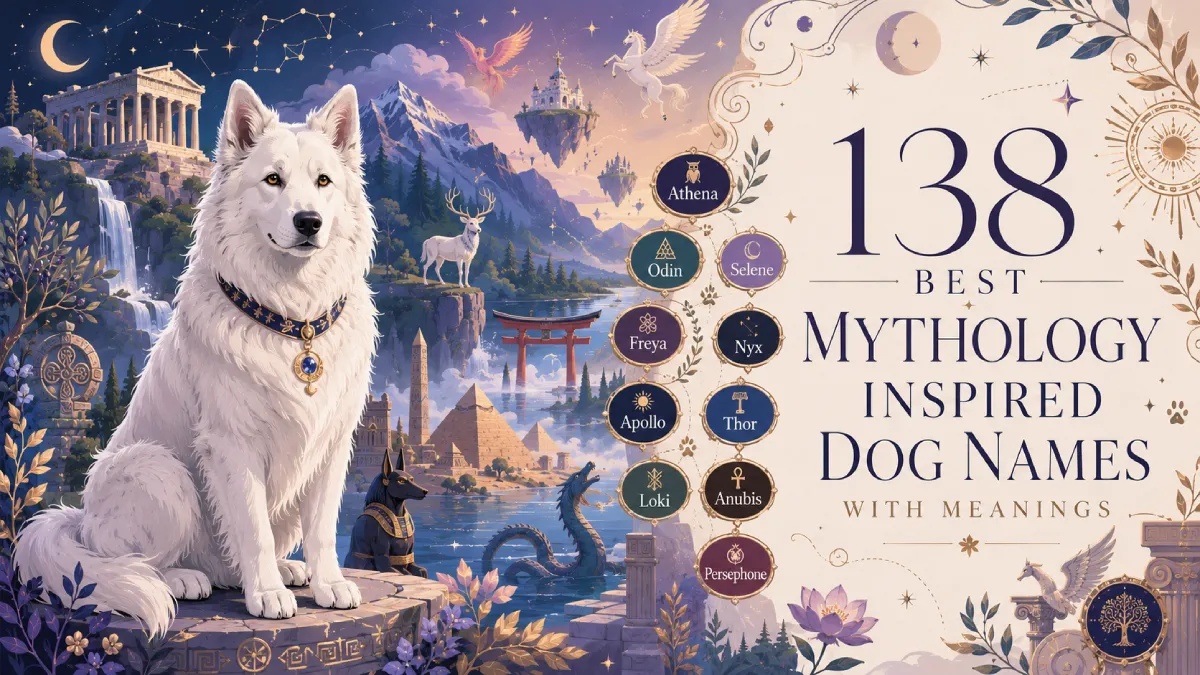
138 Best Mythology Inspired Dog Names With Meanings (Greek, Norse & Celtic Legends)
Choosing a moniker for a newly adopted companion establishes the foundational auditory cue for daily communication and lifetime bonding. Pet parents seeking a title with historical gravity, epic narrative weight, and deep cultural resonance often find that selecting mythology inspired dog names provides a profound alternative to standard, domestic labels. Navigating this vast landscape requires understanding how ancient linguistic cadences intersect with modern pet care. This resource explores precisely 138 distinct options designed to match various temperaments and physical statures, featuring choices drawn from classical pantheons and sagas. By reviewing the etymological heritage behind these selections, you can assign a moniker that celebrates your pet’s exceptional presence. Understanding these historical roots ensures your final choice is both authentic and well-suited, helping you discover some of the finest mythological dog names available for your new household member.
Finding the right match requires balancing aesthetic appeal with practical functionality. By reviewing the linguistic roots and cultural significance behind these words, you can confidently assign a moniker that honors your dog’s unique personality.
The Phonetic and Cultural Power of Ancient Monikers
Canine communication relies heavily on the auditory signals provided by owners and handlers. Experienced trainers and behaviorists emphasize that dogs respond most reliably to sharp, clear sounds that cut through ambient noise. When selecting terms from ancient sagas, consider how the phonetics of a specific title—such as the crisp consonants found in Norse warrior titles or the open vowels of the Greek pantheon—affect how a canine companion processes auditory input. A name that is phonetically distinct helps pets identify when handlers speak directly to them rather than another household member or environmental stimulus, facilitating more efficient obedience sessions.
Beyond the mechanics of training, choosing a name rooted in ancient folklore connects your pet to a broader artistic and cultural narrative. These monikers often reflect virtues like strength, divine grace, sovereignty, or leadership. Selecting a descriptor that carries a specific historic meaning integrates pets into daily routines with an intentionality that enhances companionship.
Before You Begin: Say your top choice aloud in various tones—softly for quiet indoor moments and firmly for outdoor recall—to confirm that the phonetic rhythm feels natural in everyday conversation. Reviewing resources on how to choose the right puppy can also help prepare a household for a new arrival.
Greek Pantheon and Heroic Selections
The Greek pantheon offers centuries of dramatic literature, philosophical depth, and heroic legend. These selections bring timeless dignity, theatrical flair, and historical prestige to a canine companion.
Gods and Rulers of Mount Olympus
- Apollo — God of music, truth, and healing. A radiant, brilliant choice for a golden-furred pet.
- Zeus — King of the Greek gods and ruler of the sky. Imposing, powerful, and commanding.
- Ares — God of courageous war and physical valor. Perfect for an athletic, high-energy dog.
- Hermes — The swift messenger of the gods. Ideal for a fast-moving, agile puppy.
- Poseidon — God of the vast, surging oceans. Exceptional for a water-loving retriever.
- Hades — Lord of the underworld. A dark, mysterious, and striking moniker.
- Dionysus — God of festivity, wine, and ritual madness. Bouncy and spirited.
- Chronos — Personification of time itself. Sturdy and wise-looking.
- Atlas — The titan condemned to hold up the celestial spheres. Incredibly strong and steady.
- Orion — The legendary celestial hunter. Adventurous and keen-eyed.
Pet Owner Note: Matching an energetic pup with a demanding historical moniker requires balancing their actual lifestyle; working breeds thrive with active tasks, while companion pets adapt well to relaxed domestic routines regardless of their title.
Norse Mythology and Viking Legends
For owners seeking a name that projects sturdiness, reliability, and ancient power, Norse sagas offer exceptional, distinct choices rooted in the cold, dramatic landscapes of Scandinavia.
Norse Gods and Elemental Forces
- Thor — God of thunder, storms, and strength. Rugged and immensely powerful.
- Loki — The cunning trickster god of shapeshifting fame. Playful and mischievous.
- Odin — The Allfather god of wisdom, poetry, and war. Wise and deeply observant.
- Baldr — God of light, beauty, and joy. Radiant and gentle-spirited.
- Tyr — One-handed god of single combat and heroic glory. Steadfast and brave.
- Heimdall — Guardian of the Bifrost bridge with senses like a hawk. Alert.
- Fenrir — The monstrous giant wolf of prophecy. Wild and fierce.
- Jormungandr — The sprawling sea serpent of Midgard. Epic and grand.
- Vidar — The silent god of vengeance and endurance. Calm and stoic.
- Njord — God of winds, coastal waters, and sailors. Maritime and steady.
Safety Reminder: Before letting pets off-leash in unfamiliar public spaces, ensure recall reliability is fully established using consistent positive reinforcement dog training methods to prevent wandering.
Celtic Folklore and Ancient Spirits
Celtic traditions weave together deep reverence for nature, misty landscapes, and magical entities, creating enchanting monikers for companion animals.
Celtic Deities and Nature Guardians
- Cernunnos — The horned god of wild forests, animals, and fertility. Earthy.
- Lugh — Master of all arts, crafts, and long-range combat. Skilled and bright.
- Dagda — The all-father figure of Irish myth possessing immense power. Sturdy.
- Nuada — First king of the Tuatha Dé Danann. Regal and ancient.
- Angus — God of youth, love, and poetic inspiration. Spirited and warm.
- Bran — Meaning raven, associated with prophecy and protection in Welsh lore.
- Taranis — Celtic god of thunder thunderously worshipped across Gaul. Bold.
- Manannán — Lord of the oceanic mists and maritime realms. Fluid.
- Ogma — God of eloquence and learning. Wise and articulate.
- Belenus — Healing solar deity associated with sacred springs. Luminous.
Egyptian Deities and Other Ancient Pantheons
Expanding beyond Europe, the golden sands of Egypt and other cradles of civilization provide striking visual and historical options for modern pets.
- Anubis — Jackal-headed guardian of the sacred underworld. Sleek and watchful.
- Osiris — Lord of the afterlife and agricultural rebirth. Regal and deep.
- Horus — Falcon-headed god of the sky and divine kingship. Sharp-eyed.
- Set — God of deserts, storms, and foreign lands. Striking and edgy.
- Thoth — Ibis-headed god of wisdom, magic, and writing. Scholarly.
- Ra — The blazing solar deity of ancient Heliopolis. Short and brilliant.
- Bastet — Feline goddess of home, fertility, and protection. Graceful.
- Isis — Mother goddess of magic, healing, and rebirth. Majestic.
- Gilgamesh — The legendary hero-king of Uruk from epic poetry. Epic.
- Enkidu — Wild man of the forest who became Gilgamesh’s brother in arms. Loyal.
Grooming Check: Regular maintenance keeps long-haired breeds comfortable; inspect coats during routine brushing sessions to catch tangles early, supporting overall puppy health and wellness.
Frequently Asked Questions
- Are mythology inspired dog names difficult for puppies to learn during obedience training? No. Dogs respond primarily to phonetic clarity, pitch variation, and vocal frequency rather than the historical origin or length of the word.
- How do I ensure my pet’s legendary title is recorded correctly on veterinary paperwork? When registering a pet at a clinic, ensure the spelling matches your official preference, especially for complex historic names like Gilgamesh or Cuchulainn.
- Can ancient pantheon monikers be used for both dogs and cats? Yes. Many divine and heroic terms work wonderfully across multiple species, making them ideal for multi-pet households.
- What makes a dog name truly legendary? A truly majestic moniker usually combines smooth vowel transitions with deep historical or linguistic ties to ancient epics, folklore, or heroic figures.
- Should I avoid titles that resemble standard household commands? Yes. It is always wise to steer clear of unusual words that sound identical to or rhyme with common obedience cues like “sit,” “stay,” “no,” or “come”.
- How long does it take for a rescue pet to adapt to a new mythical identifier? Most rescue animals adapt to a new title within seven to fourteen days when owners consistently pair the sound with positive reinforcement and guidance on understanding dog behavior.