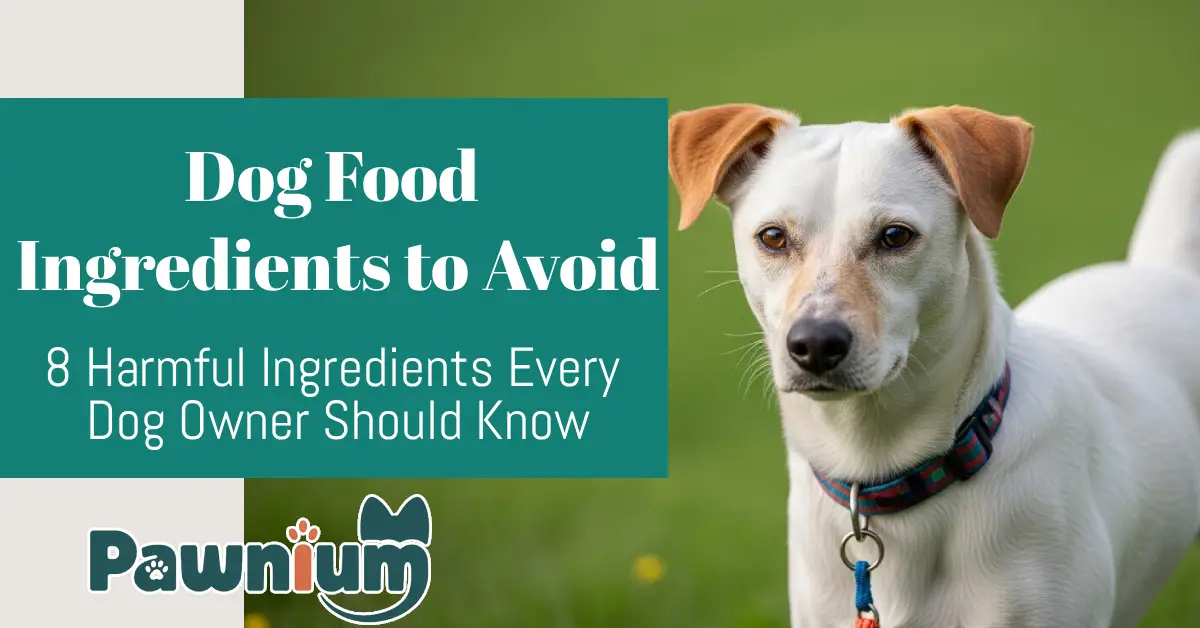
Dog Food Ingredients to Avoid: 8 Harmful Ingredients Every Dog Owner Should Know
Choosing the right food for your dog is one of the most important decisions you can make as a pet owner. Unfortunately, many commercial pet foods contain additives, fillers, and preservatives that can negatively affect your dog’s health.
Learning how to read dog food labels can help you identify dog food ingredients to avoid and ensure your pet gets proper nutrition. Some ingredients used in commercial dog food are added only to improve shelf life, color, or taste—not nutritional value.
In this guide, you’ll discover the most harmful ingredients in dog food, how to identify them on labels, and what healthier alternatives to look for.
Quick List: Dog Food Ingredients to Avoid
If you’re in a hurry, these are the most common harmful ingredients found in dog food:
- BHA and BHT preservatives
- Ethoxyquin
- Generic meat by-products
- Artificial food dyes (Red 40, Yellow 5, Blue 2)
- Corn syrup and artificial sweeteners
- Propylene glycol
- Carrageenan
- MSG (Monosodium Glutamate)
Avoiding these ingredients can help reduce the risk of digestive issues, allergies, obesity, and long-term health problems in dogs.
Why Dog Food Labels Matter
Many dog food packages advertise phrases like “natural,” “premium,” or “vet-recommended.” However, these marketing terms don’t always reflect the true quality of the ingredients.
The ingredient list on the back of the bag tells the real story. Ingredients are listed by weight, meaning the first five ingredients make up most of the product.
Ideally, a high-quality dog food should include:
- Real named meats (chicken, turkey, salmon)
- Whole vegetables
- Natural preservatives
- Healthy fats
If you notice artificial additives or vague ingredient names, it may be time to switch brands.
8 Dog Food Ingredients to Avoid
1. BHA, BHT, and Ethoxyquin
These chemical preservatives are commonly used to extend the shelf life of processed dog food.
Why they’re harmful:
- BHA and BHT are suspected carcinogens
- Ethoxyquin has been linked to liver and kidney problems in animals
- These chemicals are often used in low-quality kibble
Many pet nutrition experts recommend choosing foods preserved with natural antioxidants like vitamin E (tocopherols) instead.
2. Generic Meat Meal or Meat By-Products
Not all meat meals are bad. For example, “chicken meal” can be a concentrated protein source. However, generic labels like “meat meal” or “animal by-products” are concerning because they don’t specify the source.
Possible sources may include:
- Slaughterhouse waste
- Diseased animal tissue
- Low-quality animal parts
High-quality dog foods clearly identify their protein sources.
3. Artificial Food Dyes
Many commercial dog foods contain artificial colors such as Red 40, Yellow 5, and Blue 2. These dyes are added only to make the food look appealing to humans—dogs do not care about color.
Potential risks: Artificial dyes have been linked to allergic reactions, skin irritation, and hyperactivity in some pets. Natural foods rarely require artificial coloring.
4. Corn Syrup and Artificial Sweeteners
Sugar is sometimes added to pet food to improve taste and encourage picky eaters. However, ingredients like corn syrup provide empty calories and may lead to obesity, diabetes, and dental issues. Some specialty dog treats may even contain xylitol, an artificial sweetener that is extremely toxic to dogs and can cause rapid drops in blood sugar.
5. Propylene Glycol
Propylene glycol is often used in semi-moist dog foods to maintain texture and moisture. Although it is approved in small amounts, it is chemically related to antifreeze compounds.
Potential concerns: Digestive irritation, long-term toxicity risk, and unnecessary chemical additive. Healthier dog foods avoid synthetic texture enhancers altogether.
6. Carrageenan
Carrageenan is a thickening agent commonly found in canned and wet dog foods. It is derived from seaweed but has become controversial due to research linking degraded carrageenan to intestinal inflammation and digestive issues. Dogs with sensitive stomachs may experience diarrhea, gastrointestinal irritation, or chronic inflammation. Many natural pet food brands now avoid carrageenan entirely.
7. MSG (Monosodium Glutamate)
MSG is a flavor enhancer used to make lower-quality food taste better. It can also appear under alternative names such as hydrolyzed protein, yeast extract, or autolyzed yeast.
Why it’s problematic: MSG may trigger allergic reactions, digestive discomfort, and increased food cravings. It’s often used to mask poor-quality ingredients.
8. Sodium Selenite
Selenium is an essential mineral, but the synthetic form sodium selenite can be toxic in excessive amounts. More natural alternatives include selenium yeast or organic selenium compounds. High-quality dog food manufacturers usually prefer natural sources.
Ingredients That Commonly Cause Dog Skin Allergies
If your dog frequently experiences itching, redness, or hot spots, certain ingredients may be responsible. The most common dog food allergy triggers include:
- Wheat Gluten: Many dogs struggle to digest wheat products, which may lead to inflammation and skin irritation.
- Soy: Soy is often used as a cheap protein filler but can trigger allergic reactions in sensitive dogs.
- Beef or Chicken: Surprisingly, common proteins like beef and chicken can cause allergies in some dogs. Switching to novel proteins such as duck, venison, or salmon may help relieve symptoms.
Healthy Ingredients to Look For in Dog Food
Instead of focusing only on what to avoid, it’s also important to know what good dog food ingredients look like. High-quality dog food usually includes:
High-Quality Protein: Examples include Chicken, Turkey, Salmon, and Lamb. Protein should be the first ingredient on the label.
Complex Carbohydrates: Healthy carbs provide energy and fiber. Good options include sweet potatoes, brown rice, pumpkin, and oats. These ingredients support digestion and provide nutrients.
Healthy Fats: Healthy fats support skin health, brain function, and a shiny coat. Look for salmon oil, flaxseed oil, and chicken fat.
Fruits and Vegetables: Natural dog foods often include nutrient-rich produce such as carrots, blueberries, spinach, and peas. These ingredients provide vitamins, antioxidants, and fiber.
How to Read Dog Food Labels Properly
Understanding dog food labels can help you avoid low-quality products. Here are a few simple tips.
Check the First Five Ingredients: The first five ingredients make up the majority of the food. The first ingredient should ideally be a named meat source (Good: Chicken, Salmon, Turkey | Bad: Meat meal, Animal by-products, Corn).
Avoid Vague Ingredient Names: Low-quality foods often use vague terms like “animal fat,” “poultry flavor,” or “meat by-products.” Transparency is a sign of a trustworthy brand.
Watch for Fillers: Cheap fillers add bulk but little nutritional value. Common fillers include corn, wheat, and soy. High-quality foods use whole ingredients instead.
| Ingredient | Why It’s Harmful |
|---|---|
| BHA / BHT | Possible carcinogens |
| Ethoxyquin | Linked to organ damage |
| Artificial dyes | Allergies and hyperactivity |
| Corn syrup | Leads to obesity and diabetes |
| Propylene glycol | Synthetic chemical additive |
| Carrageenan | May cause gut inflammation |
| MSG | Artificial flavor enhancer |
| Sodium selenite | Toxic in high doses |
Frequently Asked Questions (FAQ)
What ingredients should dogs avoid in food?
Dogs should avoid artificial preservatives, food dyes, corn syrup, MSG, carrageenan, and generic meat by-products. These ingredients may cause allergies, digestive issues, or long-term health problems.
Is meat meal bad for dogs?
Not necessarily. Named meat meals like chicken meal or fish meal can be nutritious. However, generic meat meal is questionable because the source is unclear.
What is the healthiest ingredient in dog food?
High-quality dog foods usually start with whole animal proteins such as chicken, turkey, or salmon. These ingredients provide essential amino acids for muscle development and overall health.
Can bad dog food cause skin problems?
Yes. Poor-quality ingredients, artificial additives, and common allergens like wheat or soy can contribute to itching, hot spots, and skin irritation in dogs.
Final Thoughts
Understanding dog food ingredients to avoid is essential for protecting your pet’s long-term health. Many commercial dog foods contain unnecessary additives that provide little nutritional value and may contribute to chronic health issues. By choosing dog food made with real meat, natural preservatives, and whole ingredients, you can give your dog the balanced nutrition they need to thrive. Always read ingredient labels carefully, and if you’re unsure about your dog’s diet, consult a veterinarian or pet nutrition specialist for guidance.