Ethical Dog Breeder vs. Rescue: Which Path Is Right for Your Next Canine Companion? (Adoption & Purchase Guide)
Welcoming a new four-legged family member requires deciding between ethical dog breeder vs rescue adoption, a choice that shapes the next decade or more of your household dynamics. Many prospective owners struggle with buying vs adopting a dog, weighing the profound humanitarian impact of sheltering a displaced animal against the predictable traits of a purpose-bred puppy. Evaluating these options objectively requires looking past emotional appeals to examine the realities of shelter populations alongside ethical breeding practices. This comprehensive guide analyzes the nuances of both paths, helping you determine which route aligns with your lifestyle, experience level, and long-term commitment capacity.
Finding the right match requires balancing aesthetic appeal with practical functionality. By reviewing the linguistic roots and cultural significance behind these words, you can confidently assign a moniker that honors your dog’s unique personality.
The Core Philosophy and Humanitarian Impact of Rescue Adoption
Choosing to give a second chance to a displaced animal offers a deeply rewarding experience that directly addresses broader community welfare challenges. Understanding how shelter systems function clarifies the unique value proposition of rescue placement.
Saving Lives and Mitigating Shelter Overpopulation
Animal shelters and foster-based rescue organizations receive countless dogs surrendered due to owner lifestyle changes, economic hardship, or abandonment. Adopting a homeless animal opens up critical physical capacity within overcrowded facilities, directly saving a life and reducing euthanasia rates. This humanitarian choice supports community-wide animal welfare stewardship without funding commercial production models. For early developmental insights into incorporating a new animal into your household, review our guide on [how to choose the right puppy].
Understanding Rescue Demographics and Adult Dogs
Unlike litters of newborn puppies, the rescue population typically consists of adolescent and adult dogs whose fundamental personalities, coat types, and mature body sizes are already established. Experienced rescue foster families observe these animals in home environments, noting how they interact with cats, children, and strangers. This transparency allows prospective adopters to select a companion whose temperament matches their exact daily routine.
Practical Step: Request detailed foster home behavioral logs from rescue coordinators to gain authentic insights into a dog’s house-training status, leash manners, and indoor demeanor before finalizing your adoption application.
Navigating the Practical Realities of Adopting From a Dog Rescue
The adoption process involves specific administrative steps, vetting protocols, and behavioral considerations designed to ensure permanent, successful placements.
The Screening Process and Rescue Adoption Fees
Reputable rescue organizations enforce rigorous screening procedures—including reference checks, veterinary history verifications, and home inspections—to vet prospective adopters thoroughly. Adoption fees cover essential veterinary overhead, including spay or neuter surgeries, microchipping, rabies vaccinations, and parasite treatments. While these fees help sustain rescue operations, adopters should anticipate covering ongoing medical care upon arrival.
Managing Behavioral History and Rehabilitation
Many rescue dogs arrive with unknown backgrounds or mild behavioral challenges stemming from past neglect, abrupt transitions, or sensory deprivation. Successful integration requires patience, consistent boundaries, and positive reinforcement training to rebuild trust and confidence. Adopters must be prepared to invest time in desensitization and socialization protocols. When shaping positive behavioral habits, consult resources on [positive reinforcement dog training].
The Mandate of Ethical Breeding and Responsible Stewardship
Purchasing a dog from a dedicated preservation breeder offers distinct advantages, particularly for owners seeking specific working traits, predictable sizes, or hypoallergenic coats.
Finding a Responsible Dog Breeder Through Genetic Screening
A dedicated preservationist prioritizes the genetic health, structural soundness, and temperament of their lines above all commercial considerations. Responsible professionals conduct rigorous health evaluations—such as orthopedic foundation assessments, cardiac evaluations, and DNA panels—to eliminate inherited disorders before breeding. Reviewing these medical clearances ensures that puppies start life with maximum genetic resilience. For ongoing health tracking milestones, review our guide on [puppy health and wellness].
Preserving Breed Standards and Predictable Temperaments
Pedigreed breeding preserves distinct historical traits, working capabilities, and predictable physical characteristics established over centuries of careful selection. Whether you require a high-drive herding dog for agricultural work or a low-energy companion for apartment living, breed predictability simplifies lifestyle alignment. This structural and temperamental consistency gives owners clear expectations regarding future grooming, exercise, and training requirements.
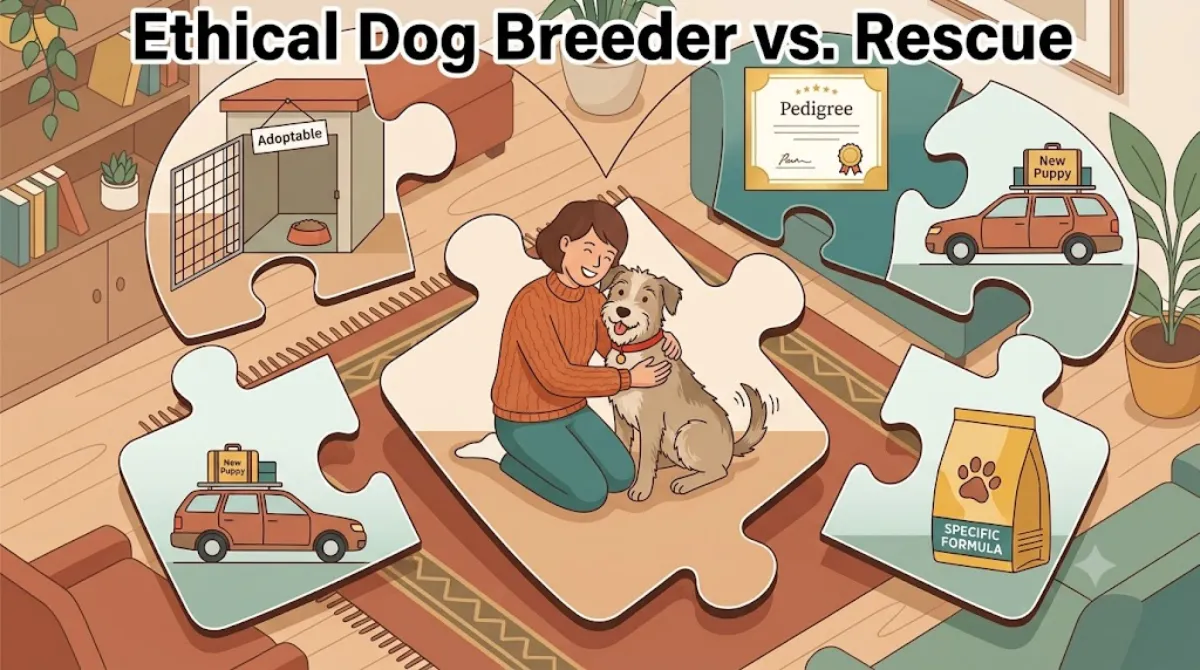
Safety Reminder: Never purchase a puppy from a seller who refuses to let you meet the mother dog on-site or hides their kennel facilities behind off-site drop-off locations.
Avoiding Puppy Mills and Unscrupulous Commercial Brokers
Distinguishing between a preservationist producer and a commercial mass-breeding facility is essential for protecting animal welfare and avoiding lifelong veterinary heartbreak.
Red Flags in Commercial Breeding Operations: Commercial puppy mills prioritize high-volume financial output over animal health, keeping breeding dogs in cramped, unsanitary cages with zero socialization. These operations frequently sell through online broker websites, pet stores, or flea markets using deceptive advertising and forged health guarantees. Supporting these commercial entities perpetuates a cycle of chronic neglect and genetic disease.
The Importance of Meeting the Dam and Sire: An ethical producer welcomes prospective puppy buyers to their home or kennel, encouraging them to observe the living conditions and interact with the adult breeding dogs. Meeting the mother dog reveals her temperament, nervous stability, and structural soundness—key indicators of how the puppies will develop. Transparency regarding kennel management distinguishes dedicated preservationists from profit-driven brokers.
Comparative Breakdown: Lifestyle, Age, and Predictability
Evaluating the ethical dog breeder vs rescue dilemma requires analyzing how your daily routine interacts with different canine life stages.
Matching Energy Levels to Family Dynamics
Raising a newborn puppy requires round-the-clock house-training, socialization, and teething management that can overwhelm busy professionals or households with demanding schedules. Conversely, adopting a mature adult dog from a rescue often bypasses the intense puppy chewing phase, offering an animal ready for immediate hiking or relaxing. Assessing your available time investment dictates whether an adult rescue or a puppy is the wiser choice.
Financial and Long-Term Medical Commitments
While rescue adoption fees are typically lower than the upfront purchase price of a well-bred purebred puppy, older rescue dogs may carry latent medical conditions requiring specialized senior veterinary care. Purebred puppies purchased from health-tested lines carry upfront purchase investments but come with documented generational health histories that mitigate unexpected hereditary expenses. To understand how age and environment influence domestic behavior, explore guidance in [understanding dog behavior].
Pet Owner Note: Establish a dedicated veterinary emergency fund regardless of whether you adopt a rescue or purchase a purebred puppy to ensure financial preparedness for unexpected medical needs.
Frequently Asked Questions
- Are rescue dogs more likely to develop behavioral problems than puppies from breeders? While some rescue dogs require rehabilitation from past neglect, well-socialized rescue adults often possess balanced temperaments, whereas poorly bred puppies can develop severe behavioral issues regardless of their early start.
- Why do ethical dog breeders charge high prices for puppies? Ethical breeding involves immense financial investment in health screenings, genetic testing, high-quality nutrition, professional veterinary care, and round-the-clock socialization before puppies go home.
- Can I find purebred dogs through rescue organizations? Yes, approximately twenty to thirty percent of dogs in shelters and dedicated breed-specific rescues are purebred animals surrendered by owners who could no longer care for them.
- What is the average wait time when working with a preservation breeder? Wait times vary widely depending on demand and litter frequency, often ranging from several months to over a year as ethical producers prioritize careful placement over rapid sales.
- Do rescue organizations perform temperament evaluations on incoming dogs? Most reputable rescues conduct basic behavioral assessments to understand resource guarding, dog sociability, and handling tolerance, though a dog’s true personality often shines brightest after settling into a permanent home.
- Is fostering-to-adopt a standard practice among rescue groups? Many foster-based rescues offer a trial adoption period to ensure the dog integrates successfully into your household dynamics before finalizing the permanent adoption contract.
Conclusion
Deciding between adopting an animal or finding a responsible dog breeder represents a deeply personal choice rooted in your household’s unique values, lifestyle, and capabilities. Both paths offer the profound reward of sharing your life with a loyal canine companion when executed with careful research and ethical discernment. Whether you choose to save a displaced life from an overcrowded shelter or invest in a health-tested purebred puppy from dedicated preservationists, responsible stewardship remains the ultimate priority. Take the next practical step today by assessing your daily schedule and researching local rescue groups or established breed clubs in your region while utilizing ethical breeding practices and proper adopting from a dog rescue strategies to understand the dog adoption pros and cons.