
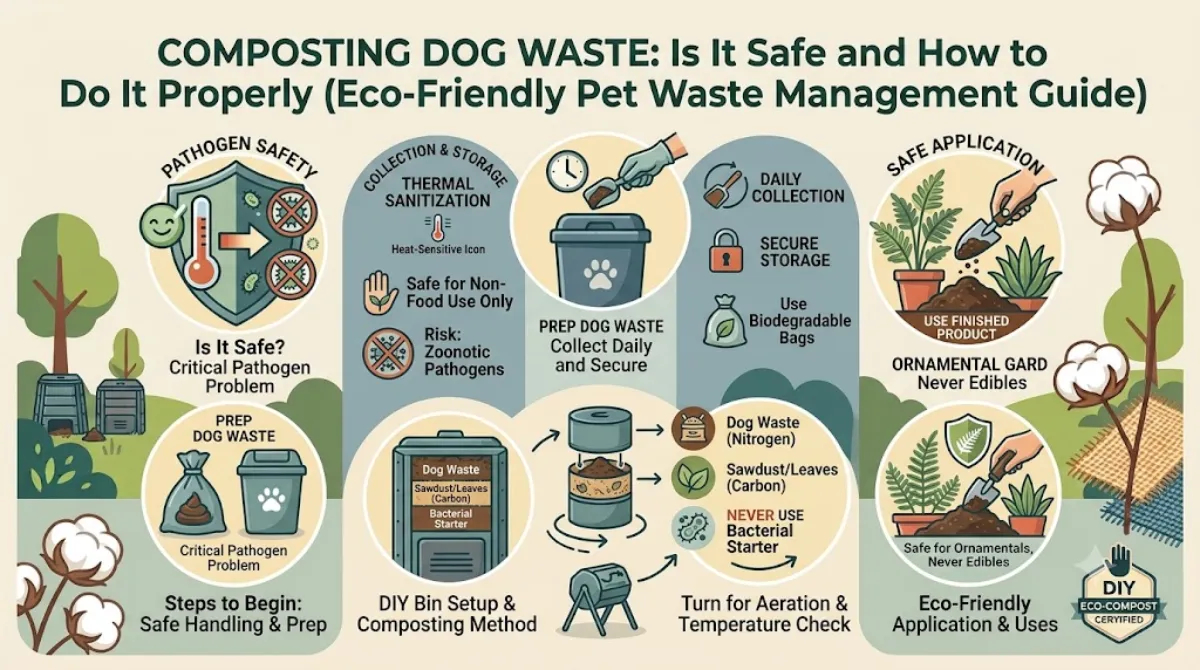
Composting Dog Waste: Is It Safe and How to Do It Properly (Eco-Friendly Pet Waste Management Guide)
Managing daily household waste while striving to maintain an eco-friendly lifestyle often brings up the question of whether recycling canine manure is viable. Many dedicated handlers wonder if composting dog waste can be executed safely without threatening public health or contaminating garden soil. Exploring whether is dog waste compostable requires looking past standard vegetable composting rules to understand the unique microbiological challenges posed by carnivore manure. This comprehensive guide outlines the scientific realities, specialized equipment needs, and step-by-step methods required to process pet waste responsibly. By learning how to manage pathogen destruction and carbon-to-nitrogen balances, you can establish sustainable waste practices that protect your local ecosystem.
Finding the right match requires balancing aesthetic appeal with practical functionality. By reviewing the linguistic roots and cultural significance behind these words, you can confidently assign a moniker that honors your dog’s unique personality.
The Microbiological Risks and Realities of Carnivore Waste
Unlike the manure produced by herbivorous livestock like horses or cows, dog feces carries a dense load of zoonotic pathogens, parasites, and bacteria. Understanding these biological hazards is the first step toward safe handling.
Dangerous Pathogens and Parasites in Dog Feces
Canine waste frequently harbors microscopic organisms such as E. coli, Salmonella, Giardia, and roundworm eggs that can survive in standard soil environments for months or even years. When untreated waste is introduced directly into traditional garden beds, these resilient parasites pose severe infection risks to humans, wildlife, and domestic pets. Consequently, standard home compost bins intended for vegetable scraps and yard trimmings must never receive raw canine manure.
Why Standard Backyard Piles Fail Pet Waste
A typical backyard compost heap operates at moderate temperatures that encourage earthworms and beneficial bacteria to break down organic matter over several months. However, these low-heat conditions lack the thermal intensity required to neutralize dangerous canine pathogens. Processing pet manure successfully demands specialized high-heat containment systems or dedicated subterranean digesters designed explicitly for pathogen destruction. When establishing healthy household management routines for new pets, reviewing foundational guidance in our guide on [how to choose the right puppy] helps build responsible habits early.
Safety Reminder: Always wear protective gardening gloves and dedicated footwear when handling raw dog waste or managing pet compost bins to prevent accidental pathogen transmission.
High-Heat Composting Mechanics and Carbon Ratios
Achieving safe decomposition requires engineering an environment where internal temperatures soar high enough to destroy harmful bacteria while maintaining optimal chemical balance.
Achieving High-Heat Thermal Destruction
To neutralize stubborn parasites and pathogenic bacteria, a pet waste pile must sustain internal temperatures between 140 and 160 degrees Fahrenheit for a minimum of several consecutive weeks. This intense thermal threshold requires a well-insulated, enclosed bin or tumbler that traps metabolic heat generated by active microorganisms. Regularly turning the pile introduces oxygen and redistributes heat, ensuring that every section reaches the required sterilization temperature.
Balancing Carbon-to-Nitrogen Ratios in Pet Manure
Dog feces is exceptionally rich in nitrogen and moisture, meaning it requires a heavy infusion of dry carbon materials to decompose efficiently without creating foul odors or anaerobic sludge. Adding equal parts of dry sawdust, shredded brown paper, fallen autumn leaves, or untreated wood shavings balances the mixture. This structural carbon framework allows air pockets to form throughout the pile, supporting the aerobic bacteria necessary for rapid breakdown. For ongoing wellness tracking, review our guide on [puppy health and wellness].
Alternative Systems: Subterranean Digesters and Worm Composting Safety
If managing a high-heat thermal pile sounds too labor-intensive, alternative containment systems offer simpler ways to process pet waste on residential properties.
Subterranean Pet Waste Digesters
A pet waste digester is a specialized, perforated cylinder installed directly into a deep hole dug into your backyard soil. Dropping waste inside the canister alongside water and specialized bacterial enzyme tablets breaks down the solid matter into liquid form, which filters harmlessly into the subsoil below. Because these units operate underground, they remain out of sight and contain odors effectively while utilizing natural earth filtration.
Why Standard Vermicomposting Is Unsafe for Dog Poop
Red wriggler worms used in traditional vermicomposting bins thrive on fruit and vegetable scraps but cannot survive the high acidity, heavy pathogen loads, and protein concentrations found in dog feces. Introducing canine manure into a standard worm bin will quickly kill the worm population and generate toxic leachate. Specialized underground systems or dedicated thermal bins must be utilized instead of household worm farms. When training your dog to maintain clean habits, consult resources on [positive reinforcement dog training].
Practical Step: Locate any subterranean pet waste digester at least thirty feet away from vegetable gardens, water wells, and property boundary lines to ensure environmental safety.
Restricting Compost Usage to Non-Food Gardens
Even after a pet waste pile has completed its thermal decomposition cycle, understanding where the resulting amendment can be applied safely remains paramount.
Protecting Edible Vegetable Gardens From Contamination
Applying composted pet waste to vegetable beds, fruit orchards, or herb gardens carries an unacceptable risk of cross-contamination that can transmit food-borne illnesses to humans. Residual microscopic pathogens or heavy metals from canine de-worming medications can linger in the finished humus, threatening edible crops. Therefore, finished pet compost must be strictly restricted to ornamental landscaping.
Safe Application in Ornamental Landscaping and Trees
The nutrient-rich soil amendment produced by properly managed pet waste systems makes an exceptional fertilizer for non-food plants, ornamental flower beds, established shrubs, and shade trees. Because these plants are not consumed by humans or livestock, utilizing the compost here recycles organic nutrients safely. This targeted application eliminates agricultural health risks while enriching residential landscaping. To understand how environmental management practices influence household routines, explore guidance in [understanding dog behavior].
Pet Owner Note: Clearly label your pet waste composting area and designate separate garden tools exclusively for handling pet manure compost to prevent cross-contamination with your vegetable garden.
Common Mistakes to Avoid When Processing Pet Manure
Attempting to shortcut the composting process introduces significant hygiene risks and structural failures that can ruin your entire system.
Dumping Plastic Bags Into Decomposition Chambers: A frequent error involves tossing standard petroleum plastic waste bags directly into composting bins or digesters. Traditional polyethylene bags do not break down and will wrap around turning mechanisms, while even biodegradable bags often require industrial facilities to degrade properly. Always empty the waste out of the collection bag directly into the chamber and dispose of the bag separately in municipal waste streams.
Ignoring Moisture Levels and Odor Control Management: Allowing a pet waste pile to become waterlogged turns it into a stagnant, foul-smelling anaerobic bog that attracts pests and flies. Conversely, a completely dry pile halts microbial activity entirely. Maintaining a damp sponge consistency by adding water only when necessary keeps aerobic bacteria active and odor levels minimal.
Vet Check: Schedule a professional veterinary examination if your dog experiences chronic diarrhea or parasite infections, as infected waste requires careful handling during treatment phases.
Frequently Asked Questions
- Can I put cat feces into the same composting system as dog waste? No, cat feces often contains Toxoplasma gondii, an extremely resilient parasite that poses severe health risks to pregnant humans and wildlife, making it unsafe for standard pet composting.
- How long does it take for dog waste to break down completely in a digester? Depending on ambient temperatures and enzyme usage, solid dog waste typically liquifies and filters into the subsoil within four to six weeks inside a subterranean digester.
- Does de-worming medication affect the composting process? Chemical residues from veterinary de-worming treatments or flea medications can kill beneficial composting bacteria and disrupt microbial breakdown inside the system.
- Can I use finished dog waste compost on my lawn where children play? It is strongly recommended to restrict pet waste compost exclusively to non-play ornamental flower beds and deep tree rings to eliminate any potential skin contact with residual pathogens.
- What is the best carbon additive for balancing wet dog manure? Dry sawdust, untreated wood shavings, and shredded brown paper provide the ideal carbon structure to absorb excess moisture and aerate dense pet manure.
- How do I keep flies and rodents away from an outdoor pet waste bin? Ensure your composting bin features a tight-fitting lid, maintain a thick layer of carbon material over fresh waste deposits, and avoid adding food scraps to the pet pile.
Conclusion
Processing canine manure through proper eco-friendly dog waste disposal methods offers a meaningful way to reduce landfill accumulation while enriching non-food landscaping. By mastering high-heat thermal management, utilizing subterranean digesters, and strictly restricting finished humus to ornamental gardens, handlers can practice sustainable pet care safely. Understanding the microbiological realities of carnivore waste ensures that environmental enthusiasm never compromises public health or family safety. Take the next practical step today by evaluating your backyard layout to determine whether a dedicated thermal bin or subterranean digester best suits your property’s needs through backyard pet waste composting and safe dog manure composting guide practices.