

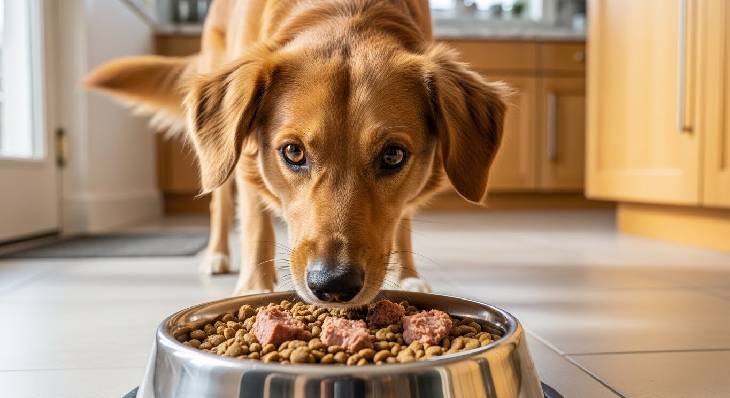
Dogs love eating, and for many pet owners, mealtime is one of the joys of having a furry companion. However, managing picky dogs can be challenging. Picky eating is a common issue among dogs, and finding the right dog food for picky eaters often requires patience, experimentation, and guidance.
Before making any significant dietary changes, a veterinarian consultation is recommended to rule out underlying health concerns.
Jump to Sections
- What Motivates a Dog To Eat?
- Why Is My Dog a Picky Eater?
- Normal vs Picky Behavior
- How Much Food Should a Dog Eat?
- Tips to Entice Picky Eaters
- Best Dog Food Options
- When to Contact a Vet
- FAQs About Dog Food for Picky Eaters
- Key Takeaways
What Motivates a Dog To Eat?
Several factors influence a dog’s appetite. Understanding these motivations can help manage picky eating:
- Smell: Dogs have an extraordinary sense of smell. Strong, appetizing aromas can make food more appealing.
- Taste: Flavor preferences vary; some dogs prefer chicken-based meals, while others enjoy beef or fish.
- Texture: Crunchy kibble vs soft wet food can impact willingness to eat.
- Body condition: Health, hormones, and energy levels affect appetite.
- Fullness/Appetite: Dogs regulate their own intake based on satiety signals.
Why Is My Dog a Picky Eater?
Picky eating may be normal for some dogs, but sudden or persistent changes can indicate health concerns. Common causes include:
- Underlying medical conditions: Illness, dental pain, gastrointestinal (GI) issues.
- Too many extras: Excessive treats or table scraps can reduce interest in regular meals.
- Behavioral causes: Learned habits where dogs wait for “better” food.
- Food issues: Sensitivity to texture, temperature, spoilage, or contamination.
- Breed-specific traits: Basenjis, Toy Poodles, Yorkies may be naturally picky.
- Age & life stage: Puppies, adults, and seniors have different appetites.
- Stress & anxiety: Environmental stress can reduce interest in eating.
- Seasonal appetite changes: Some dogs eat less in warmer months or after activity changes.
Normal Behavior vs Picky-Eater Problem
| Behavior | Normal Variation | Picky-Eater Problem |
|---|---|---|
| Skipping a meal | Occasionally | Multiple meals consistently |
| Sniffing food | Eats later | Leaves food untouched hours/days |
| Preferring textures/flavors | Common preference | Won’t eat unless altered/hand-fed |
| Acting nervous | No | Yes |
| Vomiting, diarrhea, lethargy | No | Yes |
| Weight loss | No (normal skinny) | Yes |
| Sudden appetite change | No | Yes |
How Much Food Should a Dog Eat?
Determining food quantity depends on several factors:
- Age: Puppies need more frequent meals, adults less frequent.
- Size: Larger breeds require more calories than smaller breeds.
- Activity level: Active dogs burn more energy.
- Health status: Illness or medical conditions can reduce intake.
- Type of food: Dry kibble, wet food, and fresh diets vary in caloric density.
- Feeding charts on labels: A helpful guide for portion sizes.
Tips to Entice Picky Eaters
Making meals appealing to picky dogs often requires strategy:
- Switch Food
- Wet/fresh food may be more tempting.
- High nutrient density diets can encourage eating.
- Transition gradually to avoid gastrointestinal upset.
- Add Toppers (Sparingly)
- Boost flavor and aroma without overfeeding.
- Recommended toppers:
- Tiki Dog Tummy Topper
- Merrick Beef Bone Broth
- Warm Food
- Heat wet food to ~100°F (38°C) to enhance smell and appeal.
- Increase Exercise Before Meals
- A short walk or play session can stimulate appetite.
- Consistency
- Serve meals at regular times and remove uneaten food after 15–30 minutes.
- Avoid Table Scraps and Excess Treats
- Prevents bad habits and preserves appetite for proper meals.
Recommended Products (Topper / Exercise / Food)
| Product | Purpose | Details |
|---|---|---|
| Tiki Dog Tummy Topper | Flavor topper | Pumpkin & Ginger, grain-free, wet dog food topper |
| Merrick Beef Bone Broth | Aroma & nutrition | 7-oz pouch, adds flavor and moisture |
| Frisco Comfort Padded Dog Leash | Exercise | Encourages walks, small size available |
| Frisco Fetch Squeaky Tennis Ball | Play | Stimulates activity before meals |
Best Dog Food Options
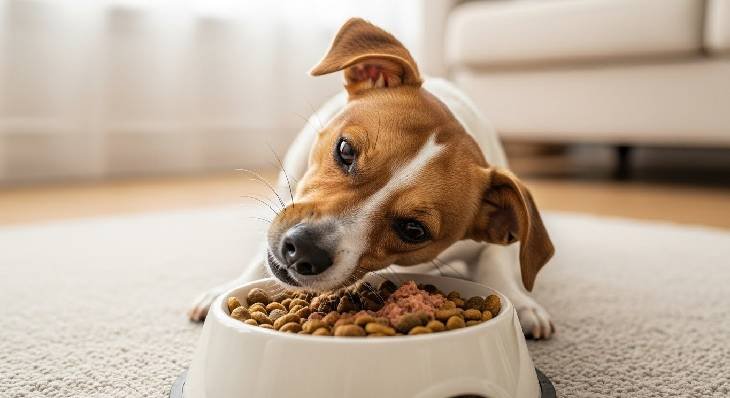
Choosing the right food depends on taste, nutrition, and your dog’s life stage:
- Taste + nutrition
- Life stage and health tailored
- Calorie dense
Vet-Recommended Dog Food for Picky Eaters
| Type | Brand & Product | Details |
|---|---|---|
| Dry | Eukanuba Premium Performance 30/20 SPORT | 14-lb bag, balanced nutrition |
| Wet | Nulo Gently-Cooked Beef & Sweet Potato | 9-oz pouch, case of 8, highly palatable |
| Canned | CANIDAE All Life Stages Chicken & Rice | 13-oz, case of 12, complete nutrition |
| Toppers | Nulo FreeStyle Lamb, Mackerel & Kelp | 2.8-oz, case of 24, flavor enhancer |
| Fresh | JustFoodForDogs Pantry Fresh Beef & Russet Potato | 12.5-oz pouch, single case |
When Should I Talk To My Veterinarian?
Consult your veterinarian if:
- Persistent picky eating
- Puppies or seniors
- Chronic health conditions
- No food intake > 24–48 hours
- Signs of illness: vomiting, diarrhea, lethargy
Key Takeaways
- Dogs with picky eating habits may benefit from food that combines aroma, texture, and nutritional density.
- Consider life stage nutrition to meet specific dietary needs.
- Dry food like Eukanuba Premium Performance 30/20 provides balanced nutrition and palatability.
- Wet/fresh food options (Nulo Gently-Cooked, JustFoodForDogs Pantry Fresh) offer moisture, aroma, and enhanced appeal.
- Food toppers can stimulate interest and increase food intake.
- Always seek veterinary consultation for medical issues if picky eating persists or is accompanied by other symptoms.
FAQs About Dog Food for Picky Eaters
How long can a picky dog safely go without eating?
Healthy adult dogs can go up to 48 hours. Puppies, seniors, and dogs with health conditions need immediate attention if they skip a meal.
What is the best-tasting dog food for picky eaters?
Wet foods and fresh diets are generally more appealing due to stronger aroma, taste, and texture.
Should I feed my picky dog a homemade diet?
Homemade meals can work but require veterinary consultation to ensure complete nutrition.
Can adding toppers help my picky dog eat?
Yes, toppers improve flavor and aroma but should be used sparingly to prevent imbalanced nutrition.
When is picky eating a medical issue?
Seek veterinary advice if picky eating is new or accompanied by weight loss, vomiting, diarrhea, or lethargy.