
Arthritis in Cats: Joint Pain Signs Owners Often Miss
Arthritis in cats often looks different from the obvious limping people expect. A cat with painful joints may simply stop jumping to a favourite windowsill, hesitate on stairs, sleep in easier-to-reach places, groom less effectively or begin missing the litter box because climbing into it hurts. These functional changes are easy to label as “slowing down,” especially in an older cat.
Feline osteoarthritis is a progressive joint disease, and pain can be subtle. The most useful clues often come from comparing what the cat can comfortably do now with what they used to do. Veterinary assessment is needed because reduced mobility can also occur with neurological disease, injury, weakness and other medical problems.
Direct Answer
Common signs of feline arthritis include jumping less often or not as high, hesitating before jumps, changing how stairs are used, difficulty entering the litter box, reduced play, stiffness, grooming changes, irritability and choosing easier sleeping locations. Cats may not limp obviously. Record functional changes or videos at home and arrange veterinary assessment rather than assuming reduced activity is normal ageing.
What Is Feline Osteoarthritis?
Osteoarthritis is a degenerative joint disease in which joint structures change over time, resulting in inflammation, reduced function and pain. It can affect one or multiple joints and may occur in cats of different ages, although it becomes more common and often more significant in older animals.
Diagnosis is not based on one behaviour alone. A veterinarian considers history, physical and musculoskeletal examination, pain assessment and, when appropriate, imaging or other tests.
Why Cats May Hide Pain
Cats often do not show pain through dramatic vocalisation or obvious limping. Instead, they change behaviour to avoid movements that hurt.
A cat that no longer jumps onto the bed may appear “calmer,” but the change can actually be a strategy to avoid discomfort. That makes owner observation especially important.
Reduced Jumping
One of the most common functional clues is simply jumping less. The cat may stop using a high counter, shelf, cat tree or windowsill they previously visited often.
Do not test this by repeatedly encouraging the cat to jump. Record what happens naturally and share the pattern with your veterinarian.
Lower Jump Height
A cat may still jump but choose lower targets. For example, they may move from the floor to a chair and then to the sofa instead of jumping directly to the sofa.
Creating intermediate steps can preserve independence while the cause is assessed.
Hesitation Before Jumping
Watch for repeated crouching, repositioning, looking up and backing away before a jump. The cat may appear to “think about it” for longer than before.
This can reflect pain, weakness or visual uncertainty, so it is a useful observation rather than a diagnosis by itself.
Stair Changes
A cat with joint discomfort may take stairs more slowly, pause partway, use one step at a time or avoid stairs completely. Some cats show more difficulty going down than up, or vice versa.
Make food, water and litter available on the cat’s main floor where practical.
Difficulty Entering the Litter Box
A high-sided box can become a physical obstacle. Cats may urinate or defecate beside the box because stepping over the entrance or squatting inside is painful.
Use Senior Cat Litter Box Setup for lower-entry and accessibility options.
Less Play
Arthritic cats may stop chasing toys, shorten play sessions or avoid activities requiring twisting and jumping.
Reduced play is not specific to arthritis, but a consistent decline is worth documenting. Adjust enrichment rather than forcing activity.
Reduced Overall Activity
A painful cat may spend more time resting and travel less between rooms. This can look like ordinary ageing, which is why Cornell and AAHA emphasize investigating functional changes.
Notice whether the cat still chooses to explore, greet family members and move between preferred resources.
Longer Rest Periods
More resting can result from reduced activity, but pain can also affect how comfortably a cat sleeps. Some cats repeatedly shift position or choose warmer, softer surfaces.
Do not judge arthritis from sleep alone; use it as one part of the overall pattern.
Stiff Movement
Stiffness may be most noticeable after rest. The first few steps can look slower or less fluid, and the cat may take longer to stretch or settle into movement.
Home videos can capture subtle stiffness more accurately than memory.
Grooming Changes
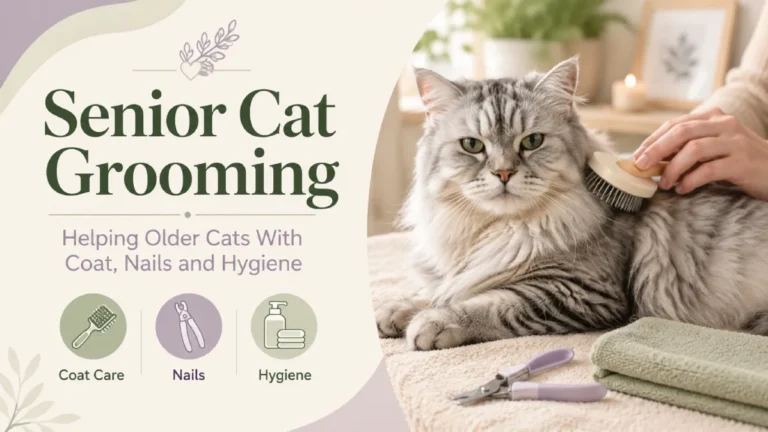
Pain in the spine, hips, knees or shoulders can make normal grooming positions difficult. Areas over the back or hindquarters may become greasy, dandruff-covered or tangled.
Reduced grooming can also occur with systemic disease or obesity, so a veterinary assessment should consider more than the joints.
Matted Coat
Mats may develop where the cat can no longer bend or twist comfortably. Do not pull tight mats away from the skin or force a painful cat into difficult grooming positions.
Ask for grooming help when needed and investigate the mobility change.
Overgrooming a Painful Area
Some cats lick or groom a painful region repeatedly rather than grooming less. Localized overgrooming may also have dermatologic or behavioural causes.
Do not assume anxiety without considering pain and skin disease.
Irritability
Joint pain can reduce tolerance for touch, handling or another pet’s rough play. A previously easygoing cat may hiss, swat or leave when touched over a painful area.
Do not punish the warning. Give the cat space and arrange assessment.
Reduced Handling Tolerance
Picking up, brushing, nail trimming or moving the cat may become harder. The cat may tense, growl or try to escape.
These changes can be early pain clues. Avoid manually flexing joints or “testing” sore areas at home.
Sleeping-Location Changes
A cat may abandon a high bed or window ledge and sleep on the floor or a low chair instead. This is often interpreted as a simple preference change, but reduced access can be the reason.
Provide warm, easily reached beds without removing the cat’s familiar preferred locations unnecessarily.
Toileting Changes
Arthritis can affect the route to the box, entry height and posture during elimination. A cat may avoid basement boxes, miss the box edge or choose a nearby floor surface.
House-soiling still needs medical evaluation because urinary and gastrointestinal disease can coexist with arthritis.
Muscle Loss
Chronic pain can reduce movement, and reduced movement can contribute to muscle loss. Muscle loss may also occur with age or chronic disease independently of arthritis.
Veterinarians assess muscle condition separately from body fat. A cat can lose muscle while still being overweight.
Videos Owners Can Record
Short videos from normal home life can be very useful. Record the cat:
- walking across the room
- jumping onto a normal sofa or bed
- jumping down
- using stairs if they normally do so
- entering the litter box
Do not create a difficult task solely for filming. Capture routine behaviour.
Keep a Mobility Diary
Record changes in function instead of writing only “seems stiff.” Useful entries include whether the cat can jump to a favourite surface, use stairs, enter the box, groom the back and engage in play.
Use the checklist below to make observations consistent.
Veterinary Examination
A veterinary assessment includes medical history and physical examination, with attention to gait, muscle condition, joint function, pain and other possible causes of reduced mobility.
Cats may move differently in the clinic because of fear or unfamiliar flooring, which is another reason home observations matter.
Pain Assessment
Veterinary teams may use validated pain or mobility tools alongside examination and caregiver reports. These instruments can help structure observations and monitor response over time.
A Pawnium checklist should not be substituted for a validated clinical pain scale.
Imaging and Diagnostic Context
Radiographs can identify structural joint changes, but imaging findings and pain do not always match perfectly. A veterinarian interprets imaging alongside function, examination and history.
Other tests may be needed if neurological disease, injury or systemic illness is suspected.
Weight Management
Excess body fat can add mechanical load and may worsen mobility. If a cat is overweight, a veterinarian can help design a safe, gradual weight-management plan.
Never crash-diet a cat. Rapid or severe calorie restriction can be dangerous.
Home Adaptations
Environmental changes can reduce the effort required for daily activities. Useful options include:
- secure rugs or runners on slippery floors
- stable steps or ramps to favourite surfaces
- low-entry litter boxes
- accessible food and water
- soft, easy-entry beds
See Senior Cat Home Setup and Senior Cat Mobility.
Veterinary Treatment Overview
Treatment is individualized and may combine veterinary pain management, weight management, environmental modification, appropriate activity and other therapies according to the cat’s diagnosis and health.
Do not start medication or supplements from online recommendations. Cats have important species-specific medication risks, and kidney, liver or other diseases can affect treatment choices.
Why Human Pain Medicines Are Dangerous
Never give ibuprofen, acetaminophen/paracetamol, aspirin or human arthritis medicines unless a veterinarian specifically directs their use for that cat.
Some common human medications can be severely toxic to cats. Do not calculate a dose from a human product or another pet’s prescription.
When Veterinary Evaluation Is Needed
Arrange assessment when you notice a new or progressive reduction in jumping, stairs, activity, grooming, litter-box access or handling tolerance.
Seek prompt care for sudden inability to walk, dragging a limb, major trauma, severe pain, collapse or another acute neurological or orthopedic emergency.
For a broader home health overview, see Cat Health Check at Home.
Cat Mobility Observation Checklist
| Activity | Normal | Changed | Unable | Unsure / Notes |
|---|---|---|---|---|
| Jump onto sofa | ☐ | ☐ | ☐ | ________ |
| Jump down | ☐ | ☐ | ☐ | ________ |
| Use stairs | ☐ | ☐ | ☐ | ________ |
| Enter litter box | ☐ | ☐ | ☐ | ________ |
| Groom back/hindquarters | ☐ | ☐ | ☐ | ________ |
| Play | ☐ | ☐ | ☐ | ________ |
| Walk | ☐ | ☐ | ☐ | ________ |
| Run | ☐ | ☐ | ☐ | ________ |
| Stretch | ☐ | ☐ | ☐ | ________ |
| Rest comfortably | ☐ | ☐ | ☐ | ________ |
Bring the checklist and any home videos to the veterinary appointment. It is an observation tool, not a diagnostic arthritis score.
Look for Changes Across an Entire Daily Routine
Joint pain often becomes easier to recognise when several ordinary activities are considered together. A cat may still reach the sofa, for example, but first use a footstool, pause before jumping and then avoid jumping down. The same cat may take stairs slowly, choose a lower bed and stop grooming the lower back effectively.
None of those observations proves arthritis by itself. Together, however, they provide a useful functional history for the veterinarian and can show how much daily life has changed.
Morning and After-Rest Movement
Notice how the cat moves after waking. Stiff first steps, a longer stretch before walking or reluctance to leave a resting area can be worth recording. Do not repeatedly wake or move the cat to test for stiffness.
Getting Up and Settling Down
Watch whether the cat circles, shifts position repeatedly or lowers the body more carefully than before. Joint discomfort can affect both movement and the choice of resting surface. A soft bed with easy entry may help comfort while assessment is being arranged.
Jumping Down Can Be as Informative as Jumping Up
Owners often notice failure to jump upward first, but landing also loads joints. A cat may hesitate before jumping down, look for intermediate surfaces or use a different route. Stable steps can reduce the height of each movement without forcing exercise.
Track Function After Treatment or Home Changes
If a veterinarian begins a treatment plan or you add ramps, rugs or a lower litter box, keep observing the same activities you recorded beforehand. Improvement in willingness to jump, groom, play or use the box can be meaningful information for follow-up.
Do not change several medications, supplements and environmental factors independently at the same time. Follow the veterinary plan so benefits and adverse effects can be assessed safely.
Do Not Use Appetite as the Only Measure of Comfort
Some cats with chronic joint pain continue eating normally. Preserved appetite therefore does not rule out painful movement. Functional changes in jumping, grooming, toileting, resting and handling tolerance remain important even when food intake appears unchanged.
Likewise, a cat that still jumps occasionally can have difficulty. Frequency, hesitation and route changes can be more informative than whether the cat is technically still able to complete a movement.
FAQs
What are the most common signs of arthritis in cats?
Reduced or lower jumping, stair changes, less play, stiffness, litter-box difficulty, grooming changes and different resting locations are common functional clues. Cats may not limp clearly.
My old cat cannot jump anymore. Is that just age?
No. Age does not explain the cause. Arthritis, pain, weakness, neurological disease, muscle loss and vision changes can all reduce jumping. Arrange veterinary assessment.
Can arthritis cause litter-box accidents?
Yes, joint pain can make stairs, box entry or toileting posture difficult. However, urinary and gastrointestinal causes also need consideration, especially if the change is new.
Can I give my cat ibuprofen for arthritis?
No. Ibuprofen can be dangerous to cats. Never give human pain or arthritis medication unless your veterinarian specifically directs it.
Does an X-ray prove my cat is in pain?
Imaging can show joint changes, but pain assessment requires the whole clinical picture, including behaviour, function, examination and history.
Should an arthritic cat exercise more?
Do not start a generic exercise program for unexplained mobility loss. Once the diagnosis and pain plan are established, your veterinarian can advise on safe movement and rehabilitation for the individual cat.
Bottom Line
Cat joint pain is often hidden in changes to everyday function rather than obvious limping. Watch jumping, stairs, litter-box entry, play, grooming, sleeping locations and handling tolerance.
If those activities change, record what you see and arrange veterinary assessment. Support comfort with accessible resources and secure footing, but do not self-medicate. The goal is to identify the cause of reduced mobility and build a safe, individualized pain and support plan.