DIY Natural Dog Shampoo: Chemical-Free Recipes for Healthy Skin and a Shiny Coat (Homemade Canine Wash Guide)
Bathing a canine companion with commercial products often exposes sensitive skin to artificial fragrances, synthetic detergents, and harsh preservatives that strip natural protective oils. Crafting a diy natural dog shampoo at home allows pet parents to control every ingredient, ensuring a truly chemical free dog shampoo experience that nurtures healthy coats without synthetic irritation. Understanding the physiological differences between human and canine skin architecture helps you formulate safe botanical washes tailored to your pet’s specific dermatological needs. This guide examines the science of canine skin balance, provides three customizable recipes, and details safe essential oil guidelines for gentle home grooming.
Finding the right match requires balancing aesthetic appeal with practical functionality. By reviewing the linguistic roots and cultural significance behind these words, you can confidently assign a moniker that honors your dog’s unique personality.
The Science of Canine Skin pH Balance and Commercial Detergents
Human skin and canine skin possess drastically different acid-base properties, which dictates how they react to topical soaps and cleansers. Recognizing these physiological boundaries prevents accidental skin damage during routine bathing sessions.
Why Human Shampoo Fails Canine Skin Architecture
Human skin features an acidic mantle with an average pH level hovering around 5.5, designed to ward off harmful bacteria and environmental pathogens. In contrast, canine skin maintains a much more neutral pH balance ranging between 6.2 and 7.5. Washing a dog with human shampoo disrupts this delicate neutral barrier, stripping away the protective sebum layer and leaving the skin vulnerable to cracking, flaking, and bacterial infections. Formulating or choosing a natural wash for dogs requires respecting this neutral baseline to maintain optimal dermal health.
Avoiding Harsh Synthetic Surfactants and Parabens
Commercial pet products frequently contain synthetic foaming agents like sodium lauryl sulfate (SLS) and artificial parabens that act as cheap chemical preservatives. While these ingredients create abundant lather and extend shelf life, they strip away essential skin lipids, causing severe dryness, itching, and allergic contact dermatitis. Transitioning to homemade dog shampoo recipes eliminates these toxic compounds entirely, protecting your dog’s systemic health and skin integrity. For foundational care insights during early development, review our guide on [how to choose the right puppy].
Pet Owner Note: Check commercial ingredient labels for hidden chemical surfactants; if a product produces excessive synthetic lather without natural saponification, it likely contains harsh detergents that irritate canine skin.
Core Ingredients for Safe, Botanical Grooming Formulations
Building an effective home grooming wash requires selecting wholesome, plant-based ingredients that cleanse thoroughly while depositing soothing moisture back into the skin and hair follicles.
Liquid Castile Soap as a Gentle Surfactant Base
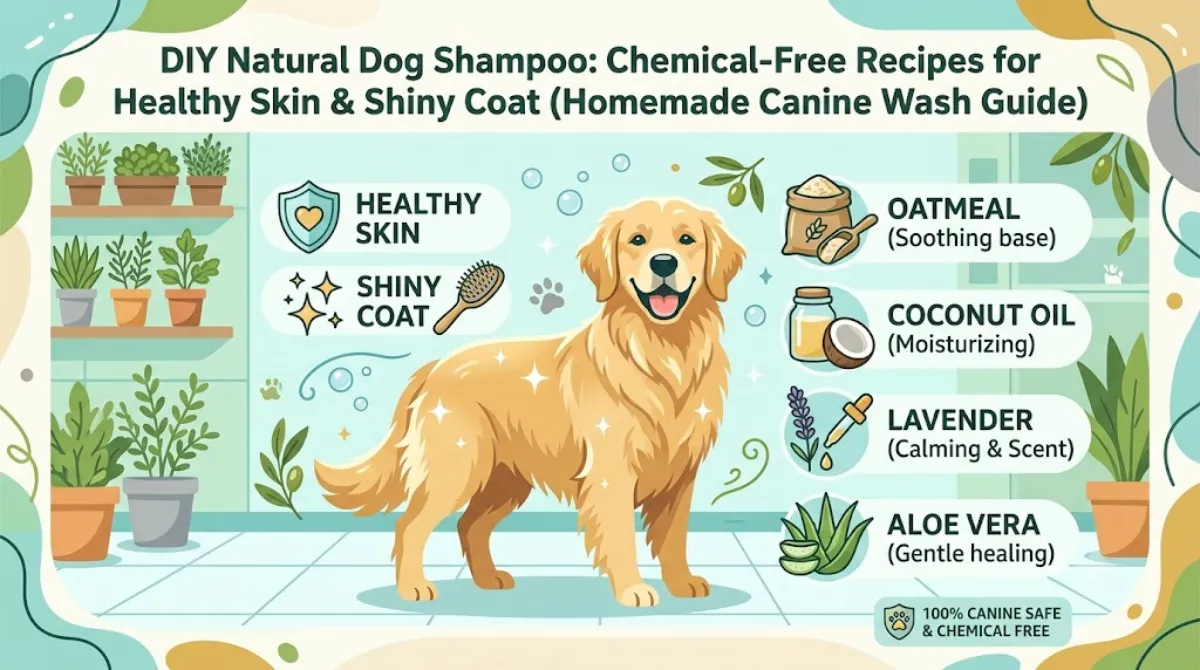
Liquid Castile soap, derived from vegetable oils like olive or coconut, serves as an exceptional biodegradable surfactant base for formulating a gentle DIY pet shampoo. It cleanses dirt and debris effectively without relying on petroleum-based detergents or synthetic foaming agents. Because pure Castile soap is highly concentrated, it must always be diluted properly with water and soothing botanical additives before contacting a dog’s skin.
Soothing Additives: Colloidal Oatmeal and Organic Aloe Vera
Colloidal oatmeal—finely ground whole oat grain—possesses natural anti-inflammatory properties that relieve itching, soothe insect bites, and calm irritated skin conditions. Pairing oatmeal with organic aloe vera gel introduces deep hydration, supplying vitamins and amino acids that accelerate minor skin healing. These natural additives transform a basic soap solution into a therapeutic treatment suitable for pets prone to dryness or seasonal allergies.
Three Custom Homemade Dog Shampoo Recipes for Different Skin Types
Different canine coats and skin sensitivities demand specialized formulations to achieve optimal cleanliness without triggering adverse reactions. Here are three vet-approved, balanced recipes designed for specific grooming needs.
1. The Ultra-Gentle Oatmeal Wash for Sensitive Skin
- Ingredients: 1 cup liquid Castile soap, 1 cup ground colloidal oatmeal, 1/2 cup distilled water, 1 tablespoon organic vegetable glycerin.
- Preparation: Whisk the colloidal oatmeal into the warm distilled water until completely smooth, then gently fold in the Castile soap and vegetable glycerin until well blended.
- Best For: Dogs with itchy, dry, or sensitive skin prone to environmental allergies.
2. The Clarifying Herbal Infusion for Active Outdoor Dogs
- Ingredients: 3/4 cup liquid Castile soap, 1/4 cup strong brewed organic chamomile tea (cooled), 1 tablespoon organic apple cider vinegar, 5 drops lavender essential oil (optional and heavily diluted).
- Preparation: Combine the cooled chamomile tea and apple cider vinegar, slowly stir in the Castile soap, and add the single drop of essential oil last.
- Best For: Active outdoor dogs needing odor neutralization and natural coat shine.
3. The Conditioning Coconut and Glycerin Gloss Formula
- Ingredients: 1 cup liquid Castile soap, 1/2 cup organic coconut milk, 1 tablespoon vegetable glycerin, 1/2 cup warm distilled water.
- Preparation: Mix the coconut milk and distilled water thoroughly, incorporate the vegetable glycerin for moisture retention, and slowly stir in the Castile soap.
- Best For: Long-haired or dull coats requiring deep hydration and detangling support.
Practical Step: Store your custom liquid washes in clean, airtight glass bottles or dispenser pumps, shaking gently before each bath since natural ingredients tend to separate over time.
Essential Oil Safety and Toxic Botanical Restrictions
While plant extracts add wonderful natural fragrances and therapeutic benefits, many common essential oils are profoundly toxic to domestic canines due to their sensitive olfactory systems and unique liver metabolism.
Identifying Safe Aromatics Versus Dangerous Toxins
Dogs possess a sense of smell hundreds of times sharper than humans, making concentrated aromatic compounds overwhelming and potentially hazardous. Essential oils such as tea tree, eucalyptus, pennyroyal, citrus, and cinnamon are strictly toxic to dogs and can cause severe neurological damage, liver failure, or skin burns. Safe alternatives like pure lavender or chamomile can be used in micro-doses, but many professionals recommend formulating an organic dog shampoo at home completely fragrance-free for maximum safety.
Correct Dilution Ratios and Application Warnings
If you choose to incorporate a certified pet-safe essential oil into your wash, dilution must remain extremely conservative—no more than one to two drops per entire batch of shampoo. Never apply undiluted essential oils directly to a dog’s skin or fur, as concentrated plant extracts can trigger acute contact dermatitis and respiratory distress. When implementing new grooming routines, consult resources on [positive reinforcement dog training] to keep the bathing experience calm and rewarding.
Step-by-Step Bathing Protocols Using Gentle DIY Pet Shampoo
Preparing your home and executing a structured bathing routine ensures your dog remains relaxed while you cleanse their coat thoroughly.
Preparing the Environment and Brushing Prior to Washing
Before introducing your dog to water, brush their coat thoroughly to remove loose fur, mats, and trapped dirt debris. Thorough pre-brushing prevents wet mats from tightening into painful pelts that require clipping. Place a non-slip rubber mat on the bottom of your tub or basin to prevent your dog from slipping during the wash.
Temperature Control, Lathering, and Complete Rinsing Techniques
Fill your basin with lukewarm water—never hot or ice cold—and wet your dog’s coat progressively from the paws upward, avoiding the inner ears and eyes. Apply a small amount of your prepared cleanser and massage it gently into a rich lather along the neck, back, chest, and legs. Rinse meticulously with clean water until every trace of soap is eliminated, as leftover residue can attract dirt and cause severe itching. For developmental health milestones, review our guide on [puppy health and wellness].
Safety Reminder: Place clean cotton balls gently inside your dog’s outer ear canals prior to bathing to prevent water from entering and causing painful secondary ear infections.
Troubleshooting Skin Reactions and When to Visit a Veterinarian
While botanical washes are exceptionally safe, every animal’s immune system is unique, and unexpected sensitivities can occasionally occur when trying new formulas.
Recognizing Allergic Contact Dermatitis and Irritation
Monitor your dog closely for twenty-four hours after their first botanical bath. Signs of an adverse reaction include excessive scratching, redness, hives, or swelling around the muzzle and paws. If irritation appears, rinse the dog immediately with plain water and discontinue use of that specific recipe.
Conditions Requiring Professional Veterinary Dermatology Care
Home grooming solutions manage normal dirt and mild dryness, but they cannot cure underlying medical conditions like sarcoptic mange, severe bacterial pyoderma, or chronic fungal yeast infections. If your dog suffers from persistent hair loss, bleeding skin lesions, or a foul odor that returns immediately after washing, professional veterinary diagnosis is mandatory. For behavioral insights during stressful medical cleanings, explore guidance on [understanding dog behavior].
Vet Check: Schedule a professional veterinary examination if your dog develops persistent skin sores, scabs, or hair loss that does not resolve with routine bathing.
Frequently Asked Questions
- Can I use human baby shampoo as a safe alternative for my dog? Even though baby shampoo is mild, its pH level is calibrated for human skin rather than neutral canine skin, making regular use drying and irritating over time.
- How often should I bathe my dog using natural homemade shampoo? Most dogs require bathing every four to six weeks unless they get excessively dirty, as over-bathing strips natural protective skin oils regardless of the soap used.
- Why does homemade Castile soap shampoo feel watery compared to store brands? Commercial shampoos use synthetic thickening agents and chemical polymers to create a thick gel texture, whereas pure natural soap maintains a thinner, liquid consistency.
- Can I use apple cider vinegar as a natural rinse conditioner? Yes, diluting apple cider vinegar with water creates an excellent final rinse that restores acid balance, adds shine, and detangles fur naturally.
- Are these homemade washes safe for young puppies? Puppies under eight weeks old should generally not be bathed unless medically necessary; older puppies can use ultra-gentle oatmeal formulas tailored for sensitive skin.
- How do I prevent my dog from shaking water all over the bathroom? Place a large microfiber towel over your dog’s back and wrap it firmly around their torso immediately upon stepping out of the tub to absorb excess water before they shake.
Conclusion
Formulating a diy natural dog shampoo empowers pet owners to bypass harsh synthetic chemicals while delivering targeted dermatological care tailored to their companion’s coat. By combining soothing botanical bases like Castile soap and colloidal oatmeal with safe dilution practices, you ensure a nourishing bathing experience that maintains healthy skin balance. Embracing chemical-free grooming protects your pet from unnecessary toxins and supports lifelong wellness. Take the next practical step today by gathering your pure Castile soap and colloidal oatmeal to mix your first batch of gentle homemade shampoo before your dog’s next bath.