
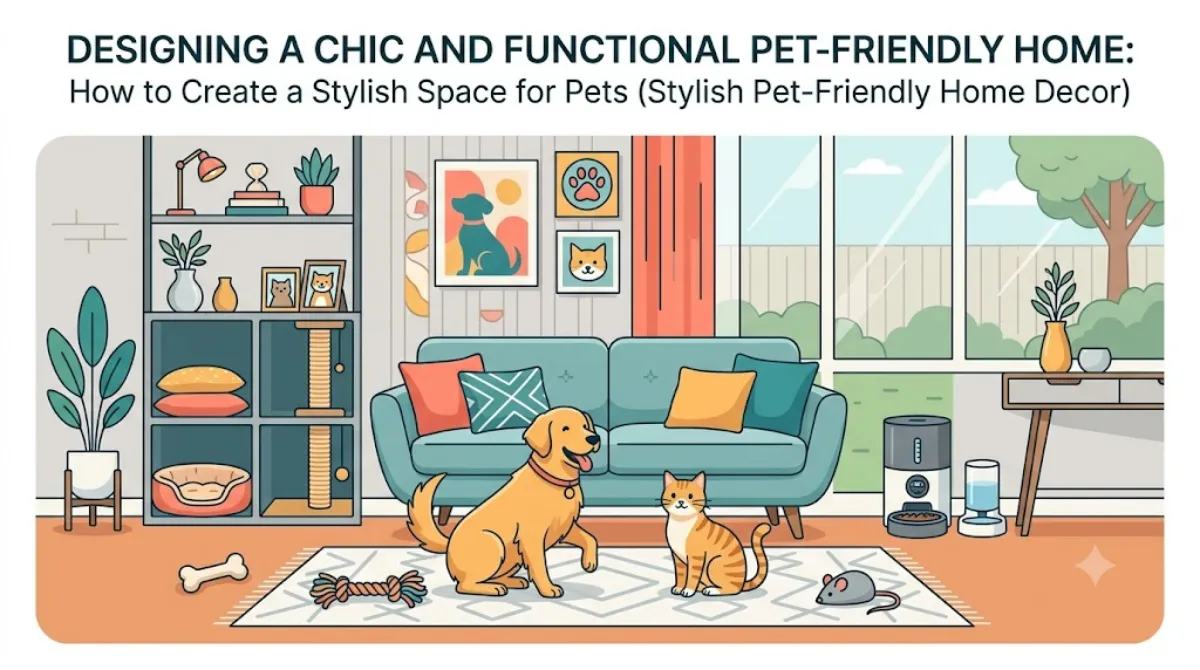
Designing a Chic and Functional Pet-Friendly Home: How to Create a Stylish Space for Pets (Stylish Pet-Friendly Home Decor)
Coordinating high-end interior aesthetics with the daily realities of animal habitation often presents a unique challenge for design enthusiasts. Achieving truly stylish pet-friendly home decor requires moving past utilitarian plastic crates and unsightly rubber mats to embrace integrated architecture and refined materials. For anyone looking to design a stylish pet space, blending human luxury with animal comfort ensures your living environment remains sophisticated without sacrificing functional durability. This comprehensive guide explores how to select resilient fabrics, construct custom built-in nooks, and curate chic accessories that elevate your home design while keeping your four-legged companions completely happy.
Finding the right match requires balancing aesthetic appeal with practical functionality. By reviewing the linguistic roots and cultural significance behind these words, you can confidently assign a moniker that honors your dog’s unique personality.
The Intersection of Interior Aesthetics and Animal Comfort
Modern interior design principles emphasize clean lines, tactile textiles, and harmonious color palettes that promote mental tranquility for human residents. However, introducing animals into a curated home introduces shedding, scratching instincts, and muddy paw prints that can compromise delicate surfaces if planning is overlooked.
Balancing Visual Elegance with Practical Durability
Creating a cohesive home environment means selecting materials that weather daily canine and feline traffic without showing premature wear. By choosing architectural finishes that resist claw punctures and liquid penetration, you eliminate the need to constantly police your pets’ movements. This proactive approach allows both humans and animals to share living spaces comfortably, maintaining an upscale ambiance throughout the property. When structuring your initial layout plans for incoming animals, reviewing foundational advice in our guide on [how to choose the right puppy] helps establish realistic spatial boundaries early.
Selecting Resilient Materials Without Sacrificing Luxury
Choosing structural finishes and upholstery requires evaluating how everyday wear impacts surface integrity, texture, and cleaning requirements. Modern textile engineering offers extraordinary options that combine high-end tactile appeal with industrial-grade resilience.
High-Performance Fabrics That Repel Fur and Stains
Traditional delicate silks, loose linens, and untreated cottons invite immediate snagging and permanent staining in pet households. Upgrading to advanced performance fabrics—such as tightly woven solution-dyed acrylics, Crypton, or commercial-grade performance velvets—provides an impenetrable barrier against moisture, claws, and pet hair. These textiles feature chemical-free molecular shields that cause liquids to bead on the surface rather than soaking into the cushion padding.
Scratch-Resistant Flooring Solutions for Active Paws
Flooring surfaces endure the heaviest daily abuse from running paws, dropped toys, and occasional digestive mishaps. Polished concrete, high-grade luxury vinyl plank, and matte-finished white oak or French oak engineered hardwoods offer exceptional scratch resistance and easy cleanup. Avoid high-gloss polyurethane finishes that highlight claw marks instantly, opting instead for wire-brushed or distressed textures that naturally camouflage minor surface impacts.
Pet Owner Note: Place washable runner rugs with heavy rubber backings across high-traffic hallways to protect hardwood finishes from rapid claw erosion while adding a sophisticated textural layer to your flooring.
Integrating Built-In Pet Zones and Custom Architecture
Instead of cluttering open-concept living rooms with oversized plastic bedding, contemporary interior designers incorporate dedicated animal zones directly into the home’s fixed joinery.
Under-Stair Nooks and Custom Cabinetry Integration
The dead space beneath a staircase offers an ideal architectural footprint for carving out a cozy, private sleeping den for a dog or cat. Framing this alcove with matching millwork, interior lighting, and a custom-fitted cushion transforms an awkward gap into an intentional design feature. Similarly, kitchen islands can be modified to house pull-out feeding drawers that conceal stainless steel bowls when mealtime concludes, keeping walkways clear.
Vertical Wall Systems and Feline Highway Design
Vertical territory is essential for feline enrichment, but traditional carpeted cat trees rarely align with minimalist or modern interior schemes. Installing floating oak shelves, sleek wall-mounted steps, and integrated perches near sunny windows creates an architectural cat highway. These minimalist climbing structures double as striking geometric art installations on neutral gallery walls. When training cats or dogs to respect new boundaries and fixtures, consult resources on [positive reinforcement dog training].
Concealing Clutter: Clever Storage Solutions for Pet Gear
Managing the endless assortment of leashes, grooming tools, treat jars, and toy collections requires strategic cabinetry design to maintain a clutter-free aesthetic.
Hidden Toy Chests and Feeding Station Drawers: Designating a specific, low-profile pull-out drawer within your mudroom or living room cabinetry ensures all chew toys and grooming brushes have a permanent home out of sight. Glass-front or closed woven-seagrass baskets placed on lower bookshelves also provide accessible storage that blends seamlessly with coastal, bohemian, or transitional decor styles. Keeping grooming supplies organized streamlines daily pet care routines.
Integrating Automated Feeders and Water Stations: Smart pet technology and automatic water fountains often feature bulky plastic cords and glowing indicator lights that disrupt minimalist styling. Concealing these devices inside custom cabinet cutouts or recessed wall niches keeps technical hardware out of view while maintaining continuous access for your pets. For overall health tracking during spatial design updates, review our guide on [puppy health and wellness].
Safety Reminder: Secure all electrical cords inside heavy-duty cord management sleeves or route them behind cabinetry to prevent curious puppies from chewing on live wires.
Textiles, Rugs, and Accents That Withstand Daily Wear
Floor coverings and decorative soft accessories face intense friction from running paws and repeated spot cleaning, making material selection paramount for long-term elegance.
Machine-Washable Rug Options and Layered Textures: Traditional wool or silk Persian rugs can be ruined instantly by a single accident or localized claw snag. The rise of luxury machine-washable flat-weave and low-pile synthetic rugs allows homeowners to achieve classic elegance without the fear of permanent damage. Layering a durable indoor-outdoor flat-weave rug beneath a vintage-style washable top layer creates a chic, designer-approved foundation that handles heavy foot and paw traffic effortlessly.
Window Treatments and Cordless Hardware Safety: Long, pooling drapery panels invite cats to climb and dogs to burrow, creating a tangled hazard that damages fabric hems. Opting for tailored Roman shades, motorized roller blinds, or clean-lined drapery hanging just above the sill prevents unwanted climbing. Always ensure that blind cords are entirely cordless or secured safely out of reach to protect curious animals from entanglement risks.
Botanical Choices and Indoor Biophilic Safety
Bringing living greenery indoors enhances air quality and architectural warmth, but many common household plants pose severe toxicity risks to domestic pets.
Selecting Non-Toxic Houseplants for Domestic Safety
Designing a modern interior means curating plant life that is both visually striking and physiologically safe for foraging cats and dogs. Replace toxic varieties like lilies, philodendrons, and pothos with pet-safe alternatives such as parlor palms, calatheas, spider plants, and Boston ferns. Hanging planters or tall plant stands also keep greenery safely elevated out of chewing range while adding sculptural height to empty room corners.
Practical Step: Review the ASPCA toxic and non-toxic plant database before purchasing new greenery to ensure your indoor botanical styling poses zero health risks to your pets.
Lighting, Acoustics, and Sensory Comfort at Home
A truly elegant pet-friendly home considers the sensory experience of its animal inhabitants, ensuring that lighting, sound, and temperature support their well-being.
Managing Natural Light and Sound Absorption: Hard surfaces like concrete, tile, and expansive glass windows create echo chambers that amplify startling outdoor noises, increasing anxiety for noise-sensitive dogs. Introducing acoustic treatments—such as upholstered acoustic panels, plush drapery, and heavy area rugs—softens ambient sound reflections. Furthermore, providing shaded resting nooks away from glaring afternoon sunbeams ensures your pets can regulate their body temperatures comfortably throughout the day. To better understand how environmental adjustments impact animal behavior, explore guidance on [understanding dog behavior].
Frequently Asked Questions
- What are the best flooring materials for homes with multiple shedding pets? Luxury vinyl plank, polished concrete, and wire-brushed white oak engineered hardwoods offer the highest resistance to scratching and trapped pet hair.
- How can I protect upholstered velvet furniture from cat scratching? Performance velvets feature a tight, dense weave that claws cannot easily snag, making them significantly more scratch-resistant than loose-weave linen or tweed.
- Are washable rugs genuinely durable enough for heavy pet traffic? Yes, modern washable synthetic rugs are engineered to withstand frequent machine laundering while resisting fading and fiber breakdown.
- Where is the best place to hide a litter box in a modern home? Concealing a litter box inside custom under-stair cabinetry, a mudroom bench with a side cutout, or a dedicated laundry room enclosure keeps spaces odor-free and chic.
- How do I stop my dog from chewing on wooden furniture legs? Apply safe, non-toxic bitter deterrent sprays to wooden surfaces and provide plenty of approved chew toys to redirect their natural teething instincts.
- Can I use wallpaper in a home with cats that love vertical scratching? If you have cats, avoid delicate paper wallpapers in favor of heavy-duty vinyl or scrubbable performance wallcoverings that resist claw punctures.
Conclusion
Designing a refined living environment that accommodates animal companions without compromising visual sophistication is entirely achievable with intentional planning. By implementing stylish pet-friendly home decor principles—such as performance fabrics, scratch-resistant flooring, and custom architectural nooks—you elevate your interior styling while honoring your pets’ needs. Embracing smart storage solutions and non-toxic botanicals ensures your space remains serene, organized, and welcoming. Take the next practical step today by auditing one room in your home and identifying areas where custom pet integration can enhance both beauty and function.