
The Bordetella vaccine is a vital tool in maintaining the health of dogs and puppies, especially those exposed to social environments where infections can spread rapidly. Kennel cough, medically referred to as canine infectious tracheobronchitis, is a common respiratory illness that is highly contagious and can occasionally progress to pneumonia. Administering the Bordetella vaccine offers effective vaccine protection, safeguarding your pup and supporting overall pet health.
This article will guide pet owners through everything they need to know about Bordetella, including its causes, vaccination schedule, side effects, and frequently asked questions.
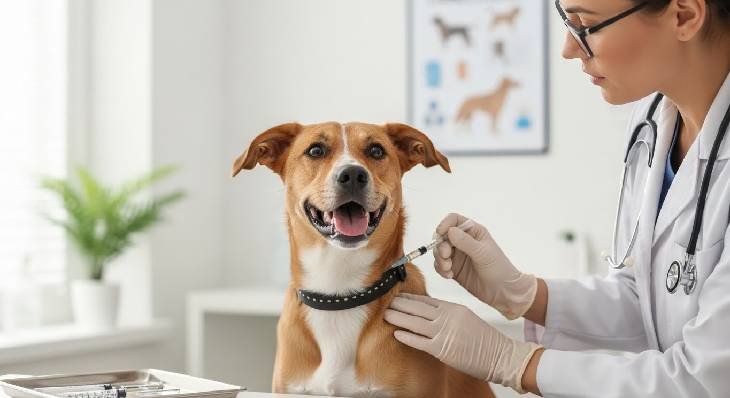
What Is Kennel Cough?
Kennel cough definition: Kennel cough is a respiratory infection in dogs caused by a combination of viruses and bacteria. It primarily affects the upper respiratory tract, including the trachea and bronchi, causing inflammation that leads to persistent coughing.
Symptoms / Signs
- Persistent honking cough
- Nasal discharge
- Reduced appetite
- Mild lethargy
Transmission / Contagiousness
Kennel cough spreads easily through dog-to-dog interactions, making it highly contagious. Dogs can contract the infection through respiratory droplets released when an infected dog sneezes, barks, or coughs.
Common Exposure Locations
- Boarding facilities
- Shelters
- Doggy daycare
- Training facilities
- Dog parks
Tracheobronchitis term explanation: The medical term for kennel cough, canine infectious tracheobronchitis, describes the location of the infection in the trachea and bronchial tubes. In humans, it can be compared to a mild cold, though it is much more uncomfortable for dogs.
What Is Bordetella?
Bordetella bronchiseptica is a bacterium and the primary cause of kennel cough in dogs. This microorganism leads to infectious tracheobronchitis, a serious respiratory disease in dogs. Understanding Bordetella helps pet owners appreciate the importance of vaccination in preventing the spread of this highly contagious illness.
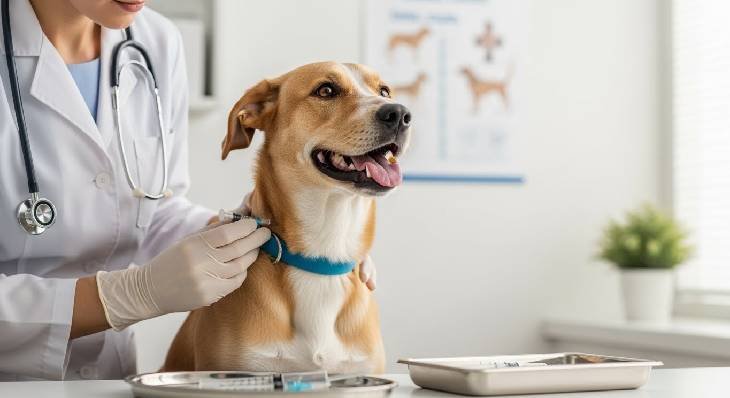
What Is the Bordetella Vaccine for Dogs?
Bordetella Vaccine Purpose
The Bordetella vaccine, also called the kennel cough vaccine, is designed to protect dogs from Bordetella bronchiseptica infections.
Administration Routes
There are two main ways the vaccine is administered:
| Route | Description | Notes |
|---|---|---|
| Injection / subcutaneous | Vaccine delivered beneath the skin | Often requires two doses for puppies |
| Intranasal / nose drops | Vaccine administered directly into the nose | Stimulates local immunity in the nose, throat, and windpipe |
Injectable vs intranasal considerations: Veterinarians may choose between methods based on dog age, health status, and ease of administration. The intranasal version is often preferred for its ability to quickly establish local immunity, but injections remain a safe alternative.
Vaccine Safety
The Bordetella vaccine is generally safe, well-tolerated, and widely recommended by veterinary professionals. Minor side effects can occur, but severe reactions are rare.
Does My Dog Need the Bordetella Vaccine?

Vaccination Importance
Vaccinating your dog is the most effective way to prevent illnesses related to canine infectious tracheobronchitis.
Risk Factors / Exposure
Dogs are at higher risk if they frequent:
- Kennels
- Groomers
- Dog parks
- Dog sporting events
- Training classes
Even dogs with low exposure may benefit from vaccination due to the high transmission risk of Bordetella.
All Dogs vs High-Risk Dogs
While some veterinarians recommend the vaccine only for dogs in high-risk environments, many advise it for all dogs due to the ease of transmission and the vaccine’s safety profile.
Immunocompromised Dogs Exception
Dogs with weakened immune systems may not respond effectively to the vaccine and should be assessed by a veterinarian before administration.
Bordetella Vaccination Schedule
Vaccine Frequency / Schedule
Although legally not required, the Bordetella vaccine is often recommended for boarding, veterinary, and daycare facilities.
| Vaccine Type | Age / Dosage | Frequency |
|---|---|---|
| Intranasal | Puppies & adults | Annually (or every 6 months in high-risk settings) |
| Injectable | Puppies >16 weeks | Two doses, 2–4 weeks apart |
| Puppies <16 weeks | Booster following month | As per veterinarian guidance |
Partial immunity develops roughly 10–14 days after vaccination, so dogs may still be vulnerable during this period. Veterinarians will guide risk-based scheduling to ensure maximum protection.
Bordetella Vaccine Side Effects
Immune System Requirement
For the vaccine to work effectively, the dog’s immune system must be functioning properly. Dogs already fighting an illness may respond poorly.
Mild Post-Vaccination Reactions
- Facial swelling
- Temporary low-grade fever (~24 hours)
- Behavior changes
- Loss of appetite / energy
Medications may be given prior to vaccination in dogs with a history of mild reactions.
Safety Profile
The vaccine is generally safe, with chronic kennel cough potential being rare. It is widely recommended for at-risk dogs and helps prevent prolonged illness in susceptible pets.
Frequently Asked Questions (FAQ)
Is a Bordetella vaccine necessary?
- High-risk environments such as kennels or doggy daycares may make vaccination essential.
- Many veterinarians advise vaccinating all dogs to reduce the risk of infection.
How long do Bordetella shots last?
Intranasal: Typically annually, though high-risk environments may require every 6 months.
Can you buy Bordetella vaccine over the counter?
- Available at farm or tractor supply stores, but efficacy may be limited.
- Storage must remain around 35°F to maintain potency.
- Veterinary purchase preferred for effectiveness and safety.
Is Bordetella zoonotic?
- Rarely transmitted to humans, mostly in immunosuppressed individuals.
- Generally low concern for healthy people.
How does Bordetella Pertussis reproduce?
- In humans, whooping cough is caused by Bordetella Pertussis.
- In dogs, Bordetella bronchiseptica spreads via airborne droplets.
- The bacteria propagate in the respiratory tract until eliminated by the immune system.
Can cats get the Bordetella vaccine?
- Less common than in dogs.
- Vaccination may be recommended in high-volume catteries or shelters.
Summary Table: Key Bordetella Vaccine Points
| Topic | Key Points |
|---|---|
| Disease | Kennel cough (canine infectious tracheobronchitis) |
| Cause | Bordetella bronchiseptica bacterium |
| Symptoms | Honking cough, nasal discharge, reduced appetite, lethargy |
| Transmission | Highly contagious, dog-to-dog spread, airborne droplets |
| Vaccine | Injectable or intranasal; safe, effective |
| Schedule | Intranasal: annually; Injectable: 2 doses for puppies >16 weeks |
| Side Effects | Mild fever, lethargy, temporary appetite loss |
| High-Risk Dogs | Kennels, dog parks, grooming, training events |
| Cats | Less common, vaccinate in shelters or catteries |
Conclusion
The Bordetella vaccine is a critical preventive measure for dog owners who want to protect their pets from kennel cough and canine infectious tracheobronchitis. It is safe, widely recommended, and helps maintain overall pet health. Understanding the vaccine schedule, administration routes, and potential side effects ensures your dog remains healthy, happy, and protected against this highly contagious respiratory disease.
Vaccination, combined with proper hygiene and careful monitoring of your dog’s interactions, can significantly reduce the risk of infection, making social activities like daycare, training, and dog parks safer for your furry friend.