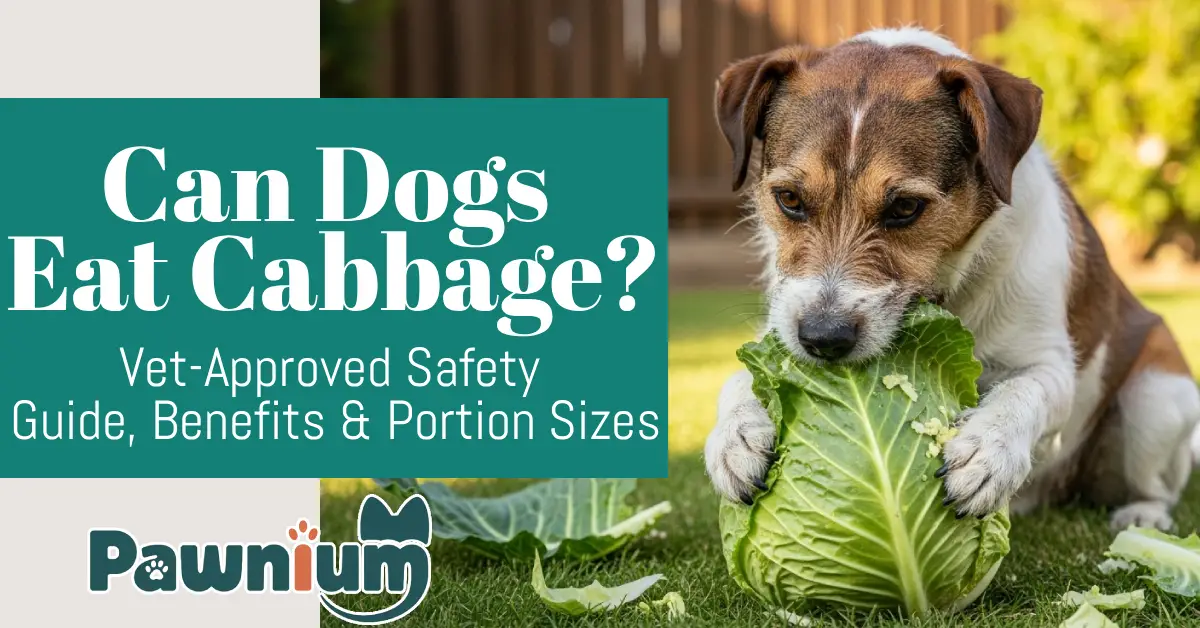
Can Dogs Eat Cabbage? Vet-Approved Safety Guide, Benefits & Portion Sizes
Cabbage is widely recognized as a nutrient-dense vegetable for humans — but many pet owners ask the same important question:
Can dogs eat cabbage safely?
The short answer is yes. Dogs can eat cabbage in moderation. When prepared properly and fed in appropriate amounts, cabbage can be a low-calorie, fiber-rich addition to your dog’s diet.
However, like all supplemental foods, it must be introduced carefully. Overfeeding cabbage may cause digestive upset, gas, or loose stools, and certain medical conditions require additional caution.
As veterinary professionals, we recommend understanding both the benefits and potential risks before offering cabbage to your dog. This guide covers everything you need to know.
Is Cabbage Safe for Dogs?
Yes, cabbage is generally safe for healthy dogs when served plain and in moderation.
Cabbage belongs to the cruciferous vegetable family, along with:
- Broccoli
- Brussels sprouts
- Kale
- Cauliflower
These vegetables contain beneficial phytonutrients, antioxidants, and fiber. However, they also contain compounds called goitrogens, which can interfere with thyroid function if fed excessively over long periods. For most dogs, occasional cabbage treats pose no concern. Problems typically arise only with chronic overfeeding.
Nutritional Benefits of Cabbage for Dogs
When served appropriately, cabbage can provide several nutritional advantages.
1. Low in Calories
Cabbage is very low in calories, making it useful for dogs on weight-management plans, overweight or obese dogs, and dogs that need low-calorie treat alternatives. Replacing high-calorie treats with small portions of vegetables can help support healthy weight control.
2. High in Fiber
Cabbage contains dietary fiber, which supports digestive health, helps regulate bowel movements, and promotes satiety. However, excessive fiber can cause bloating or loose stool, which is why portion control matters.
3. Rich in Antioxidants
Cabbage contains antioxidants such as Vitamin C, Vitamin K, Beta-carotene, and Anthocyanins (especially in red cabbage). Antioxidants help neutralize free radicals and support cellular health. While cabbage should not be considered a medical treatment, its antioxidant content contributes to overall wellness.
4. Supports Skin and Coat Health
The vitamins and phytonutrients in cabbage may support healthy skin barrier function, coat quality, and immune system regulation. Again, these benefits are supportive — not curative.
Can Dogs Eat Raw Cabbage?
Yes, dogs can eat raw cabbage in small amounts. Raw cabbage offers a crunchy texture, intact nutrient profile, and natural enrichment. However, raw cabbage contains higher levels of goitrogenic compounds, including thiocyanates. In very large and prolonged amounts, these compounds may interfere with iodine uptake and thyroid hormone production. For healthy dogs receiving small portions occasionally, this is not a practical concern. But cooking reduces these compounds further.
Can Dogs Eat Cooked Cabbage?
Lightly cooked cabbage is often easier to digest. The best preparation methods include steaming or boiling (plain, no additives). Cooking helps soften the fiber, reduce goitrogenic compounds, and improve digestibility. Avoid sautéing cabbage in oils, butter, garlic, onions, or seasonings. Ingredients such as onions and garlic are toxic to dogs.
Can Dogs Eat Red Cabbage?
Yes, red cabbage is safe for dogs in moderation. Red cabbage contains anthocyanins — powerful antioxidants responsible for its deep purple color. These compounds have been studied for their role in supporting cellular health and reducing oxidative stress. From a veterinary perspective, red cabbage is nutritionally comparable — and sometimes slightly superior — to green cabbage due to its antioxidant concentration. Serve it chopped into small, manageable pieces to reduce choking risk.
How Much Cabbage Can Dogs Eat?
Portion size is critical. Vegetables should make up no more than 10% of your dog’s total daily caloric intake.
Here are general portion guidelines:
- Small dogs (under 20 lbs): 1–2 teaspoons
- Medium dogs (20–50 lbs): 1–2 tablespoons
- Large dogs (50+ lbs): up to ¼ cup occasionally
Introduce slowly and monitor for digestive changes. If your dog experiences excessive gas, diarrhea, vomiting, or abdominal discomfort, discontinue and consult your veterinarian.
Can Dogs Eat Cabbage Every Day?
While cabbage is healthy, it should not be a daily staple. Because cabbage contains raffinose (a complex sugar), gut bacteria ferment it during digestion, which produces gas. Feeding cabbage daily may lead to flatulence, bloating, or loose stools. For most dogs, offering cabbage 2–3 times per week as a topper or treat is more appropriate than daily feeding.
Can Puppies Eat Cabbage?
Puppies can eat small amounts of cabbage once they are fully weaned and eating solid food. However, puppies have more sensitive digestive systems. Introduce very small portions, cooked rather than raw, and one new food at a time. If your puppy has a history of digestive sensitivity, consult your veterinarian before introducing vegetables.
Dogs with Thyroid Conditions: Should They Avoid Cabbage?
Dogs diagnosed with hypothyroidism should avoid excessive intake of goitrogenic vegetables, including cabbage. While small occasional amounts are unlikely to cause harm, dogs with thyroid disease should not consume cabbage frequently or in large quantities. Always consult your veterinarian if your dog has hypothyroidism, autoimmune disorders, or chronic gastrointestinal conditions.
Can Dogs Eat Cabbage Soup?
Most human cabbage soups are unsafe for dogs. They commonly contain onions, garlic, leeks, high sodium levels, and seasonings. All of these can be harmful. If preparing cabbage for your dog, use plain water only and avoid additives. However, whole chopped cabbage is typically more nutritious than broth.
Can Dogs Eat Cabbage and Carrots Together?
Yes, cabbage and carrots can be served together. Carrots provide beta-carotene (Vitamin A precursor), natural sweetness, and crunch. Combined with cabbage’s fiber and antioxidants, this creates a low-calorie vegetable mix suitable for occasional use. As always, introduce gradually and maintain portion control.
Potential Side Effects of Cabbage in Dogs
While safe in moderation, cabbage may cause gas, bloating, loose stools, or mild abdominal discomfort. These side effects are dose-dependent. If symptoms are persistent or severe, seek veterinary guidance. Dogs with a history of pancreatitis, chronic colitis, or food sensitivities should be introduced cautiously.
Veterinary Recommendations for Introducing Cabbage
If you decide to add cabbage to your dog’s diet:
- Start with a very small portion.
- Offer it plain and chopped.
- Observe for 24 hours.
- Gradually increase only if tolerated.
- Keep vegetables under 10% of total intake.
Balanced commercial dog food should remain the primary source of nutrition.
Frequently Asked Questions (FAQ)
Can dogs eat cabbage safely?
Yes, dogs can eat cabbage safely in small, moderate amounts when served plain and properly prepared.
Is raw or cooked cabbage better for dogs?
Lightly cooked cabbage is generally easier to digest and may reduce gas production compared to raw cabbage.
Can cabbage cause thyroid problems in dogs?
Only if fed in excessive, long-term amounts. Small, occasional portions are unlikely to affect thyroid function in healthy dogs.
How often can I feed cabbage to my dog?
2–3 times per week in small portions is typically appropriate.
What vegetables are safest for dogs?
Common safe vegetables include carrots, green beans, zucchini, cucumber, and spinach (in moderation). Always introduce new foods gradually.
Final Veterinary Perspective
Cabbage can be a healthy, low-calorie treat for most dogs when fed responsibly. It provides fiber, antioxidants, and nutritional variety — but it is not a replacement for balanced dog food. The key principles are simple: keep portions small, prepare it plain, introduce gradually, and monitor for digestive changes. If your dog has underlying health conditions, consult your veterinarian before introducing any new food. When used appropriately, cabbage can be a safe and nutritious addition to your dog’s diet.