

Can dogs eat apples? This is a common question among pet parents who want to share healthy foods with their furry companions. The good news is that dogs can eat apples, and when prepared correctly, apples for dogs can be a nutritious and enjoyable treat.
Apples are widely available, affordable, and packed with beneficial nutrients. As part of a healthy diet for dogs, apples can be used as dog snacks, training rewards, or food toppers. However, like many people foods, apples come with both benefits and risks. Understanding which apple varieties are safe, how much to serve, and how to prepare them properly is essential for keeping dogs safe and healthy.
In this guide, we’ll cover everything you need to know about dogs and apples, including nutritional benefits, potential risks, safe serving sizes, and preparation tips. We’ll also explore other safe fruits for dogs and answer common FAQs.
Apple Varieties Safe for Dogs
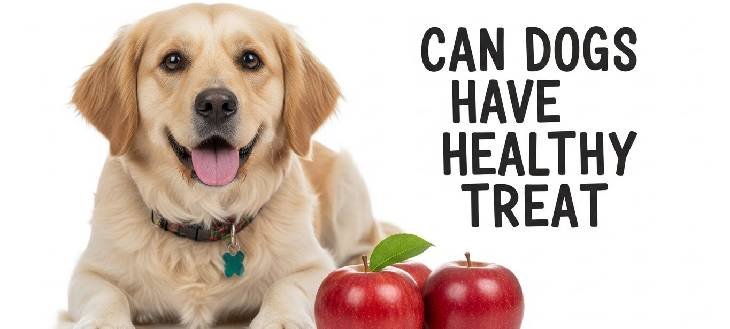
Most apples found at your local grocery store are safe for dogs as long as they are properly prepared apples. The following apple varieties are commonly fed to dogs:
- Red Delicious apples
- Honeycrisp apples
- Gala apples
- Granny Smith apples
These grocery store apples are all acceptable options for dogs. Some dogs prefer sweeter apples like Honeycrisp or Gala, while others may tolerate tart apples such as Granny Smith.
Important: Regardless of the variety, apples should always be washed, cored, and sliced before feeding.
Key Takeaways
- Apples are safe for dogs when served properly
- They make a healthy snack for dogs
- Always feed apples in moderation
- Apples provide vitamins and fiber
- They are excellent low-calorie dog treats
- Follow proper portion control
- Treats should not exceed 10% of daily calories
- Apple cores pose a choking hazard
- Overfeeding may cause digestive upset
- There is a real apple core risk if not removed
Can Dogs Have Apples?
Yes, dogs can eat apples, and many dogs enjoy the sweet, crunchy treat. Apples are refreshing and satisfying, especially for dogs who enjoy fruits.
Apple Preparation for Dogs
Before feeding apples, follow these essential steps:
- Remove the core
- Remove the seeds
- Remove the stem
Apple seeds contain trace amounts of cyanide. While a few seeds are unlikely to cause harm, cyanide in apple seeds can become dangerous in large quantities. The core and stem also present choking hazards.
Best Apples to Serve
- Fresh apple slices
- Plain apples with no additives
What to Avoid
- Added sugar
- Spices (like cinnamon or nutmeg)
- Artificial sweeteners (especially xylitol)
You can also choose apple-based dog treats that are specifically formulated for pets.
Store-Bought Apple Dog Treats (Mentioned)
If your dog doesn’t enjoy raw apples, consider dog treats with apples that are vet reviewed dog treats, such as:
- Nutro Crunchy with Real Apple Dog Treats
- Fruitables Crispy Bacon & Apple Flavor Dog Treats
These treats combine apples with dog-safe ingredients and controlled portion sizes.
Are Apples Good for Dogs?
Yes, apples are good for dogs when fed in moderation. They should never replace a complete meal but work well as healthy dog snacks or training treats.
Nutritional Benefits of Apples for Dogs
- Vitamin C: Supports immune health
- Carbohydrates: Provide quick energy
- Natural sugars: Offer a mild energy boost
- Fiber: Aids digestion support and bowel movements
- Blood sugar regulation: Fiber may help stabilize glucose levels
- Low calorie treats: Ideal for weight management
- Low fat foods: Suitable for dogs needing lighter snacks
While dogs don’t require vitamin C supplementation, apples can contribute beneficial nutrients in a natural way.
Are Apples Bad for Dogs?
Apples are not inherently bad, but there are risks of apples for dogs if fed improperly or in excess.
Potential Risks
- Apple seeds cyanide: Toxic compounds in large quantities
- Choking hazard: Especially from apple cores
- Sugar content: Too much can lead to weight gain
- Upset stomach: Overfeeding may cause discomfort
- Diabetes risk: Excess sugar is harmful for diabetic dogs
- Diarrhea: Common if introduced too quickly
By following portion guidelines and preparation rules, these risks can be minimized.
How Many Apples Can a Dog Eat?
Understanding apple portion size for dogs is critical. Apples should follow the 10% treat rule, meaning all treats combined should not exceed 10% of your dog’s daily calories.
The remaining 90% should come from a balanced dog diet and well-balanced dog food.
Portion Size by Dog Weight
| Dog Size | Weight Range | Daily Serving Size | Approximate Apple Pieces |
|---|---|---|---|
| Extra-small dogs | 2–10 lbs | Very small amount | 1–2 pieces |
| Small dogs | 11–20 lbs | Small serving | 2–3 pieces |
| Medium dogs | 21–50 lbs | Moderate serving | 3–4 pieces |
| Large dogs | 51–90 lbs | Larger serving | 4–5 pieces |
| Extra-large dogs | 91+ lbs | Maximum serving | 5–6 pieces |
A standard apple piece is about 1 inch wide and ¼ inch thick.
First-Time Feeding Guidance
- Introduce apples slowly
- Start with one or two pieces
- Watch for reactions such as diarrhea or upset stomach
- Gradually increase the amount if tolerated
If you have concerns or your dog has health conditions, always consult your veterinarian.
How To Safely Feed Apples to Dogs
Proper apple preparation ensures safety and digestibility.
Preparation Steps
- Wash apples thoroughly
- Remove pesticides and residue
- Remove core, seeds, and stem
- Peel apples if your dog has a sensitive stomach
- Cut into bite-size pieces for choking prevention
Ways to Serve Apples
- Plain snack: Fresh apple slices
- Food topper: Chopped or blended apples
- Dog food mix-ins: Small amounts mixed with meals
- Frozen treats: Perfect for warm weather
- KONG toy: Stuff blended apples into a KONG toy
Apples also pair well with other dog-safe fruits.
Apple Treat Recipes & Tools
Dog-Safe Add-Ins
- Bananas
- Blueberries
- Strawberries
Treat Ideas
- Frozen dog treats: Blend apples with fruit and freeze
- Fruit yogurt: Use plain yogurt or xylitol-free yogurt
- Important: Xylitol is toxic to dogs and must be avoided
- Lick mat treats: Spread apple blends on a lick mat
- Dehydrated apples: Made with a home dehydrator
Warning: Dehydrated apples contain concentrated sugar, so feed sparingly. Avoid store-bought dried fruit with preservatives.
Mentioned Products
- KONG Classic Dog Toy
- Frisco Silicone Lick Mat
These tools help turn apples into safe enrichment activities.
What Other Fruits Can Dogs Eat?
Apples aren’t the only dog-friendly fruits. Many fruits safe for dogs can be served as healthy fruit treats.
Safe Fruits List
- Bananas
- Blueberries
- Cranberries
- Mango
- Peaches
- Raspberries
- Strawberries
- Watermelon
Always remove pits, seeds, and rinds where applicable.
Fruity Dog Treat Alternatives
- Polkadog Wonder Nuggets (turkey and cranberry dog treats)
- Fruitables pumpkin & blueberry treats
- Shameless Pets blueberry & mint treats
- Lord Jameson watermelon dog treats
Can Dogs Eat Apples FAQs
Can dogs eat green apples?
Yes, dogs eat green apples safely, but they are more tart. Some dogs may not enjoy tart apples.
Can dogs eat apple cores?
No. Apple cores for dogs are unsafe due to choking risk and poor digestion.
Is apple skin safe for dogs?
Yes. Apple skin safety is generally good, and it adds fiber. However, peeling may help dogs with sensitive digestion.
Can dogs eat applesauce?
Yes, applesauce for dogs is safe if it’s plain and unsweetened. Avoid artificial sweeteners.
Are apple seeds dangerous?
Yes. Apple seeds contain cyanide. While small amounts rarely cause harm, large quantities can lead to cyanide poisoning.
Are apples toxic foods for dogs?
No, apples are not toxic foods for dogs when properly prepared and fed in moderation.
Final Thoughts
Apples can be a nutritious, enjoyable addition to your dog’s treat rotation. When served correctly, they support digestion, provide vitamins, and offer a low-calorie alternative to processed snacks. Always prioritize preparation, moderation, and your veterinarian’s advice to keep your dog happy and healthy.